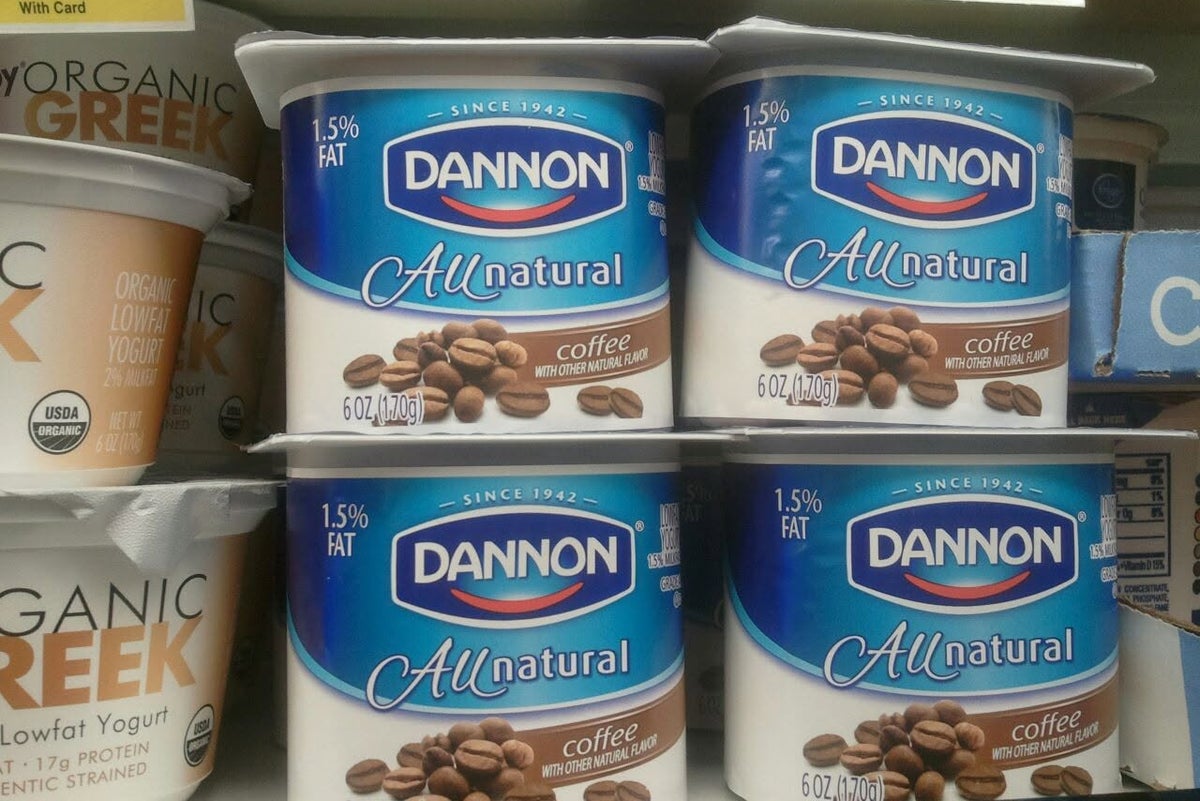
When Dannon quietly pulled its iconic coffee yogurt—affectionately known to a fiercely loyal constituency as DCY—from supermarket dairy aisles, the corporate explanation followed a well-worn script. Executives pointed to portfolio rationalization, shifting consumer preferences, and the sacred metrics of supply chain optimization. But for people like Doron Zeif, who ate the caffeine-laced dairy product every single morning for four decades, corporate spreadsheet logic translated into personal loss. "It's what I got out of bed for," Zeif told reporters, capturing the raw indignation of a consumer base discarded by an industry obsessed with scale.
The immediate public outcry, spanning dedicated Facebook preservation groups, viral Reddit withdrawal threads, and urgent Change.org petitions, highlights a widening chasm between how food conglomerates evaluate product lines and how humans actually experience eating. Behind every discontinued legacy item lies a cold operational calculation driven by margin pressures, manufacturing bottlenecks, and a relentless industry-wide stampede toward high-protein trends.
The Math Behind the Massacre
To understand why a product with a four-decade run and a devoted following can vanish overnight, you have to look past the grocery shelf and into the production facility. Modern food manufacturing operates on maximum line efficiency. Every minute a production vat spends churning out a niche flavor like coffee yogurt is a minute it is not producing massive volumes of baseline vanilla, plain Greek yogurt, or trendy high-protein shakes designed to capture the booming weight-loss drug demographic.
Food giants face unprecedented input costs, labor shortages, and capacity constraints. When conglomerates evaluate a SKU (Stock Keeping Unit), they do not measure success by whether a product has fans. They measure it by velocity, slotting fees, and margin per square foot of refrigerated distribution space. If a legacy item occupies valuable factory real estate but fails to scale exponentially year-over-year, it is marked for termination.
This dynamic creates an assembly-line monoculture. Corporations would rather manufacture millions of identical units of a high-margin product than maintain the operational complexity required to service smaller, passionate sub-markets.
The Protein Gold Rush and Collateral Damage
Dannon’s decision to phase out specialty flavors did not happen in a vacuum. The broader dairy market has been upended by a massive cultural and physiological pivot toward protein. Driven by fitness culture and the explosive rise of GLP-1 weight-loss medications, consumer demand for high-protein, low-sugar dairy has completely overwhelmed existing manufacturing infrastructure.
Executives have openly admitted that production lines are stretched to their absolute limits. To keep pace with the insatiable market appetite for high-protein Oikos lines and specialized shakes, companies are forced to make brutal trade-offs. Specialty items with modest, steady followings become the immediate casualties of this protein gold rush.
The casualty list extends far beyond breakfast items. Across the grocery sector, legacy brands are streamlining portfolios to free up plant capacity. Beloved regional flavors, classic packaging sizes, and quirky formulations are being sacrificed on the altar of operational efficiency.
The Emotional Cost of Efficiency
Corporate balance sheets do not have a column for emotional equity. Yet, that equity is precisely what builds long-term brand loyalty. When a company abruptly cancels a product that has anchored a customer's morning routine for decades, it breaks an unspoken contract of trust.
Consumers do not view grocery brands as interchangeable commodities. They weave specific tastes and textures into the fabric of their daily lives. Treating a forty-year product lineage as a mere line item to be optimized away ignores the psychological comfort rituals embedded in grocery shopping.
The backlash against Dannon is not merely about a missing flavor profile; it is a pushback against the homogenization of the grocery store. As conglomerates trim the fat to maximize quarterly returns, they are systematically erasing the eccentricities and historical depth that made supermarket aisles interesting in the first place.
The digital organization of displaced fans into online support groups and DIY recipe forums proves that demand for these products does not simply evaporate. Instead, it turns into resentment.
Efficiency may win the quarter, but alienating the people who built your brand leaves a long-term scar. Every time a legacy staple disappears to satisfy a corporate margin target, the grocery aisle becomes a little bit colder, a little more uniform, and a lot less human.