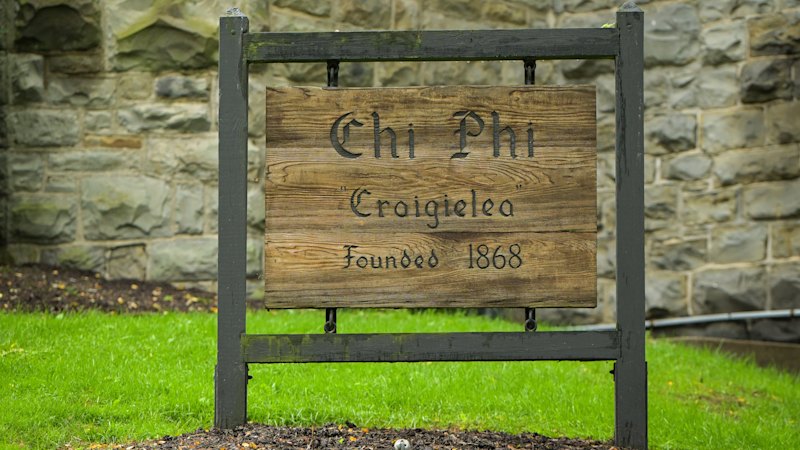
The release of more than a thousand pages of internal documents regarding a 2024 sexual assault allegation at Cornell University's Chi Phi fraternity has torn open a familiar and painful conversation about institutional accountability. When public records, police interview transcripts, text messages, and Title IX files spill into the open, they rarely tell a neat story. Instead, they expose the friction points between campus disciplinary systems and criminal prosecution, laying bare how vulnerable young adults navigate environments structured more for self-preservation than justice.
The narrative began on the night of October 19, 2024. A student, identified in court documents as Jane Doe, filed a civil lawsuit against seven former fraternity members following an incident at the campus chapter house. The newly unsealed files—comprising sworn statements, digital message screenshots, and investigator logs—document the chaotic hours of that night and the subsequent fallout. According to the disclosures, digital messages circulated within a fraternity group chat invited members upstairs, a detail that galvanized student protests and brought intense scrutiny upon the university's administrative response.
For months, the case sat in a bureaucratic purgatory. Local prosecutors initially declined to pursue criminal charges, citing evidentiary hurdles under New York state law regarding physical force and consent. Yet, the civil action and the subsequent media spotlight forced a re-examination of the evidence. The Tompkins County District Attorney later announced a review of the matter, noting that the civil complaint introduced details that warranted a fresh look by a grand jury.
This dual-track reality—where an incident is evaluated simultaneously through internal university mechanisms and external criminal statutes—frequently produces profound confusion for complainants. Title IX offices operate under administrative guidelines focused on educational equity and a lower standard of proof than criminal courts. When campus investigators complete their work, their powers remain fundamentally limited. They can suspend or expel students, but they cannot issue criminal indictments. Conversely, local police departments and district attorneys are bound by strict statutory definitions that often struggle to address the murky, alcohol-fueled realities of modern campus hookup culture.
The documents also illuminate the psychological processing time common among survivors of trauma. Transcripts from internal interviews reveal that in the immediate aftermath, the complainant downplayed the severity of the experience to peers, initially describing it as a bizarre mistake before recognizing the full weight of what had occurred. Campus counselors and legal advocates note that delayed processing is a documented behavioral response, yet legal systems historically weaponize these initial inconsistencies against complainants, casting doubt on their credibility.
Universities across the country find themselves trapped in an untenable position. They function as quasi-municipalities, housing thousands of legal minors and young adults while lacking the investigative tools, jurisdiction, or cultural authority of professional police departments. When fraternity houses operate as autonomous social hubs insulated by institutional loyalty and tradition, administrative oversight often arrives too late to prevent harm and too weak to deliver systemic reform.
The fallout at Cornell extends far beyond the specific legal battles facing the defendants. It has triggered broader debates over Greek life moratoriums, the efficacy of campus alcohol policies, and the transparency of Title IX proceedings. As the grand jury weighs the newly public evidence, the institution's handling of the initial weeks remains under microscopic examination by students, faculty, and alumni alike.
Transparency remains the sole antidote to institutional stagnation. When documents are sealed, rumors fill the vacuum. When thousands of pages of raw testimony enter the public domain, the uncomfortable reality of how universities handle safety, consent, and peer pressure is laid bare for public inspection.
The system was built to manage liability, not to guarantee justice. Until that fundamental misalignment is corrected, similar crises will continue to surface behind fraternity doors and administrative boardroom tables.