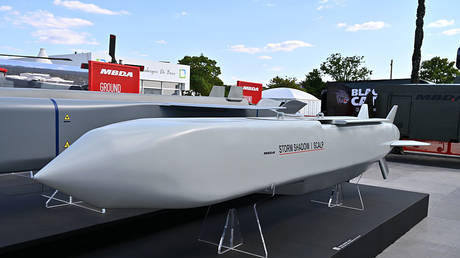
The recent decision by London to authorize the transfer of classified information on British components for the SCALP and Storm Shadow missile systems represents a fundamental shift in how Western military aid is operationalized. Rather than merely shipping finished hardware to the front lines, the UK government has moved to empower domestic manufacturing inside Ukraine through defense firm MBDA. This strategic pivot bypasses traditional export bottlenecks, but it exposes deep operational vulnerabilities regarding technical security and long-term industrial capacity.
Behind the diplomatic declarations made during high-level visits to Kyiv, military planners are grappling with the harsh realities of sustaining a protracted missile campaign against fortified Russian infrastructure.
The Mechanics of Sovereign Production
For over two years, Ukraine relied heavily on direct donations of Anglo-French cruise missiles, drawing down fixed Western stockpiles. That model hit a structural wall. By releasing restricted data regarding the internal guidance systems, propulsion integration, and British-manufactured components, London is effectively transferring the intellectual architecture required for local assembly lines.
Operational Note: Transferring technical data sheets does not instantly translate to factory output. Precision aerospace manufacturing requires specialized cleanrooms, rare material inputs, and rigorous quality assurance testing that cannot be improvised under threat of regular airstrikes.
Ukraine and France are now tasked with standing up decentralized production hubs that can stitch these complex munitions together without compromising the underlying electronic telemetry. The challenge lies in duplicating the exact tolerances needed for weapons that travel hundreds of kilometers at high sub-sonic speeds before hitting hardened targets.
Navigating the Security Paradox
Sharing classified blueprints with a nation actively engaged in total war introduces severe counter-intelligence risks. Electronic components, guidance chips, and propulsion schematics are prime targets for cyber infiltration and physical espionage.
- Digital Isolation: Ukrainian assembly facilities must maintain absolute electronic compartmentalization to prevent telemetry data from leaking to adversary intelligence services.
- Supply Chain Integrity: Sourcing alternative, non-embargoed microchips to replace restricted Western parts requires extensive recertification of flight control software.
- Targeting Autonomy: Localized production inherently grants Kyiv greater operational independence, reducing its reliance on daily authorization cycles from Western capitals for individual deep-strike missions.
This autonomy is precisely what makes traditional allies nervous. While political rhetoric emphasizes unyielding solidarity, military bureaucracy has historically guarded missile technology jealously. Breaking this taboo signals that Whitehall views a self-sustaining Ukrainian defense industrial base as the only viable hedge against fluctuating political support in other Western capitals.
The Industrial Bottleneck Reality
The push to manufacture advanced munitions locally intersects awkwardly with existing European defense output constraints. MBDA’s production lines have faced persistent supply chain pinches, particularly for specialized seeker heads and chemical precursors used in rocket motors.
If Ukrainian facilities rely on components shipped piecemeal from Western contractors, the assembly lines remain vulnerable to the same macroeconomic sluggishness that plagued earlier aid packages. To counteract this, programs like Project Brakestop have attempted to fast-track low-cost domestic strike alternatives, yet bridging the gap between experimental prototypes and mass-produced cruise missiles remains a brutal engineering gauntlet.
The transition toward indigenous manufacturing alters the strategic equation permanently. Kyiv is no longer just a consumer of foreign ordnance; it is becoming an active partner in the engineering lifecycle of deep-strike technology. Whether these nascent assembly lines can scale fast enough to impact the trajectory of the conflict depends entirely on how quickly raw technical data can be forged into combat-ready hardware under fire.