Paper is surprisingly heavy when your entire life depends on it.
Ask anyone standing outside a government office in the grey dawn air, waiting for a clerk to unlock a heavy glass door. They carry folders pressed tight against their chests like shields—birth certificates yellowed at the folds, electricity bills bearing names of grandfathers long gone, ration cards smeared with the ink of decades past. In a democracy, paper is supposed to be the quiet proof of existence. It is the silent contract between a citizen and the state, an agreement that says: You are here. You count. You belong.
Except when the ink begins to shift.
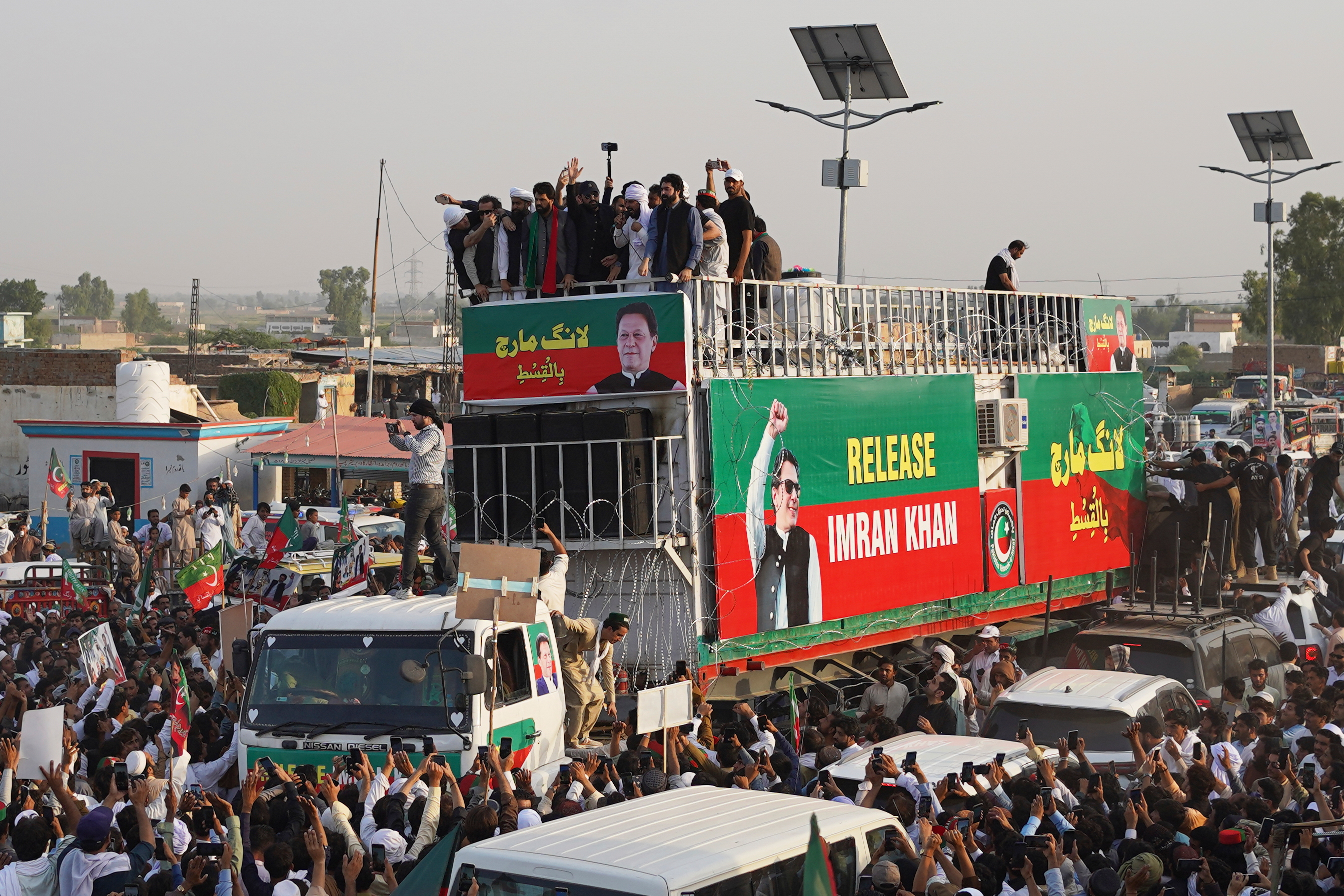
Across parts of India, the air has grown sharp with a familiar, anxious electricity. Sirens echo down narrow thoroughfares where storefronts remain shuttered behind iron rolling gates. Police barricades, skeletal and cold in the morning light, divide streets into zones of permission and prohibition. Demonstrators push against those metal frames, their voices rising in unison—a chorus of frustration, anger, and profound unease.
At the heart of this unrest lies a bureaucratic mechanism that sounds dry enough to put a room to sleep: the voter roll revision.
To the detached observer sitting in an air-conditioned office continents away, a revision sounds like routine maintenance. It sounds like dusting off an old filing cabinet, throwing out expired forms, and updating addresses. But administration is never purely mechanical. When you start scrubbing names from a registry that dictates who gets to cast a ballot, you are not merely editing a database. You are drawing a line through human lives.
Consider what happens when a name vanishes.
Imagine a man named Rajesh, who has voted in every municipal, state, and national election since he was old enough to hold an indelible-inked finger aloft. He remembers the smell of the school gymnasium where the ballot boxes used to sit, the chatter of neighbors comparing notes on local road repairs, the quiet pride of walking back out into the sun. Now, imagine Rajesh walking up to that same voting booth, handing over his identification card, only to watch the official’s brow furrow.
The computer screen blinks. A finger traces down a printed column.
Your name is not on the list.
Just like that, decades of civic participation evaporate into a server error or a clerical omission. You do not exist on paper. And if you do not exist on paper, you do not have a voice. Your concerns about clean water, better schools, and fair wages become invisible. You are politically disenfranchised, rendered a ghost in your own neighborhood.
This is why the streets are full. This is why people are willing to face batons and tear gas, marching under banners that warn against exclusion. They know that a voter roll revision, when handled without absolute transparency and rigorous protection of civil rights, becomes an instrument of silent erasure.
The tensions currently gripping these streets are rooted in fear—the fear that administrative updates are being weaponized, that marginalized communities are being systematically pruned from the electoral map under the guise of bureaucratic efficiency. When verification processes demand documents that generations of impoverished or displaced citizens simply never possessed, the system ceases to be a filter and becomes a wall. How do you prove your lineage when floods washed away your ancestral home twenty years ago? How do you supply a municipal certificate when your birth took place in a remote village where records were kept in a ledger that disintegrated long ago?
The state argues for order. It argues for accuracy, for clean rolls free of duplicates and deceased voters. And on the surface, no one can argue with the desire for precision. A healthy democracy requires trust in its mechanics.
Yet order without empathy is tyranny with a spreadsheet.
When the machinery of government moves faster than the lives of its people, casualties are inevitable. People lose their footing. They find themselves cast out not by a malicious decree, but by bureaucratic inertia and stringent procedural hurdles that fail to account for the messy, complicated reality of everyday existence.
As the sun climbs higher over the barricades, the standoff continues. Tear gas hangs low in the alleyways, stinging eyes and forcing a hasty retreat. But the crowd reforms just yards away, stubborn and refusal-bound. They are not fighting over abstract legal theories. They are fighting for the simple right to be counted, to matter, to hold onto the fragile thread that connects an individual to the collective destiny of a nation.
The protests will eventually quiet down. The police lines will disperse. But the fundamental question will remain, lingering in the ink of every contested ballot and the silence of every missing name.
Whose democracy is it, anyway? And who gets to decide who stays on the page?