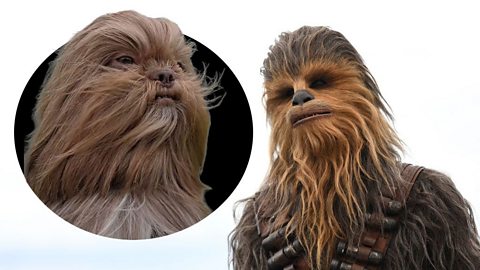
The internet does not care about your pet because it is cute. It cares because that pet functions as a high-speed mirror for human recognition. When a dog with a human face or a cat that resembles a pop star hits the front page of a social aggregator, we aren't witnessing a random act of digital whimsy. We are seeing the byproduct of a sophisticated biological glitch paired with an algorithmic incentive structure. The "lookalike" phenomenon is a multi-million dollar industry built on pareidolia, the human tendency to see familiar patterns—specifically faces—where they don't exist.
To understand why a dog that looks like Samuel L. Jackson holds more cultural capital than a pedigree champion, you have to look at the mechanics of the attention economy. Viral pet content isn't about the animal; it’s about the low friction of identification. In a feed moving at sixty miles per hour, a cat that looks like a grumpy old man requires zero cognitive load to process. It is an instant punchline. It is a biological shortcut.
The Cognitive Trap of Anthropomorphism
Human beings are hardwired for social connection. This evolutionary trait served us well when we needed to read the intentions of a rival tribesman, but it creates a massive blind spot when applied to domestic animals. When we see a dog with "human eyes," we are experiencing a specific neurological trigger. This isn't just a coincidence of fur patterns or bone structure. It is a manipulation of our deeply ingrained facial recognition software.
Digital platforms have figured out how to monetize this glitch. An image of a pet that mimics a celebrity provides a double-hit of dopamine. First, there is the joy of the animal itself. Second, there is the "Aha!" moment of recognizing the human counterpart. This second layer is what drives shares. You don't share a picture of a cute dog because it's a dog; you share it to signal to your peers that you are part of the "in-joke." You are confirming that you see what they see.
The Mathematics of Mimicry
Look at the data behind the biggest animal accounts. The most successful "characters" in the pet world—be it a dog that looks like a Star Wars character or a cat with a permanent scowl—operate on a curve of exaggerated features. This is often referred to as the "Supernormal Stimulus." If a regular cat is cute, a cat with features that look suspiciously like a human celebrity is an outlier. Outliers get the clicks.
This has led to a strange, sometimes dark, market for "unusual" looking animals. Breeders and shelters alike have noticed that pets with human-like expressions or odd markings are adopted and monetized at significantly higher rates. The animal becomes a brand. It ceases to be a companion and becomes a piece of intellectual property.
The Business of the Biological Joke
Behind every viral "Ed Sheeran Cat" or "Richard Branson Dog" is a business model that is surprisingly cold-blooded. The lifecycle of a viral lookalike follows a predictable path.
- Discovery: A low-quality photo is posted to a subreddit or a niche Facebook group.
- The Comparison: A user in the comments makes the celebrity connection. This is the "Product Market Fit" moment.
- The Pivot: The owner realizes the animal has value and creates dedicated handles across all major platforms.
- Monetization: Management companies—yes, pet talent agencies exist—step in to broker deals for calendars, merchandise, and sponsored content.
This isn't a hobby. It’s a career path. Professional "pet-fluencers" can command five figures for a single post. The lookalike factor acts as a unique selling proposition in a saturated market. There are ten million golden retrievers on Instagram, but there is only one dog that looks like a specific 1970s rock star. That scarcity creates value.
Market Saturation and the Descent into Irony
We are reaching a point of diminishing returns. As more owners try to "force" the lookalike angle, the audience is becoming cynical. We’ve seen enough "dogs that look like their owners" to last a lifetime. The industry is now shifting toward the uncanny. The animals that go viral now aren't just "cute," they are often slightly unsettling.
Consider the rise of pets with "human" eyes or facial structures that seem almost deepfaked. This is the next frontier of the lookalike economy. It taps into a mixture of fascination and revulsion. We can't look away because our brains are trying to solve the puzzle of why this creature looks so much like a person we know.
The Algorithmic Bias for Pattern Recognition
The software that runs our social feeds is designed to prioritize high engagement. High engagement is driven by things that are easily categorized. A dog that looks like a celebrity is the ultimate "taggable" content.
When you tag a friend in a photo of a dog that looks like them, you are providing the platform with a treasure trove of data. You are confirming social links and preferences. The algorithm learns that "Person A" finds "Comparison B" funny. This fuels the feedback loop. The more we engage with these lookalikes, the more the algorithm pushes them to the top of everyone else's feed, creating a false sense of cultural dominance.
The Ethics of the Aesthetic Pet
There is a cost to this obsession with the "human-faced" pet. In some cases, the very traits that make an animal a viral lookalike are the result of genetic abnormalities or health issues. Flat faces, bulging eyes, and strange skeletal structures might make for a great photo, but they often result in a lifetime of respiratory problems and chronic pain for the animal.
When we celebrate a pet for looking "human," we are often celebrating a deformity. This is the side of the industry that rarely gets discussed in the fluffy morning show segments. The "investigative truth" is that our desire for entertainment is directly influencing the physical health of domestic breeds. We are breeding for the meme, not the health of the species.
Breaking the Mirror
The lookalike trend will eventually eat itself. Trends based on visual gimmicks have a shelf life. As deepfake technology becomes more accessible, the "real" animal lookalike will lose its luster. Why wait for a dog to be born with a certain face when you can just filter your own pet to look like whoever you want?
Once the novelty of the "human-faced animal" is accessible via a toggle on an app, the biological versions will lose their market value. We will return to a world where a dog is just a dog, and a cat is just a cat. But for now, we remain trapped in this digital funhouse mirror, clicking on the cat that looks like a mid-level actor because it’s easier than engaging with the world in a way that requires actual thought.
The next time you see a pet lookalike, don't ask what celebrity it resembles. Ask why your brain is so desperate to see a human where there isn't one. The answer says more about our own loneliness and our need for patterns than it does about the animal on the screen. Stop looking for yourself in your pets. They are better than that. They don't need a celebrity's face to justify their existence. Only we do.