Washington wants a fast pass through Indonesian skies, but Jakarta isn't reaching for the stamp just yet. This week, the Indonesian Ministry of Foreign Affairs confirmed it's still "reviewing" a proposal from the United States that would basically give the American military a green light to fly over the archipelago with minimal red tape. If you're wondering why a simple flight path is causing such a stir in April 2026, it's because this isn't about commercial travel. It's about the US wanting a "blanket" overflight clearance for military assets during "contingencies" and "crisis response."
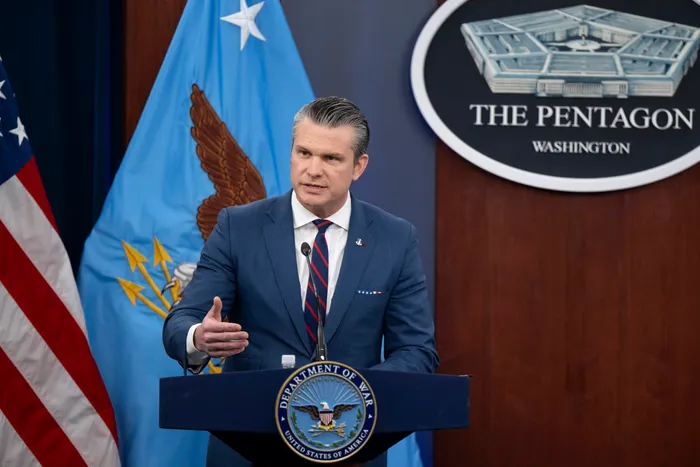
The timing is incredibly spicy. We just saw the signing of the Major Defense Cooperation Partnership (MDCP) between Indonesian Defense Minister Sjafrie Sjamsoeddin and US Secretary of Defense Pete Hegseth at the Pentagon on April 13. While that deal was full of handshakes and talk of "modernization," the fine print on airspace is where the real friction lies. Jakarta is making one thing very clear: sovereignty isn't for sale, even to its new "major" defense partner.
The blanket access trap
The US is asking for what's known as blanket overflight access. Right now, if a US military jet wants to cross Indonesian territory, it generally has to go through a case-by-case clearance process. It’s slow. It’s bureaucratic. And for the US military, which is currently navigating a fragile ceasefire with Iran and watching the South China Sea like a hawk, it’s a logistical nightmare.
The proposal would allow US planes to transit simply by notifying Jakarta, rather than waiting for a specific "yes" every single time. From a US perspective, this makes sense. If you're trying to move assets from bases in Northern Australia to the Middle East or the South China Sea, Indonesia is the giant roadblock in the middle. But for Indonesia, saying yes to this is like giving your neighbor a master key to your front door because they "might" need to run through your house during an emergency. You'd be skeptical too.
Why Jakarta is sweating the South China Sea
The biggest fear in Jakarta isn't just about losing control of its skies; it's about being dragged into a war it didn't start. A leaked internal letter from the Foreign Ministry to the Defense Ministry explicitly warned that granting this access could entangle Indonesia in a conflict. If a US jet flies through Indonesian airspace on its way to drop a payload or conduct surveillance in the South China Sea, does that make Indonesia a party to the conflict?
Indonesia has spent decades perfecting a "free and active" foreign policy. They don't want to be anyone's "unsinkable aircraft carrier." By keeping the clearance process manual and slow, they maintain "plausible neutrality." If they automate it, they lose that shield.
- The Surveillance Problem: The Foreign Ministry noted that US aircraft conducted surveillance in the South China Sea 18 times between January 2024 and April 2025.
- The Iran Connection: There's heavy speculation that the US wants this access to quickly shuttle forces between the Pacific and the Middle East, especially given the recent escalations with Tehran.
- The China Factor: Beijing is watching. Any move that looks like Indonesia is becoming a tactical extension of the US military will trigger a response from Indonesia's largest trading partner.
It is not a pillar of the partnership
You've got to appreciate the phrasing coming out of Jakarta lately. Spokesperson Yvonne Mewengkang was blunt: overflight arrangements are not a "central part" or a "pillar" of the new defense pact. This is a classic diplomatic move—signal that while we're friends, we're not that kind of friends.
The Ministry of Defense is trying to keep the public calm by emphasizing that the MDCP is about technology sharing, education, and joint exercises. But the reality is that the US wouldn't be pushing this hard for a Letter of Intent if it weren't a massive strategic priority. For the US, Indonesia is the geographic gatekeeper of the Indo-Pacific. Without easy access, the "pivot to Asia" is just a series of long, fuel-consuming detours.
Sovereignty vs. Strategy
Indonesia's 2025 airspace management law is the legal wall the US is hitting. That law basically mandates that unscheduled foreign flights need explicit authorization. Changing that for the US would likely require a legislative headache that the current administration might not want to deal with, especially with public "wrath" already bubbling over rumors of a secret deal.
What we're seeing is a high-stakes poker game. Indonesia wants American military tech and training to modernize its aging fleet. The US wants the geography. Usually, these deals result in a "middle way"—maybe a faster notification system for humanitarian missions or specific exercises, but definitely not the "blanket" the Pentagon is dreaming of.
Don't expect a quick resolution. Jakarta knows its value increases the longer it waits. If you're tracking regional security, watch the "technical mechanisms" they'll discuss in the coming months. That's where the real concessions will be buried, or where the proposal will go to die. For now, Indonesia's skies remain strictly "invite-only."