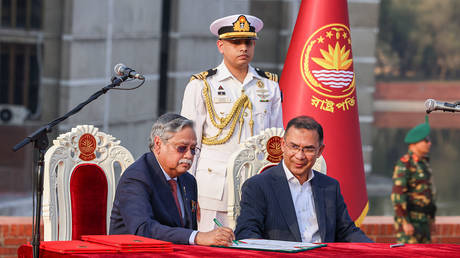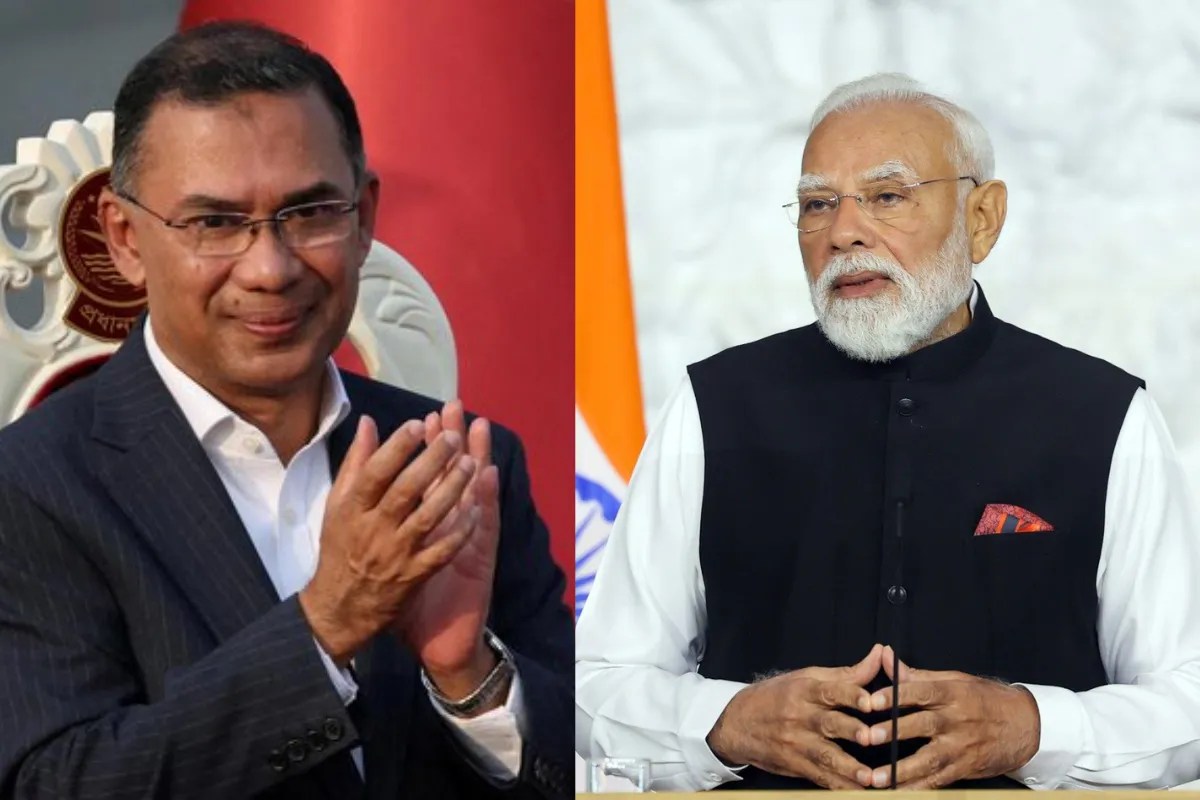
The headlines are celebrating a masterstroke of Indian diplomacy. New Delhi extended a high-profile invitation to Bangladesh’s Prime Minister Tarique Rahman for the BRICS 2026 Summit, and commentators immediately lined up to praise India’s foreign policy engine. They call it regional leadership. They call it neighborhood priority.
They are dead wrong.
Inviting Dhaka to sit on the sidelines of a bloated BRICS gathering isn’t a sign of strategic strength. It’s a performative hedge against a crumbling South Asian policy. For over a decade, diplomats in New Delhi convinced themselves that bilateral photo-ops and multilateral symbolism could substitute for hard political integration and real market access. Now, as Beijing systematically buys infrastructure and influence across the Bay of Bengal, India is offering high-table dinner invites instead of real structural alignment.
If you think a seat at BRICS changes the strategic calculus in South Asia, you are swallowing regional spin.
The Illusion of Multilateral Fixes
Let’s dismantle the consensus view. The mainstream foreign policy establishment loves multilateral summits because they generate headlines without demanding real concessions. Inviting Bangladesh to BRICS costs India zero tariff reductions, zero immigration adjustments, and zero financial sacrifices. It is cheap optics.
Look at the arithmetic. Bangladesh faces massive trade deficits with India. Dhaka wants duty-free access, predictable water-sharing agreements, and security guarantees that survive changes in domestic leadership. Instead, they get a VIP ticket to a forum originally built for emerging global giants, now increasingly transformed into a forum for anti-Western posturing.
BRICS was meant to challenge the Bretton Woods institutions through trade settlements and capital deployment via the New Development Bank. Replacing bilateral trade frictions with summit coffee breaks doesn't fix regional supply chains. It delays hard choices.
Beijing Wins While New Delhi Hosts
China didn't build its footprint in Bangladesh by issuing invitations to policy forums. Beijing built it with cement, steel, and debt financing.
While Indian commentators debate diplomatic symbolism, Chinese state enterprises continue funding ports, bridges, and power grids across South Asia. Beijing treats Bangladesh as a crucial maritime node in its naval and commercial strategy. India, by contrast, treats Bangladesh like a domestic political talking point.
When a neighbor faces economic instability, currency pressure, and energy shortages, they do not need a chair in a foreign plenary hall. They need deep market integration, cross-border energy grids, and actual capital investment.
If New Delhi wants to check Chinese expansionism in its immediate backyard, it must offer Bangladesh something better than a seat at BRICS. It needs to open its domestic markets, finalize long-delayed bilateral treaties, and offer institutional stability that outlives individual political regimes in Dhaka.
The BRICS Trap
There is another flaw in this narrative: the assumption that BRICS itself remains an effective vehicle for Indian power.
BRICS has expanded far beyond its original mandate. The political interests of its members are completely misaligned. India wants an autonomous, multi-polar world order where it sits as an independent pole. Other core members want an explicit anti-Western alliance.
Dragging South Asian neighbors into this friction-filled bloc forces them into a geopolitical balancing act they never asked for. Bangladesh’s primary economic goal is simple: export textiles to North America and Europe, import capital from whoever offers the best rates, and keep its debt service manageable.
Forcing Bangladesh to navigate BRICS rivalries does not advance Dhaka's interests, nor does it secure India's border. It simply projects India's strategic anxieties onto its smaller neighbors.
Stop Celebrating Invites and Start Integration
Diplomacy is measured by results, not guest lists.
If India wants genuine hegemony in South Asia, it must stop relying on external forums to manage its immediate perimeter. True influence looks like seamless cross-border freight, shared power grids that run 24 hours a day, unified customs clearance, and deep financial integration.
Inviting Bangladesh’s leadership to BRICS 2026 isn't a victory. It's a admission that regional diplomacy has stalled, leaving New Delhi reaching for global summits to cover up domestic and neighborhood stumbles.
Until India treats its immediate neighbors as economic partners rather than strategic cushions, Beijing will continue picking off South Asia piece by piece. No amount of summit invitations will change that math.