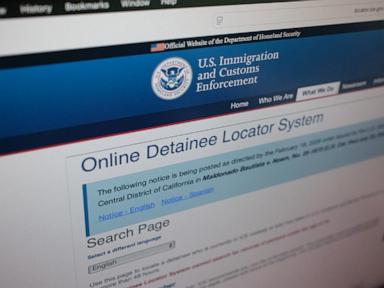
Imagine checking an official government database for a family member or a legal client, only to find they have vanished completely. That is the stark reality thousands of families and attorneys faced after U.S. Immigration and Customs Enforcement quietly pulled records from its public tracker.
When federal agencies start wiping names from public locators, transparency dies overnight. More than 30 human rights organizations took emergency action, petitioning a United Nations panel to intervene against what they accurately describe as a dangerous plunge into state-sponsored secrecy. Meanwhile, you can find related developments here: The Invisible Line Crossing State Lines.
The Online Black Hole
For years, the Online Detainee Locator System served as a critical lifeline. Families used it to track loved ones across a sprawling network of detention centers, while lawyers relied on it to secure access to counsel before deportations finalized.
Without warning, ICE stripped thousands of individuals facing final removal orders out of that public system. Over 16,000 detainees effectively disappeared from public view. Attorneys woke up to find their clients wiped from the registry, leaving them completely unable to file emergency stays, habeas petitions, or basic legal challenges. To see the bigger picture, check out the recent analysis by BBC News.
When you hide where people are held, you strip away their due process. It cuts off communication, blocks legal representation, and leaves families stranded in total terror.
Why the United Nations Appeal Matters
Human rights coalitions didn't just complain—they went straight to the United Nations Working Group on Enforced or Involuntary Disappearances. The petition asks the UN panel to urge ICE to publicly list all detainee locations within an hour of arrest and mandate a 24-hour notice before any transfer.
Critics argue this practice mimics authoritarian tactics. The Department of Homeland Security denies that withholding these locations amounts to enforced disappearance, but legal experts point out that rendering people untraceable creates the exact same terrifying outcome. When a breastfeeding mother and her young child or an elderly asylum seeker with a disability vanish into an unlisted facility, the system functions as an information black hole.
Legal advocacy groups also filed federal lawsuits, arguing that dropping thousands of detainees from public logs violates the Administrative Procedure Act and the Freedom of Information Act. The sudden policy shift came with zero public notice or justification.
Real Accountability Requires Pressure
Opaque bureaucracy thrives when nobody is watching. Civil rights groups are demanding immediate policy reversals, court injunctions, and strict federal oversight to ensure no government agency can shroud detentions in secrecy.
If you or an organization you work with are tracking immigration policy changes, keep a close eye on the ongoing federal lawsuits and international petitions challenging these concealment tactics. Transparency shouldn't require an international human rights intervention just to find out where a human being is being held.
The video above outlines the growing concerns surrounding ICE's detainee locator modifications and the impact on those trapped in the system.