The air in Hong Kong’s Central district carries a distinct hum just before twilight. It is a mix of humidity, the low thrum of double-decker buses, and the invisible friction of billions of dollars shifting through fiber-optic cables.
If you sit on a bench near the Exchange Square fountains, you can almost feel the anxiety of a city trying to reinvent itself.
For decades, Hong Kong thrived on a simple formula. Money came in, found a reliable corporate home, and multiplied. But the old formula is sluggish now. The global economy has shifted its weight, and the traditional gatekeepers of capital are realizing that standing still is the quickest way to sink.
Step inside one of the sleek, glass-and-steel towers towering above the harbor. Let us look at a hypothetical investor we will call Chen. He represents a very real, very stressed contingent of the city’s financial elite. Chen has spent the last two hours staring at a spreadsheet of emerging tech startups in Shenzhen and Hangzhou. These companies are building tomorrow’s artificial intelligence architectures and quantum computing frameworks. They are desperate for funding. Chen is desperate to give it to them.
Yet, they are stuck.
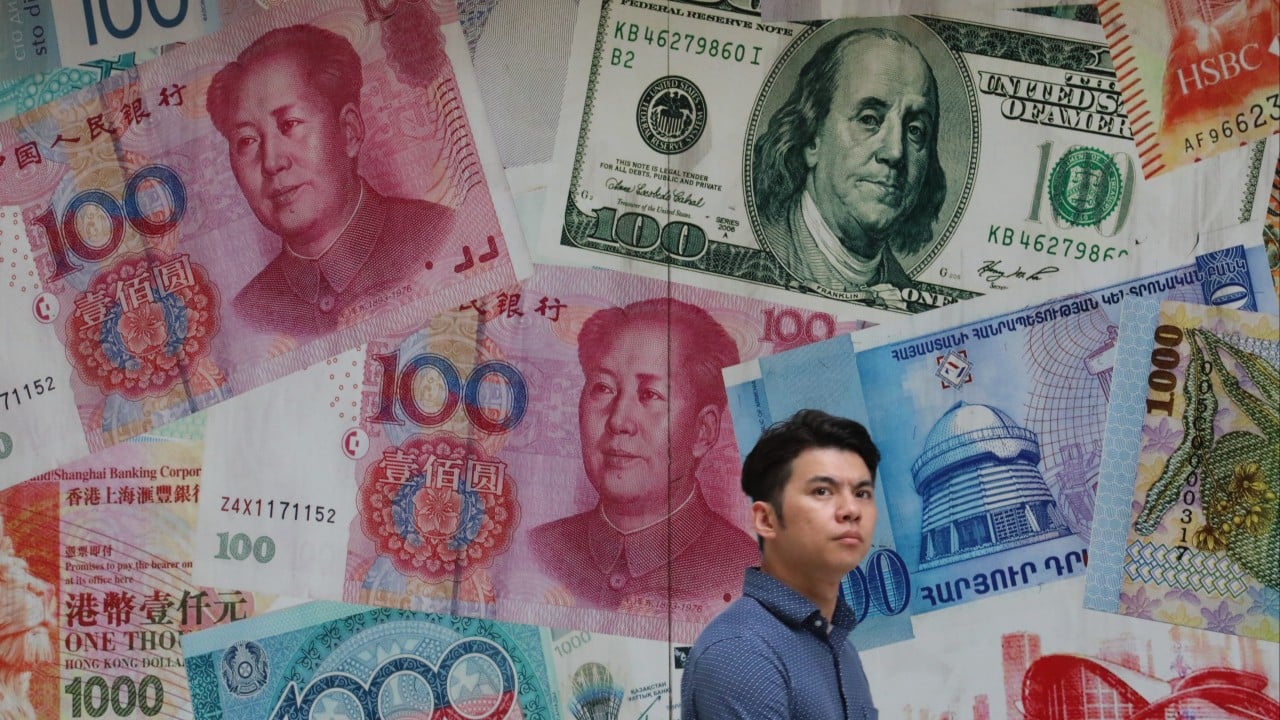
The barrier is not a lack of ambition. It is a knot of currency regulations and risk. The startups operate in renminbi (yuan). Chen’s offshore funds are deeply tied to the US dollar. Moving money across that border requires jumping through a burning hoop of regulatory compliance, currency conversion losses, and shifting geopolitical winds. The capital sits idle in offshore accounts, growing colder by the day, while the brilliant ideas across the border starve for resources.
This quiet crisis explains why a bureaucratic proposal winding its way through the city’s policy corridors is turning heads. Hong Kong is quietly laying the groundwork for a specialized, offshore yuan venture capital fund.
It sounds dry. It sounds like the kind of news that gets buried on page sixteen of a financial daily. But to people like Chen, it represents a profound shift in the tectonic plates of global finance.
The Friction of the Invisible Border
To understand why this matters, we have to look at the plumbing of global money.
When you buy a cup of coffee, the transaction feels instant. When an institution tries to move $50 million across a sovereign currency border to fund a biotech lab, the system grinds. China’s onshore yuan is tightly controlled to maintain economic stability. The offshore yuan, traded primarily in Hong Kong, floats more freely but lacks a direct, frictionless pipeline into early-stage, high-risk tech investments.
Think of it as two massive reservoirs of water separated by a thick concrete dam. There are a few narrow pipes connecting them, mostly reserved for massive, established corporations—the safe bets. If you are a scrappy robotics startup with fifty employees, you do not fit through those pipes. You are left thirsting for liquidity.
The proposed venture fund is an attempt to smash a hole in that dam. By creating an offshore yuan fund specifically earmarked for tech and emerging industries, Hong Kong is attempting to build a direct expressway between global private capital and the front lines of Chinese innovation.
It is a high-stakes gamble. For years, the narrative surrounding Hong Kong has been one of caution. Critics wondered if the city could maintain its edge as Asia’s premier financial hub amidst shifting political dynamics. This move is an aggressive counter-punch. It is an assertion that Hong Kong can do something no other city on earth can achieve: act as the ultimate translator between Western-style venture capital and Eastern technological capability.
The Shift Beyond Real Estate
For generations, the safest bet in Hong Kong was concrete. You bought land. You built a tower. You collected rent. It was a tangible, predictable loop that created some of the grandest fortunes on the planet.
But you cannot build a 21st-century superpower on real estate alone.
The city’s leadership is waking up to a stark reality. The future belongs to the code writers, the genomic researchers, and the engineers perfecting solid-state batteries. These fields do not yield predictable quarterly returns from day one. They require patient, risk-tolerant capital. They require a willingness to watch nine bets fail so that the tenth can change the world.
This requires a cultural evolution. Hong Kong’s financial sector is historically risk-averse, built on the steady metrics of commercial banking and public listings. Venture capital is an entirely different beast. It is visceral. It requires looking an entrepreneur in the eye and betting on their obsession rather than their balance sheet.
By structuring this new initiative around the offshore yuan, the city is trying to de-risk the equation for local and international investors. It provides a natural hedge. If an investor can deploy yuan directly into a yuan-denominated tech firm, the nightmare of currency volatility vanishes overnight. The focus shifts back to where it belongs: the viability of the technology.
The Quiet Architecture of Trust
Consider what happens next if this framework succeeds.
A European pension fund, wary of direct onshore investment due to regulatory complexities, looks for a compromise. They allocate a portion of their portfolio to Hong Kong’s new offshore yuan fund. That money is pooled and directed straight into a firm developing advanced medical imaging software in Guangzhou.
The European fund gets exposure to the world’s fastest-growing tech ecosystem through a familiar, common-law legal framework. The medical startup gets the fuel it needs to hire fifty more researchers. Hong Kong skims its percentage, solidifying its role as the indispensable middleman.
Everyone wins on paper. But executing this requires navigating a minefield of skepticism.
International investors are understandably cautious. They look at the tightening web of global trade restrictions and wonder if their capital will get trapped in a geopolitical crossfire. They worry about intellectual property protection. They wonder if a fund backed by policy initiatives will favor state-directed projects over genuine, disruptive innovators.
These are not irrational fears. They are the exact doubts that keep fund managers awake at 3:00 AM, staring at the ceiling of their hotel rooms.
The success of this venture fund will not be measured by the size of its initial capital launch. It will be measured by the transparency of its governance. Hong Kong has to prove that its regulatory environment remains as clean, predictable, and ruthless as ever. It must convince a deeply cynical global market that this is not a political project, but an economic engine.
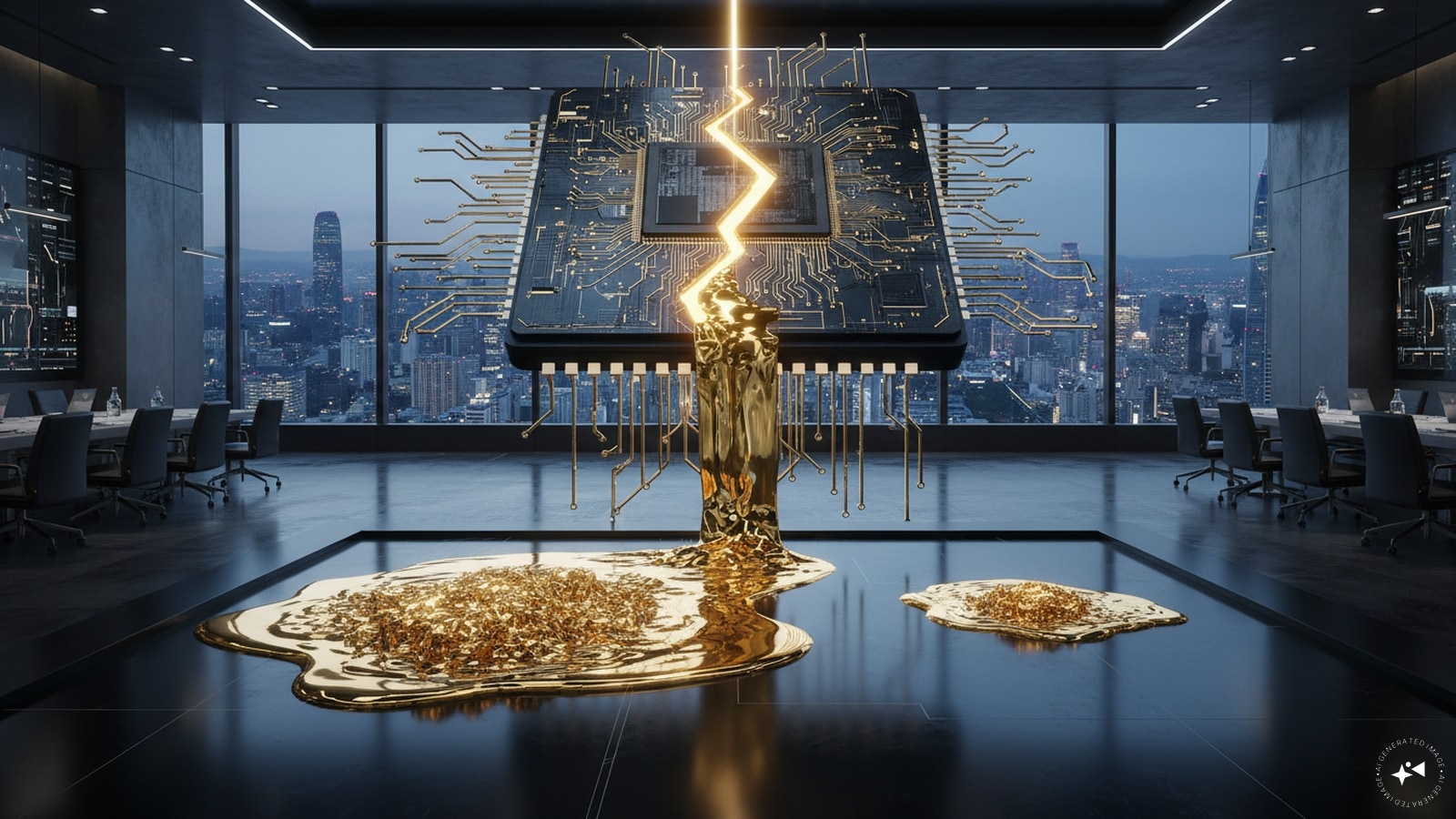
The Microchip and the Harbor
The sun has fully set now. The skyline of Victoria Harbour is ablaze in neon blues and golds, reflecting off the dark water. It is a view that has symbolized wealth for a century.
But wealth is a slippery thing. It does not belong to the geography; it belongs to the utility. Money flows where it is treated well, where it can move quickly, and where it can find purpose.
The proposed offshore yuan venture fund is more than a policy update. It is a confession that the old ways of moving wealth are no longer sufficient. It is an acknowledgement that the next chapter of economic dominance will not be written by the entities with the largest vaults, but by those who design the most efficient pipelines for human ingenuity.
Deep in the offices of Central, the lights stay on. Analysts are rewriting risk models. Lawyers are drafting compliance frameworks. They are trying to capture lightning in a bottle, betting that the city can once again transform itself before the world leaves it behind.
The spreadsheets will continue to update, the announcements will be made in sterile press rooms, and the numbers will scale into the billions. But beneath the math, the true gamble remains entirely human. It is the story of a city refusing to become a museum, desperately trying to build the bridge that the future is waiting to cross.