Warm chemistry between world leaders looks great on television, but it doesn't pay the bills.
Right now, US Secretary of State Marco Rubio is wrapping up a high-stakes, four-day diplomatic tour across India. He sat down for intense, hour-long discussions with Prime Minister Narendra Modi and stood side-by-side with External Affairs Minister S. Jaishankar. The immediate goal is obvious. Washington wants to repair the structural damage caused by Donald Trump's aggressive tariff policies and America's messy entanglements in the Middle East.
But let's be totally honest. We've seen this movie before.
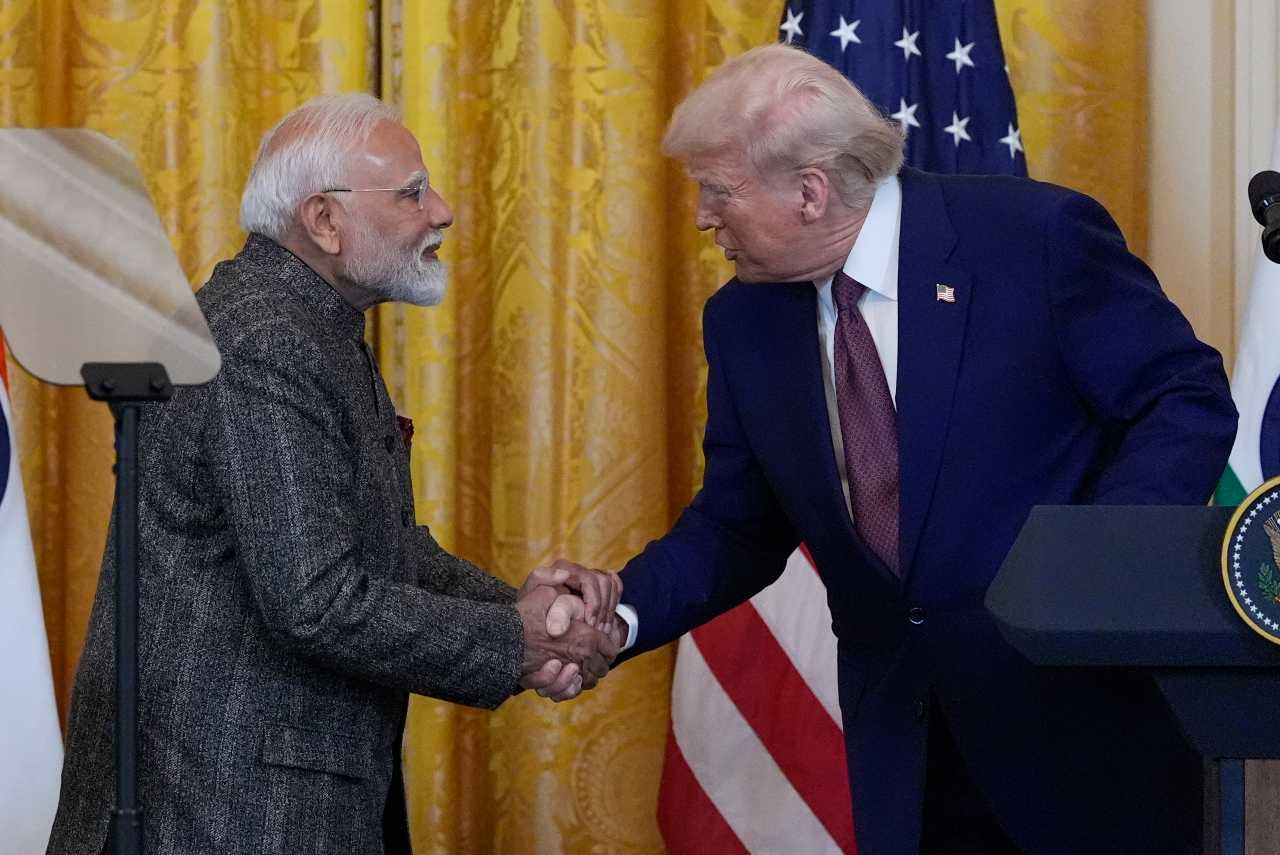
The personal friendship between Modi and Trump has always been highly visible. They share stage hugs, hold massive stadium rallies, and trade public compliments. Yet, former Indian Ambassador to the US Meera Shankar recently pointed out something that many analysts overlook. This famous leader-level bonhomie means absolutely nothing if it isn't backed by cold, hard policy action. As Rubio tries to execute a strategic reset, the reality is that the US-India partnership is facing a massive undercurrent of economic friction.
The Friction Behind the Friendly Rhetoric
The fundamental problem with relying on personal chemistry is that it constantly crashes into domestic economic priorities. Trump plays by the rules of "America First." Modi plays by "India First." Eventually, those two ideologies are going to collide, and they usually do over trade.
While the strategic community in Washington views New Delhi as a vital counterweight to China in the Indo-Pacific, the trade negotiators view India through a much harsher lens. Trump's administration treats trade as a zero-sum game. If you're running a trade surplus with the US, you're on the radar.
India has felt the sting of this perspective directly. Trump’s sweeping tariffs have repeatedly strained bilateral commercial ties, creating an atmosphere of deep business uncertainty. When Washington imposes broad, sweeping economic penalties on foreign steel, aluminum, or tech services, it doesn't offer a pass just because the two leaders are friends.
For India, this unpredictability is a serious roadblock. Indian exporters can't plan long-term investments when Washington might change import duties overnight based on a social media post or an executive whim.
Moving Beyond the Lip Service
If Rubio wants his diplomatic reset to stick, the conversation has to shift away from broad declarations of shared democratic values. It needs to focus on concrete, written policy agreements.
Right now, the bilateral agenda is packed with critical areas that require actual work, not just photo opportunities.
- A Real Bilateral Trade Agreement: The two nations have teased a comprehensive trade package for years. Rubio's visit saw renewed conversations about this, but talks need to transition into signed text that addresses tariff barriers, market access, and agricultural exports.
- Fixing the Immigration Bottleneck: During his meetings, Modi reportedly brought up pressing issues surrounding H-1B visas and Green Card rules. Indian tech professionals and businesses need predictable, transparent immigration frameworks, not a system that serves as a political football during US election cycles.
- Critical Minerals and Tech Security: Channelling investments into semiconductor supply chains, critical minerals, and nuclear energy cooperation requires deep regulatory alignment. It's about rewriting bureaucratic rules, not just making speeches at the Quad.
Jaishankar summed up the dynamic perfectly during his press conference with Rubio. He stated plainly that just as Washington prioritizes its own people, India is entirely focused on its own national interests. It was a polite but firm reminder that India will not compromise its domestic economic health for the sake of geopolitical optics.
Divergent Views on Global Conflicts
The strategic friction isn't just about trade percentages or visa quotas. It’s also about how both countries view global volatility.
While Washington wants New Delhi fully aligned with its geopolitical vision, India has steadily diversified its global ties. The ongoing conflicts in the Middle East have driven up energy costs and complicated maritime shipping routes through the Red Sea. For India, keeping global energy prices low and securing unhindered maritime commerce are existential economic priorities.
When the US pursues a highly disruptive foreign policy in West Asia, India suffers the collateral economic damage. This is exactly why India's geopolitical focus has subtly evolved. New Delhi is more than willing to cooperate through frameworks like the Quad—which Jaishankar noted actually gained its modern momentum during Trump's first term—but it refuses to act as a subordinate partner to American foreign policy mandates.
What Needs to Happen Next
The time for performative diplomacy is over. If the US and India want a relationship that can survive political transitions, both capitals need to execute a few pragmatic steps immediately.
First, trade negotiators must lock down a mini-trade deal before the end of the year to signal market stability to global investors. Vague promises won't convince a tech firm to relocate its supply chain from East Asia to India; explicit tax and tariff exemptions will.
Second, the US needs to institutionalize its strategic partnerships. Agreements regarding defense technology transfers and critical mineral access should be legally formalized so they can survive a sudden shift in the White House.
Relying on the personal alignment of two leaders is a high-risk gamble. Hugs make for great press releases, but clear, legally binding policies are what actually build an alliance.