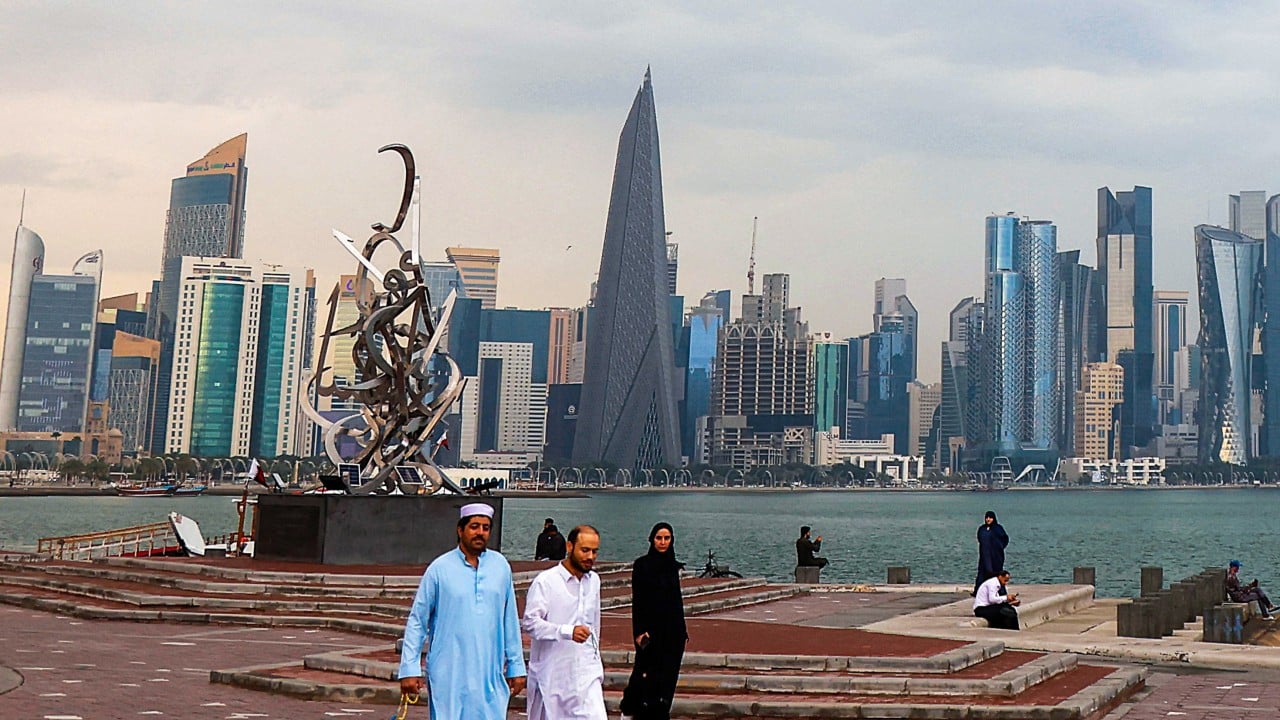
Will a new investment forum turn Hong Kong into the definitive financial bridge connecting Asia and the Middle East? The Hong Kong Trade Development Council announced plans for an Asia-Middle East Investment and Business Forum, designed specifically to capture cross-border capital flows, foster joint ventures, and bring Gulf-backed firms to the Hong Kong Stock Exchange.
It sounds promising on paper. Gulf sovereign wealth funds sit on multi-trillion-dollar war chests, actively seeking exposure to Asian technology and manufacturing supply chains. At the same time, Mainland Chinese enterprises want patient capital that isn't tied to Western geopolitical constraints. Hong Kong sits right in the middle, claiming the title of ultimate "superconnector." Expanding on this idea, you can also read: The Brutal Truth About the US Manufacturing Boom.
Signing memorandums of understanding at high-level summits isn't the same as institutionalizing a capital corridor. If Hong Kong wants to dominate deal-making between these two massive regions, it has to overcome structural hurdles that glossy event schedules don't address.
The Financial Forces Driving the Alliance
The economic logic pushing Gulf capital toward Asia is undeniable. Middle Eastern sovereign funds—from Saudi Arabia's Public Investment Fund (PIF) to Abu Dhabi's Mubadala and the Qatar Investment Authority—are executing long-term economic diversification plans like Saudi Vision 2030. They're deliberately shifting allocations away from North America and Western Europe toward fast-growing Asian markets. Analysts at CNBC have shared their thoughts on this situation.
Asian markets offer advanced manufacturing, renewable energy tech, consumer volume, and commercialized artificial intelligence. Western markets offer regulatory scrutiny and political friction for Middle Eastern investors. The synergy is clear.
Chinese tech valuations are historically low compared to Silicon Valley peers. Gulf investors see an entry point to back world-class hardware, electric vehicles, and industrial automation at attractive entry prices. Meanwhile, Chinese firms need deep liquidity to scale across emerging markets.
Hong Kong offers key structural features:
- Capital mobility: Unrestricted capital movement with no foreign exchange controls, backed by the U.S. dollar peg.
- Common law system: Familiar legal frameworks for cross-border contracts, international arbitration, and debt structuring.
- Offshore Renminbi dominance: The world's largest pool of offshore RMB liquidity, critical for settlement of non-dollar trade and energy transactions.
- Listing infrastructure: Dual-currency listing options and proven listing rules for high-growth tech and green-energy entities.
Where the Corridor Hits Friction
High-level forums bring political momentum, but structural friction remains.
Islamic Finance Infrastructure Is Still Lacking
Despite years of talking about Islamic finance, Hong Kong hasn't fully built out a liquid Sukuk (Islamic bond) market. Gulf institutions managing Sharia-compliant funds need structured investment vehicles that meet specific ethical and financial criteria. While London and Singapore built clear tax and regulatory frameworks to accommodate Islamic debt instruments early on, Hong Kong's secondary market for Sharia-compliant products remains thin.
Public Listings Are Harder Than Private Placements
Hosting a forum to encourage Middle Eastern companies to list on the Hong Kong Stock Exchange (HKEX) is a great pitch. The reality? Secondary listings for foreign entities are notoriously difficult to pull off. Most Gulf companies prefer private equity joint ventures or local listings on the Tadawul or Abu Dhabi Securities Exchange (ADX), where local liquidity and brand recognition are guaranteed. Convincing a Saudi industrial conglomerate to navigate HKEX regulatory compliance requires real incentive, not just networking sessions.
Talent and Cultural Nuance
Cross-border deal-making requires deep relationship networks, known in the Middle East as wasta. Western investment banks in Hong Kong built their desks around US-China transactions. Moving into Riyadh, Dubai, and Abu Dhabi requires a completely different roster of dealmakers, legal experts, and advisors who understand family office structures and Gulf regulatory norms. That deal-making talent pool in Hong Kong is growing, but it's far from mature.
How Hong Kong Actually Wins the Deal-Making Battle
If Hong Kong wants to own this nexus, policy markers and financial institutions need to focus on concrete operational shifts rather than broad marketing.
1. Build Co-Investment Platforms With Sovereign Funds
Rather than waiting for companies to list publicly, Hong Kong needs to facilitate joint private equity platforms. Setting up co-investment funds anchored by both Hong Kong’s Investment Corporation (HKIC) and Gulf sovereign wealth funds creates skin in the game. When both sides pool capital to back supply-chain expansion across Southeast Asia and the Middle East, commercial velocity follows.
2. Fast-Track Cross-Listing and ETF Protocols
The launch of the CSOP Saudi Arabia ETF in Hong Kong was a solid proof of concept, giving East Asian retail and institutional investors direct exposure to Saudi equities. The reverse must happen faster. Establishing streamlined depositary receipt programs that let Middle Eastern investors buy top-tier Chinese tech firms directly through local Gulf exchanges creates structural liquidity that outlasts any single conference.
3. Focus on Sovereign Energy and Tech Integration
The strongest deal flow isn't in traditional real estate; it's in the real economy. Gulf states want to localize advanced tech—semiconductors, solar manufacturing, energy storage, and AI infrastructure. Chinese firms have the technical capability and hardware scale, but they need foreign market access. Hong Kong dealmakers should target these exact industrial joint ventures, positioning the city as the legal and financial structuring desk for technology transfers.
Getting Ahead of the Capital Shift
The announcement of dedicated investment forums reflects a real alignment between Asian innovation and Middle Eastern liquidity. Hong Kong already has the baseline financial architecture to capture this business, but holding events won't automatically guarantee dominance.
If you're an investor, corporate executive, or fund manager looking to position yourself for this capital shift, don't wait for formal summits to build your strategy:
- Map local joint-venture frameworks: Audit how your business structure handles cross-border ownership, particularly regarding intellectual property transfer into the Gulf Cooperation Council (GCC) region.
- Diversify settlement currencies: Establish banking relationships in Hong Kong that support multi-currency clearing, including offshore RMB and UAE Dirhams, to bypass Western intermediary banking friction.
- Build direct relationships with Middle East family offices: Sovereign funds handle mega-deals, but private family offices across Jeddah, Riyadh, and Dubai are moving quickly into mid-market tech and healthcare investments across Asia.
The financial bridge between Asia and the Middle East will be built by firms executing structured, cross-border deals on the ground. Hong Kong has every tool required to own that pipeline, provided it focuses on hard institutional plumbing over high-level networking.



