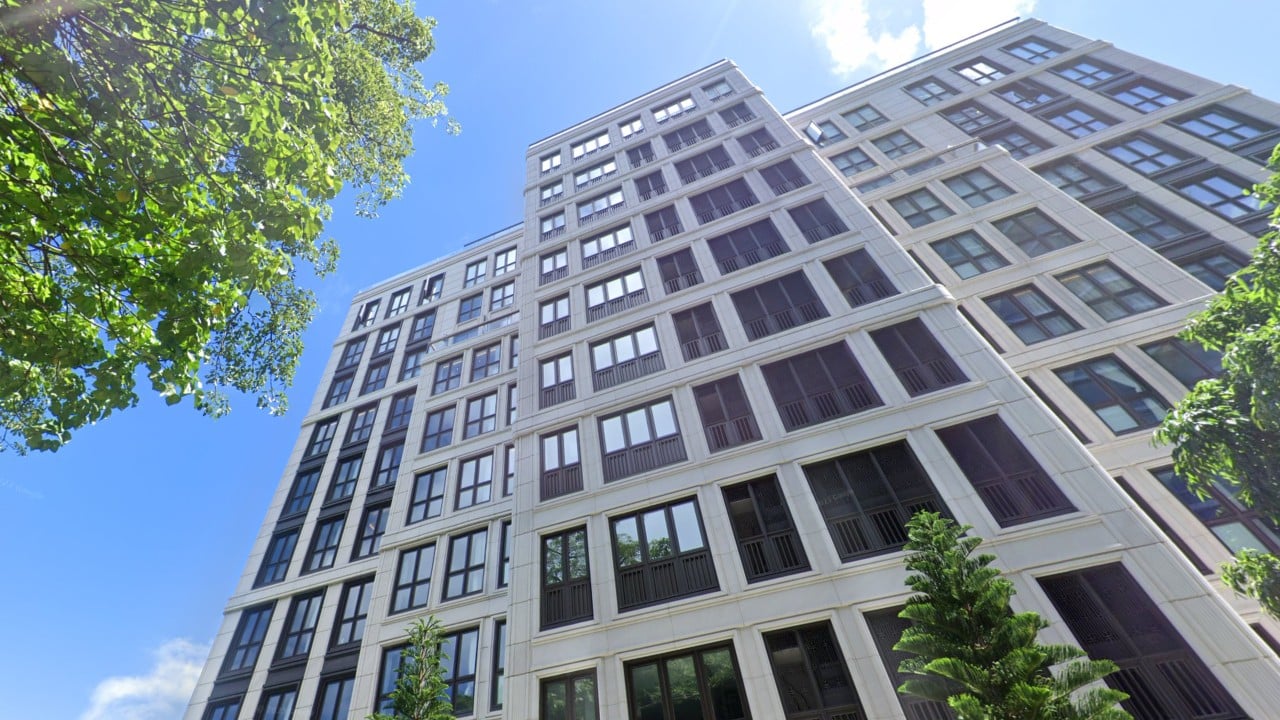
Hong Kong's ultra-luxury property market isn't just "recovering"—it's being fundamentally rewired. You might've seen the headlines about a certain penthouse at High Peak in Mid-Levels West selling for HK$420 million (around US$54 million). It's a massive number, sure. But the real story isn't just the price tag. It's about who's buying, why they're doing it now, and what it says about the shifting gravity of Asian wealth.
For years, the narrative was that Hong Kong's shine had faded. High interest rates, geopolitical jitters, and cooling measures kept the big players on the sidelines. That's clearly over. The sale of the 6,701-square-foot unit at 23 Po Shan Road to a buyer linked to mainland China—identified in records as Zheng Jiang via a company called Shine Action—is the loudest signal yet that the "wait and see" period has expired.
Why the smart money is moving now
If you're wondering why someone would drop US$54 million on a single floor in 2026, you have to look at the math. It's not just about a fancy view of the harbor.
- The Stamp Duty "Sweet Spot": Earlier this year, the government hiked the stamp duty for properties over HK$100 million from 4.25% to 6.5%. While that sounds like a deterrent, it's actually a drop in the bucket compared to the old 15% or 30% tax burdens that used to crush non-local buyers. Even with the slight hike, the cost of entry is still near decade-lows for mainland investors.
- Inventory Scarcity: We're looking at a tightening supply pipe. Forecasts show private residential completions dropping to around 16,980 units this year and even lower in 2027. In the ultra-luxury world, when a "one-of-a-kind" penthouse like the one at High Peak hits the market, you don't haggle over a 2% tax increase. You buy it before someone else does.
- The Talent Influx: Schemes like the Top Talent Pass (TTPS) have brought over 30,000 high earners into the city, the vast majority from the mainland. This isn't just about middle-management; it’s about the bosses and founders who want a trophy home to match their new residency.
Mainland buyers are back with a vengeance
The data from Savills and Centaline paints a pretty clear picture. In the first three months of 2026, transactions over HK$100 million didn't just grow; they exploded. We saw 58 deals in that bracket in Q1 alone. For context, that’s more than triple what we saw in the same period last year.
Mainland buyers now account for over half of these nine-figure deals. This isn't the speculative "flipping" we saw a decade ago. It’s wealth preservation. With global markets looking volatile, a 6,000-square-foot fortress in Mid-Levels starts to look like a very stable place to park a few hundred million.
I've talked to agents who say the vibe has shifted. It’s no longer about asking "Is the market going down?" It’s "How do I get into the best building before the next rate cut?"
Mid-Levels West vs The Peak
The High Peak sale is interesting because it highlights the enduring appeal of Mid-Levels West. While The Peak is usually the go-to for "ego buys" (like that HK$1.04 billion mansion at Mount Nicholson sold earlier this year), Mid-Levels offers a different kind of utility. It’s closer to the action in Central but tucked away enough to feel private.
The per-square-foot price for the Po Shan Road penthouse—roughly HK$62,677—is a record for that specific project. It proves that buyers aren't just looking for a discount; they’re willing to pay a premium for the absolute best-in-class assets. If it has a private terrace, a roof, and enough space for a full security detail, the price is almost secondary.
What most people get wrong about this spike
Don't mistake this for a broad-market bubble. The "mass market" (units under HK$10 million) is moving at a much slower, more cautious pace. What we're seeing is a decoupling.
The ultra-prime segment operates on its own set of rules. These buyers aren't worried about whether their mortgage goes up by 0.25%. They're worried about where their capital is safest. Right now, they’ve decided that Hong Kong—with its lower taxes, returning expatriates, and status as the gateway to the Greater Bay Area—is the place to be.
Honestly, the risk isn't that the market will crash; it's that the average buyer will get priced out of even "normal" luxury as the floor continues to rise.
How to play this market
If you're looking at the Hong Kong luxury space, sitting on your hands is probably the worst move you can make right now.
- Watch the Supply: Look for "distressed" assets in the secondary market before the 2027 supply crunch really hits. The gap between new-build prices and high-quality secondary units is where the value is.
- Follow the Talent: Districts popular with Top Talent Pass holders are seeing the highest rental growth. Mid-Levels and West Kowloon are the obvious winners here.
- Audit the Tax: Don't let the 6.5% headline scare you. Calculate the total "hold cost" compared to other global hubs like London or New York. Hong Kong still wins on the math for high-net-worth individuals.
The window for "bargain" trophy homes is closing. When people like Zheng Jiang start writing US$54 million checks, the smart money is usually already halfway through the door.