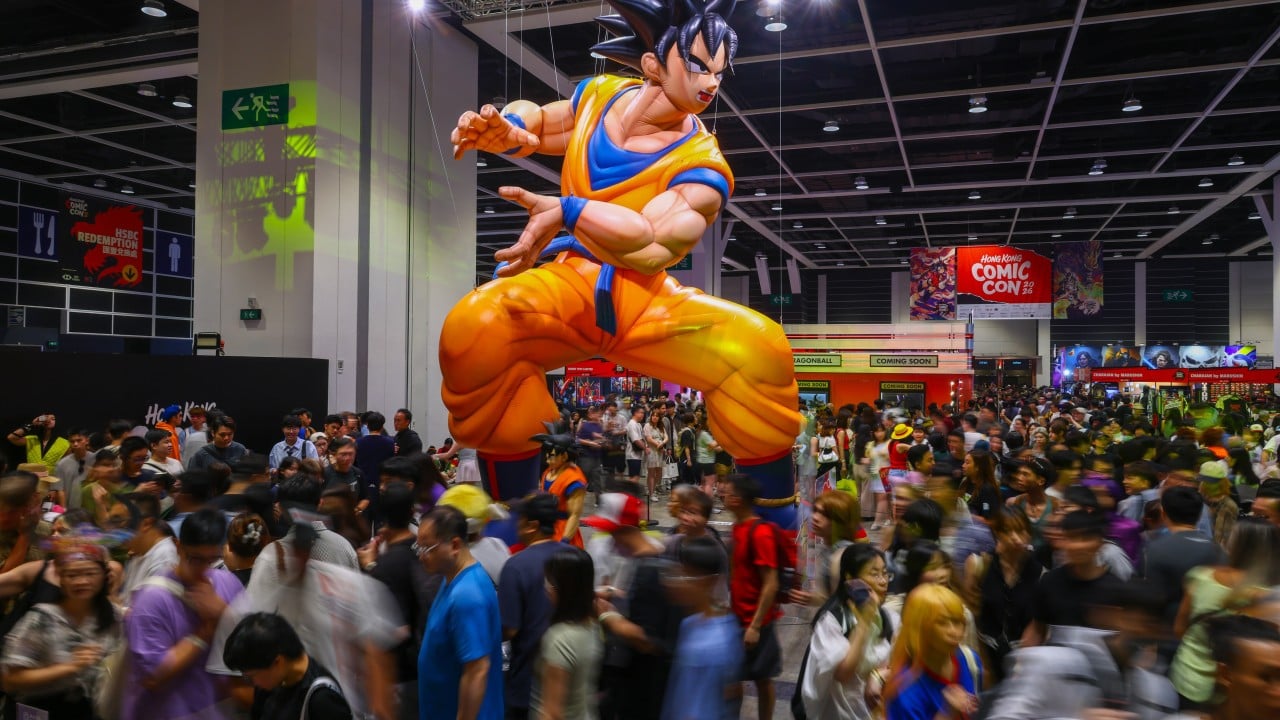
Hong Kong just took a massive gamble on global pop culture, and honestly, the city desperately needed it. The inaugural Hong Kong Comic Con 2026 kicked off at the Hong Kong Convention and Exhibition Centre in Wan Chai, running from May 29 to May 31. For three days, Hall 3 became the absolute epicenter of geek culture in Asia. It was loud, chaotic, packed to the rafters, and kinda messy in ways that only a brand-new mega-event can be.
If you spent any time scrolling through social media over the weekend, you saw the polished highlight reels. You saw the star-studded lineup of international cinematic icons standing alongside a traditional Chinese lion dance. But let's look past the slick PR. What actually went down on the convention floor?
The event represents a massive logistical shift for a city that usually relies on homegrown animation expos. Organized by Optics Ventures and co-sponsored by One Cool Group, the convention threw serious financial muscle at the project. They brought in 150 exhibitors, set up an massive main stage, and managed to clear out a dedicated space for independent creators.
The real test wasn't just whether people would show up. They did. The real question was whether Hong Kong could handle the unique, high-pressure demands of a Western-style comic convention.
The Massive Star Power That Saved Day One
Let's talk about the celebrity guest list. Usually, regional cons grab one or two mid-tier actors and call it a day. The organizers of this event went all out. They fly in absolute heavyweights.
- Mads Mikkelsen: The internet's favorite sophisticated villain held a massive panel dissecting his dangerous aesthetics from Hannibal to blockbuster franchises.
- Giancarlo Esposito: Broke down his work on Cyberpunk: Edgerunners in a special presentation that packed the main stage.
- Norman Reedus: Brought out the Death Stranding and Walking Dead diehards for his panel on surviving the apocalypse.
- Christopher Lloyd: Joined forces with Hong Kong cinematic icon and official event ambassador Louis Koo for a mind-bending Time Traveller Cosplay Challenge.
Having Louis Koo lead the charge was a brilliant strategic move. Koo didn't just flash a smile for the cameras; he literally displayed over 10 private collectibles from his personal stash and championed the local scene. During the opening ceremony, he noted that seven months of intense preparation went into the event, reminding the crowd that while Rome wasn't built in a day, the goal is to establish this as a recurring mega-event for Hong Kong.
South Korean sensation Byeon Woo-seok also hit the stage, driving the regional fanbase completely wild. It was a calculated blend of Hollywood royalty, gaming giants, and Asian pop idols.
Artist Alley and the Battle for Local IP
While the Hollywood panels grabbed the headlines, the real soul of the convention lived in the Artist Alley. Sponsored by the Cultural and Creative Industries Development Agency, this zone featured roughly 50 booths. It served as a direct battleground where local Hong Kong creators rubbed shoulders with international industry veterans.
You had local comic legends like Man Tsang, the first Hong Kong artist tapped by Disney to adapt the Star Wars novel Thrawn into a comic. Beside him was Fung Chin-pang, the key animator behind Another World. They shared space with Western comic book legends like Bob Layton, the co-creator of Iron Man, Disney veteran David Roman, and Marvel/DC pencilers Alan Quah and Stephen Segovia.
Seeing that direct exchange of artistic styles in real time was incredible. Hong Kong artists weren't hidden away in a corner. They were front and center.
Local illustrator Au Yeung Chun-hay, who also serves as the honorary president of the Hong Kong Society of Illustrators, showcased themed visual works that perfectly captured the city's modern anxiety. He blended neon lights, traditional tong lau tenement architecture, and futuristic anime aesthetics. It redefined the city's night scenes through a cyberpunk lens, proving that Hong Kong creators can build worlds just as engaging as anything coming out of Marvel or DC.
We also got a sneak peek at Stephen Fung's Bucketverse project, a cultural IP aiming to boost the international visibility of Hong Kong's creative industry on global streaming platforms. These aren't just doodles; they are major commercial properties trying to scale up for a global audience.
What Most People Got Wrong About the Tickets and Venue
A lot of casual observers assumed that a high ticket price would deter local fans. It didn't. Tickets weren't cheap, but the pricing structure was fair enough to keep the venue packed.
General adult one-day passes sold for HK$150, while kids under ten got in for HK$80. If you wanted to commit to the entire weekend, three-day passes were up for grabs. The turnout proved that the local audience is hungry for international pop culture events, but the heavy foot traffic quickly exposed some massive flaws in the venue management.
Let's be real about the convention floor experience. It wasn't perfect. Local visitor Sammy Ng pointed out some glaring structural issues that the organizers need to fix before next year.
First, the outdoor lines were brutal. Hong Kong's late May heat is punishing, and standing outside for hours with poor crowd flow is a nightmare. Once inside, the ventilation in certain zones of the convention center completely choked under the weight of thousands of sweaty fans.
Then there were the promotional letdowns. The highly anticipated booth for Love and Deepspace, the insanely popular 3D romance interactive mobile game, missed the mark entirely. Fans lined up expecting an immersive experience but were greeted with tiny character standees and limited photo spaces. When you are dealing with fanatic mobile gaming communities, you can't skimp on the booth presentation.
Cosplay Culture Took Center Stage
Despite the logistical hiccups, the fans saved the weekend. The cosplay wasn't just good; it was spectacular. Local cosplayers didn't just buy outfits online; they spent weeks building custom armor and sewing complex fabrics.
Local cosplayer Uiki Yeung spent two straight weeks obsessively detailing her Psylocke outfit from Marvel Rivals. The effort paid off. She was constantly swarmed by attendees begging for photos within minutes of walking through the doors.
You also had high schoolers skipping out of classes early on Friday afternoon just to catch the opening panels, promising to drag their entire friend groups back on Saturday and Sunday. That kind of unbridled enthusiasm is exactly what will keep this convention alive.
Actionable Steps for Attending Next Year
If you missed out this year or struggled through the crowds, you need a better game plan for the next edition. Don't just wing it.
- Buy the multi-day pass early: Don't try to cram everything into a single Saturday. The lines for the main stage panels mean you will spend half your day sitting in a queue. Split your time between shopping, viewing art, and watching panels over two or three days.
- Bring your own climate control: Pack a powerful portable fan, cooling sheets, and plenty of water. The venue's air conditioning cannot keep up with thousands of people and heavy cosplay outfits.
- Hit Artist Alley on Friday morning: If you want original sketches, custom commissions, or limited-edition prints from artists like Man Tsang or Bob Layton, go when the doors first open on day one. By Saturday afternoon, the best prints are gone, and the artists' commission slots are completely full.
- Check the stage schedules via official channels: Lineups for stars like Mads Mikkelsen or Jamie Campbell Bower shift fast. Don't rely on printed flyers from the morning. Keep the official digital schedule open on your phone and head to the main stage hall at least 45 minutes before a major panel begins.