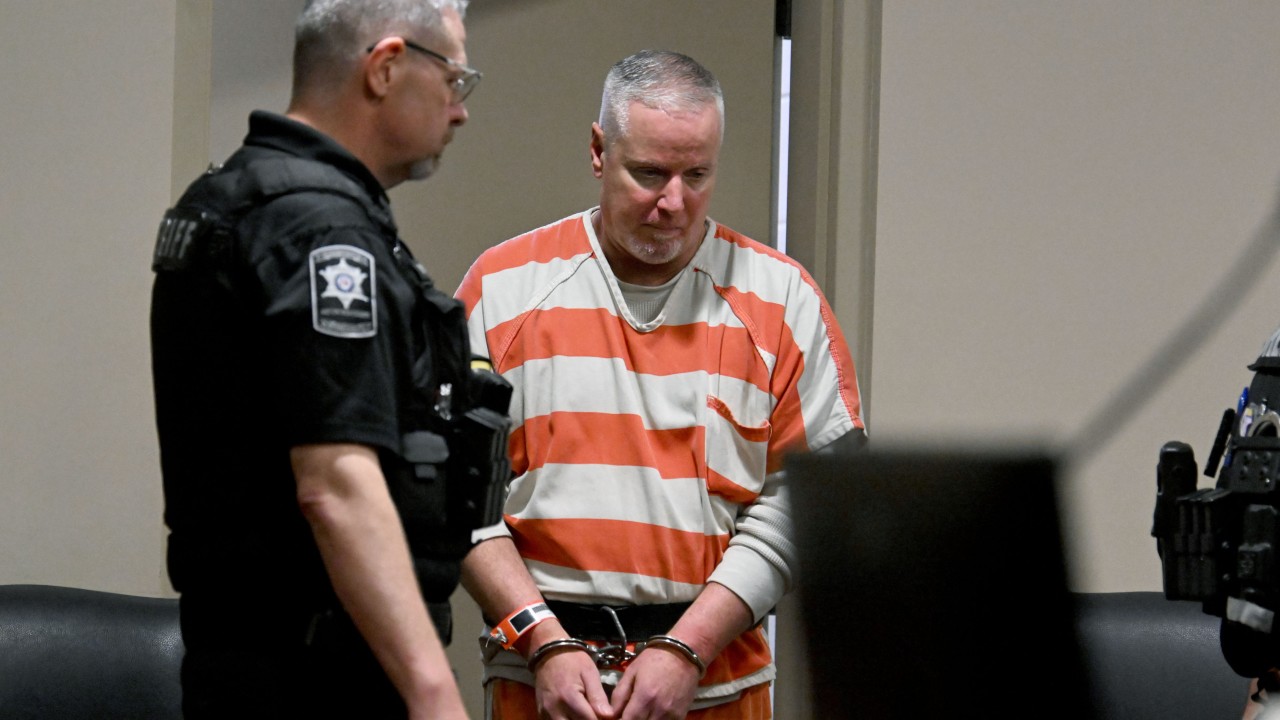
When a father hands a semi-automatic weapon to a troubled teenager, the consequences can become catastrophic. That is exactly what happened in Michigan. A jury and a judge decided that the father's negligence wasn't just bad parenting. They ruled it was a crime.
When a father received a 15-year prison sentence for involuntary manslaughter, it marked a legal turning point. For decades, mass shootings by minors were viewed solely through the lens of the shooter's individual culpability. We blamed video games, mental health systems, or school security failures. We rarely looked inside the family home at the adults who bought the bullets and handed over the barrel.
This case shatters that precedent. It forces a brutal reckoning on gun safety, parental responsibility, and the legal lines dividing bad judgment from criminal recklessness.
The Case That Rewrote Legal Boundaries
Let's look at the facts. The defendant bought his son a 9mm SIG Sauer handgun as an early Christmas gift just days before the tragic shooting at Oxford High School. Prosecutors didn't just show that he bought the gun. They proved a pattern of staggering indifference. School staff had flagged severe behavioral red flags from the teenager hours before the shooting. The parents were called in, urged to get their son immediate mental health support, and asked to take him home.
They refused. They left him at school. They left the gun accessible.
When you purchase a lethal weapon for a minor and ignore obvious cries for help, the law is shifting to say you share the blame. The sentence wasn't about punishing bad parenting styles. It was about criminal negligence. The father failed to secure the firearm properly. He ignored glaring warning signs that his son was a danger to himself and others.
Justice demanded accountability. The court delivered a message that resonates across every household with unsecured firearms.
Why This Sentence Changes Gun Ownership Culture
For years, gun advocates pushed the mantra that responsible gun owners are the solution to gun violence. But responsibility has an operational definition. It means locking up your weapons. It means monitoring your kids. It means listening when educators tell you your child is a danger.
Many gun owners treat firearms like household appliances, leaving them on nightstands or in unlocked drawers. That casual attitude is over.
When prosecutors secure a 15-year prison sentence for a parent who failed to lock up a weapon, the legal risk profile changes drastically. It creates a powerful deterrent. Gun safety advocates have argued for safe storage laws for years, but criminal prosecutions bring teeth to those arguments. If you give an unstable minor access to a lethal weapon, you might end up in a prison cell right next to them.
That realization changes behavior faster than any public service announcement ever could.
The Difficult Questions About Mental Health and Blame
Critics of the verdict argue that parents shouldn't be held psychic. They claim parents can't predict what a deeply disturbed teenager will do. They worry this opens a dangerous floodgate where grieving parents face prosecution for tragedy they didn't directly cause.
That argument misses the core of the prosecution's case. This wasn't about an unpredictable tragedy. This was about extreme, willful blindness.
The warning signs were screamingly loud. The school administrators practically begged the parents to intervene. Instead, the father went home and left the weapon unsecured. When you ignore explicit threats of violence and provide the tools to execute them, you cross the line from unfortunate victim of circumstance to active participant in the chain of events.
Society expects a baseline duty of care from parents. When you fail that duty so catastrophically that multiple children lose their lives, the criminal justice system has an obligation to step in.
What Every Gun-Owning Family Must Do Right Now
If you own firearms and live with children or teenagers, you need to change how you operate today. Laws are tightening, and prosecutors are watching.
Secure your weapons immediately. Buy a biometric safe, a heavy-duty lockbox, or a cable lock. Keep the ammunition stored in a completely separate, secure location. Never assume your teenager is too mature or too stable to touch a weapon without permission. Adolescence is volatile. Mental health struggles can escalate overnight.
Pay attention to behavioral shifts. If teachers, counselors, or friends express concern about your child's state of mind, take it seriously. Do not dismiss it as teenage angst.
The legal shield protecting negligent parents has cracked. Ignorance and poor judgment are no longer defenses against the devastating reality of unsecured firearms in the hands of troubled kids. Protect your family, lock your weapons, and take responsibility before the courts force you to do it from a prison cell.

/GettyImages-157526585-93425538070d4422ad42d22af28c0758.jpg)