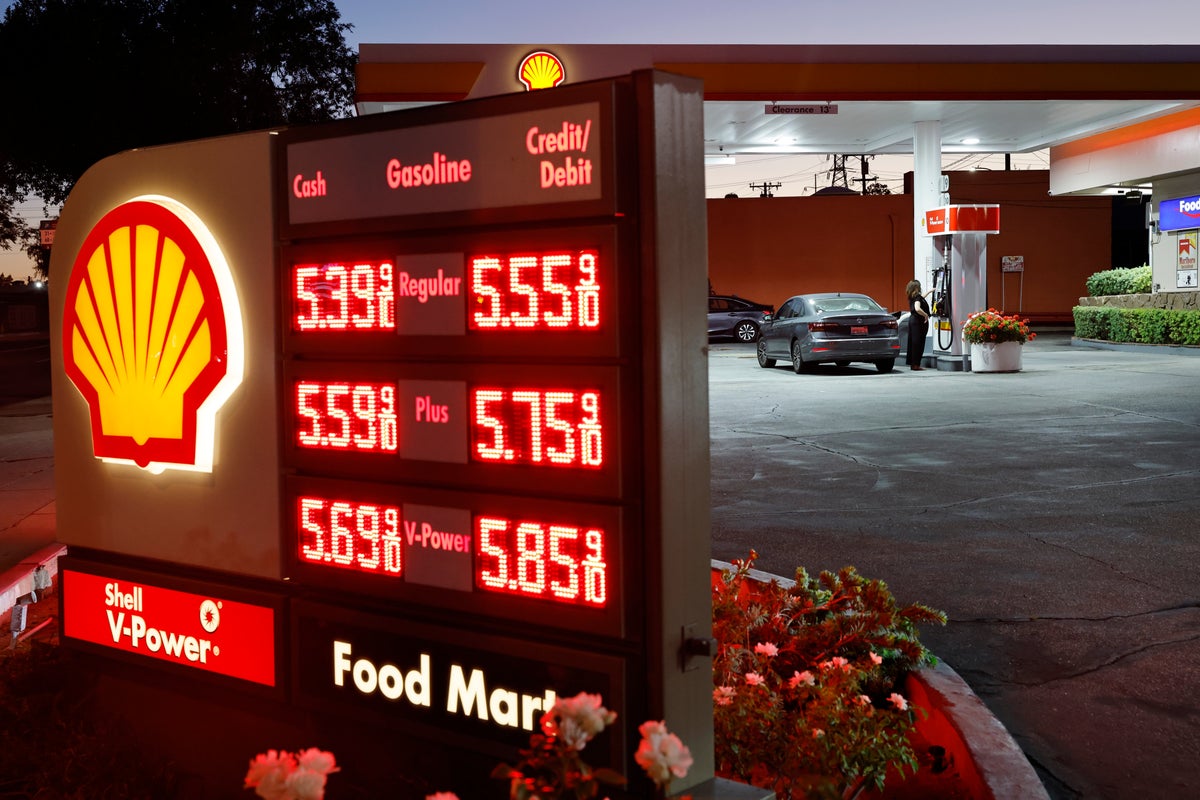
You pull up to the local station, watch the numbers spin past four dollars a gallon, and feel that familiar wave of frustration. Americans are feeling serious pump pain right now. Regular unleaded gasoline sits roughly thirty percent higher than it did when Donald Trump took office for his second term, creating a political and economic headache that refuses to go away.
When international conflicts disrupt crude oil flows through critical choke points like the Strait of Hormuz, fuel costs soar. The administration promised an era of cheap energy, but geopolitical realities have collided hard with domestic production. Drivers are paying the price, and the White House is scrambling for fresh levers to pull.
The Battle Between Washington and Big Oil
President Trump recently took direct aim at major energy companies like ExxonMobil and Chevron, publicly demanding that they cut retail fuel prices. During a fiery White House appearance, he pointed out that these petroleum giants pulled in massive profits during the second quarter—raking in billions while consumers struggle with everyday expenses.
Trump didn't mince words. He called out corporate profits explicitly. He insisted that these firms need to give some of that cash back to the public by lowering retail costs at the pump.
Oil executives, however, push back against the pressure. Industry groups and company leaders argue that individual producers don't set retail prices. They point out that global supply and demand dictate market rates, and high refining margins combined with elevated crude costs drive what you pay locally. Even so, the political theater highlights a desperate administration trying to shift blame and force relief.
Looking Beyond the Rhetoric
Beyond public scoldings of oil CEOs, the administration is weighing regulatory adjustments. Officials are looking closely at extending the Jones Act waivers to help move domestic fuel more efficiently across coastal shipping lanes. Every little adjustment matters when logistics bottlenecks inflate regional prices.
Yet, consumers care very little about bureaucratic acronyms or political blame games. They care about what happens when they swipe their debit cards. With household budgets stretched thin across groceries, housing, and transportation, spending over four dollars a gallon breaks the monthly math for millions of working families.
Critics in Congress argue that executive policies and foreign conflicts initiated or mishandled by the White House are the root cause of the spike. Lawmakers have floated windfall profit taxes and consumer rebate bills, though those face steep legislative hurdles.
If you're trying to manage your own fuel budget right now, waiting for Washington to fix the problem is a losing strategy. Track local price trends using mobile apps, optimize your driving habits to squeeze extra miles out of every tank, and take advantage of grocery reward fuel points whenever possible. The pump pain is real, and relief will likely come slowly.


.png?width=1200&auto=webp&trim=0%2C0%2C0%2C0)