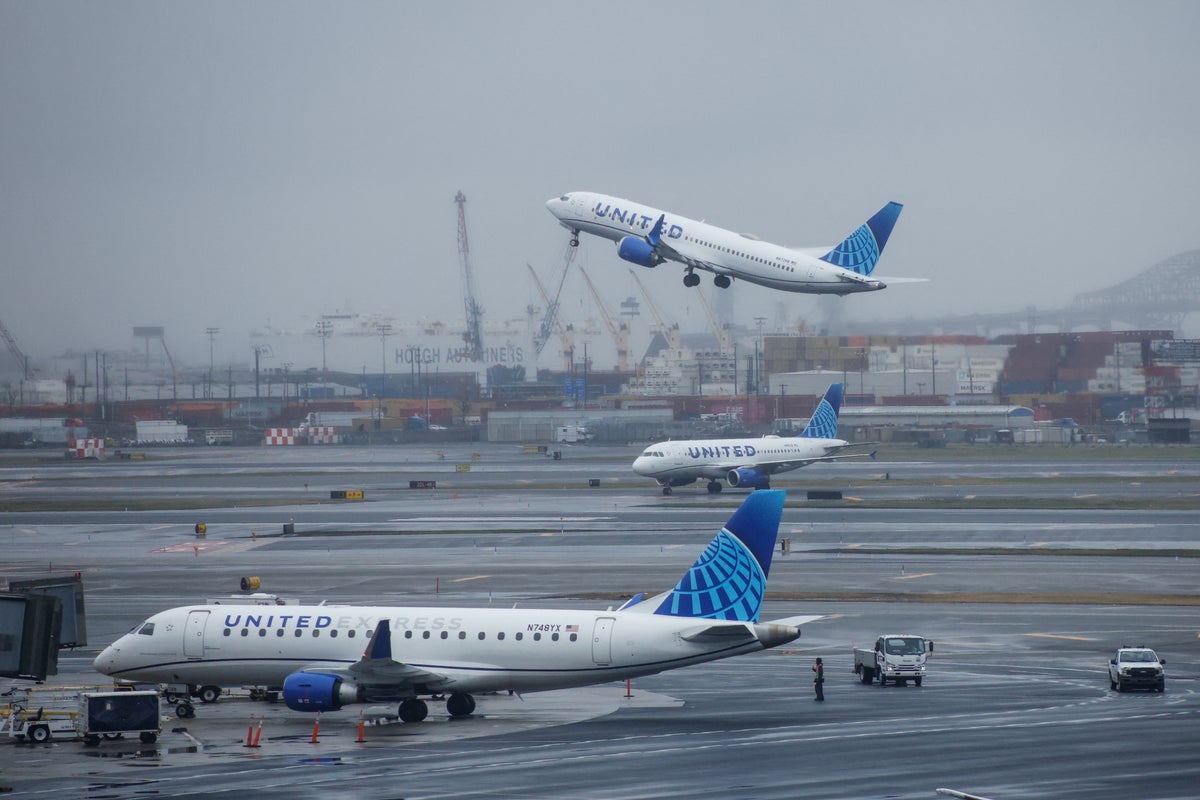
The Federal Aviation Administration is actively deploying machine learning tools to predict and prevent near-collisions on American runways. Amidst a worrying spike in runway incursions, aviation officials claim that predictive software can catch human errors before they turn into catastrophes. However, an examination of the underlying technology reveals that this automated patch cannot fix the systemic vulnerabilities plaguing the national airspace. The initiative relies on commercial data feeds to flag high-risk flight paths, yet it fundamentally fails to address the critical staffing shortages and decaying physical infrastructure that cause these close calls in the first place.
The Mirage of Automated Safety
The push toward automation sounds reassuring to a nervous flying public. Software programs can scan millions of data points in milliseconds, calculating trajectories far faster than any human supervisor sitting in a tower.
The reality on the tarmac is vastly different. Air traffic control is not a chess game with fixed rules; it is a fluid environment influenced by sudden weather shifts, equipment failures, and human fatigue. Current predictive systems look backward. They analyze historical flight paths, arrival times, and taxi patterns to build statistical models of risk. When an anomaly occurs, the system flags it.
The fatal flaw lies in the nature of these anomalies. A machine learning model trained on standard operating procedures struggle when confronted with rare, chaotic events. Consider a hypothetical example where an aircraft loses radio communications simultaneously with a sudden wind shear event while a baggage cart stalls on an active taxiway. A human controller relies on intuition, visual cues, and decades of shared tribal knowledge to resolve that specific chaos. An algorithm, lacking real-world context, merely calculates a probability vector. By the time the software registers that an event falls outside normal parameters, the metal is already twisting.
The True Culprit is Not Data Scarcity
The FAA investment in new software diverts attention from a glaring, material crisis. The United States air traffic control system is running on empty.
Air Traffic Controller Staffing Deficit (Estimated)
+-------------------------+-------------------------+
| Required Workforce      | Active Certified Personnel|
+-------------------------+-------------------------+
| ~14,000                 | ~11,000                 |
+-------------------------+-------------------------+
For years, the government has underfunded the human element of aviation safety. Certified professional controllers are regularly forced into mandatory six-day workweeks, logging 10-hour shifts that shatter normal sleep cycles.
Fatigue alters perception. It slows reaction times and degrades situational awareness. When a controller has been monitoring a glowing radar screen for nine hours straight, their ability to spot a misaligned aircraft diminishes significantly. No amount of predictive software can fix a tired brain. If the terminal radar approach control room is short-staffed, an automated alert simply becomes another ringing bell in an already overwhelming acoustic environment. The warning sounds, but the operator is too exhausted to process the correction safely.
The Problem with Alert Fatigue
Introducing more automated warnings into air traffic control towers often yields an unintended consequence known as alert fatigue. Controllers already manage a symphony of audio alarms, flashing lights, and digital strips.
When engineers introduce predictive software, they tend to set the safety thresholds tightly to avoid missing a genuine disaster. This hypersensitivity causes a flood of false positives. If an aircraft taxis slightly closer to a runway hold-short line than usual, the system screams. After hearing fifty false alarms during a single shift, a controller naturally begins to tune out the noise. The human brain prioritizes immediate, visible threats over digital warnings that cry wolf.
The Broken Infrastructure Underneath the Code
Software requires accurate input to generate meaningful output. In many American airports, the hardware capturing this data belongs in a museum.
The backbone of ground safety is the Airport Surface Detection Equipment, Model X (ASDE-X), along with newer surface surveillance systems. These setups utilize surface movement radar and multilateration sensors to track aircraft positions on the ground. However, many mid-sized commercial airports lack these advanced ground radar systems entirely. They rely on visual line of sight from the tower and standard voice reports from pilots.
Where the hardware is missing, the new predictive software is effectively blind. It must rely on secondary commercial data feeds, such as Automatic Dependent Surveillance-Broadcast (ADS-B) transmissions sent directly from the aircraft. While ADS-B is highly accurate in the sky, its signal reliability can degrade on the ground due to hangar interference, physical terrain, and airport buildings. Feeding compromised, low-resolution ground data into an advanced predictive model is an exercise in futility. The system outputs flawed predictions because it ingests flawed telemetry.
The Industry Monopolies Shaping the Upgrade
The business of aviation procurement is notoriously insular. A handful of massive defense and tech contractors dominate the space, securing long-term, multi-million-dollar agreements to update federal systems.
These legacy vendors build proprietary ecosystems. When the government requests an automated upgrade, these corporations often lock the agency into restrictive software licenses. This makes it incredibly difficult to integrate third-party tools or adapt the software quickly to emerging threats. The procurement cycle for federal aviation technology takes years, sometimes a decade, from initial proposal to field deployment.
By the time a specific machine learning model passes through the gauntlet of federal certification, the underlying software architecture is already obsolete. The tech industry moves at a breakneck pace, but aviation bureaucracy operates on a generational timeline. We are left deploying yesterday's computing solutions to solve tomorrow's traffic congestion.
The Accountability Vacuum
When an automated system assists a human in making a critical decision, a gray area emerges regarding who is responsible when things go wrong.
If a near-miss occurs because an algorithm failed to predict a conflict, the blame invariably falls back on the human operator. The controller is told they should not have relied blindly on the automation. Conversely, if the system issues an alert and the controller ignores it because they believe it to be a false positive, they are faulted for bypassing safety protocols. This creates an impossible environment for workers.
Automation should reduce cognitive load, not increase legal liability. The current implementation strategies do not clearly define where the machine's authority ends and human command begins. This lack of clarity slows down decision-making during critical seconds when an aircraft is accelerating down a runway toward an intersecting path.
Fixing the System From the Ground Up
Placing a digital band-aid on a structural wound will not keep airplanes apart. True systemic safety requires a complete realignment of federal priorities, focusing on tangible assets rather than speculative tech fixes.
The immediate step must be a massive, aggressive hiring and training campaign for air traffic controllers. The FAA must modernize its academy training pipelines and offer competitive compensation to attract and retain specialized talent. Reducing the mandatory workweek back to a standard 40 hours will do more to eliminate near-collisions than any algorithm ever could.
Simultaneously, the physical infrastructure of the nation's runways demands immediate investment. Every commercial airport handling passenger jets must be equipped with localized, high-definition ground radar installations. Runways require clearer physical geometry, brighter embedded lighting systems, and standardized taxiway layouts that minimize pilot confusion during low-visibility operations.
Data analytics can serve as a valuable tool for reviewing post-flight trends and optimizing long-term traffic flow through the sky. But when two commercial airliners are hurtling toward each other on a foggy runway at midnight, safety depends entirely on a well-rested, clear-headed human operator looking through functioning equipment. Turn off the corporate marketing presentations, fund the control towers, and rebuild the concrete foundations of the airspace. Ensure the human beings in the tower have the physical tools and the mental clarity to do the job they were hired to perform.