The refrigerator always dies first with a soft, defeated click. Then comes the silence.
In Havana, silence isn’t peaceful; it is a physical weight. It means the ceiling fans have stopped spinning. It means the water pumps in the basements have lost their pulse. Within minutes, the humid Caribbean heat thickens, pressing into living rooms and turning concrete apartments into ovens.
For Alejandro, a forty-two-year-old mechanic living in the Santos Suárez neighborhood, that silence is the cue to start checking his watch. He calculates how many hours the thawed pork in his tiny freezer has left before it spoils. He thinks about his elderly mother’s insulin, nestled against a rapidly melting block of ice. This isn't a temporary inconvenience. This is a country running out of its lifeblood.
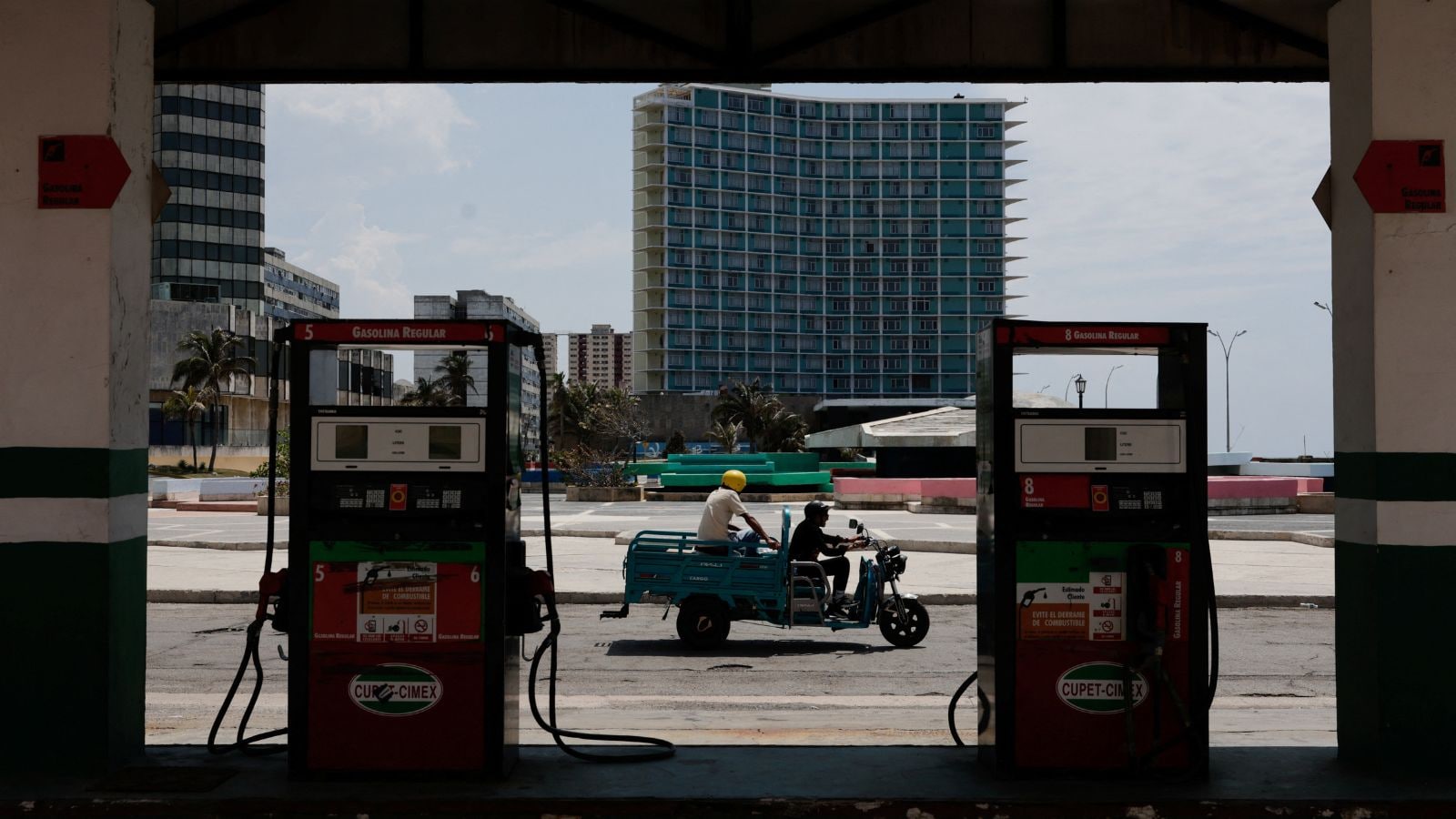
Cuba is facing an unprecedented energy paralysis, a crisis triggered not by a sudden natural disaster, but by a tightening economic stranglehold. The island has effectively run out of diesel and fuel oil. The immediate cause is a relentless US oil blockade, a embargo designed to choke off external supplies and isolate the nation.
But geopolitics feel incredibly distant when you are sitting in the dark, wondering if you can cook dinner.
The Friction of a Drying Pipeline
To understand how a nation of eleven million people reaches a breaking point, you have to look at the mechanics of isolation. Cuba’s energy infrastructure is a fragile ecosystem. The island relies heavily on imported fuel to feed its thermoelectric plants and the distributed network of diesel generators that keep the lights on during peak hours.
Historically, Venezuela was the guarantor of this system, sending steady shipments of crude and refined products. But Venezuela’s own production struggles, combined with aggressive US sanctions targeting shipping companies, insurers, and vessels that dare to carry oil to Cuban ports, have choked that pipeline to a trickle.
Consider what happens next: a tanker carrying thousands of tons of fuel oil idles in international waters. The ship’s captain wants to dock, but the maritime insurance company, fearing massive US Treasury fines, revokes coverage. The shipping line faces blacklisting. The tanker turns around. On the docks of Havana and Santiago, the storage tanks remain empty.
The numbers tell a stark story, but the math is simple. Cuba requires roughly 8 million tons of fuel annually to function normally. It produces less than half of that domestically, mostly a heavy, sulfur-rich crude that its aging refineries struggle to process efficiently. The deficit must be imported. When the imports vanish, the grid collapses.
The Cuban government recently confirmed that fuel availability has dropped to less than thirty percent of normal levels. This isn't a shortage that requires a bit of conservation. It is an absolute deficit that forces authorities to make impossible choices. Do you send the remaining diesel to an agricultural province to harvest food, or do you send it to a power plant to keep a hospital running in Matanzas?
The Anatomy of the Blackout
Living through this is a masterclass in psychological endurance.
In the provinces outside the capital, like Villa Clara or Holguín, the blackouts are no longer measured in hours, but in days. Life becomes entirely decentralized. People plan their entire existence around the apagón. You wash clothes when the power flickers on at 3:00 AM. You charge your phone at a neighbor's house who happens to have a small, sputtering gasoline generator.
The streets change character. Without streetlights, the night is absolute. Headlights from passing classic cars—themselves running on fumes and ingenuity—slice through the darkness, illuminating people sitting on doorsteps, trying to catch a stray breeze from the ocean.
The economic toll is devastating, but it’s the human friction that wears people down. Tourism, the economic engine of the island, stumbles. Resorts use massive backup generators, but even those require diesel. When the fuel runs dry, the generators fail, leaving travelers stranded in luxury hotels without air conditioning or running water. The message sent to the world is clear: the island is closing down, not by choice, but by starvation of resources.
Yet, there is an incredible, almost heartbreaking resilience in the way people adapt.
Alejandro’s garage is a testament to survival. Lacking spare parts and fuel, he has converted his workshop into a repair hub for bicycles and electric scooters. "We are a country of alchemists," he says, wiping grease from his hands. "We turn nothing into something every single day. But you cannot invent diesel out of thin air. You cannot make a generator run on hope."
The Invisible Stranglehold
The debate around the US embargo often plays out in academic halls and political arenas as an abstract discussion on foreign policy. Proponents argue it pressures the government; critics call it collective punishment.
But the reality on the ground is devoid of ideology. It is a grinding, mechanical pressure. The embargo prevents Cuba from using the US dollar in international transactions, making every fuel purchase an agonizingly complex web of third-party banks, inflated interest rates, and secret agreements. A cargo of oil that might cost a neighboring island $50 million ends up costing Cuba significantly more because of the "risk premium" demanded by sellers willing to defy Washington.
It is a slow-motion siege. The United Nations has repeatedly voted to condemn the embargo, with overwhelming global consensus stating that the policy disproportionately harms civilians. The current fuel crisis is the apex of this strategy. By cutting off diesel, the policy hits the most vulnerable sectors of society: public transport, food distribution, and water sanitation.
Without diesel, the trucks that bring yuca and plantains from the countryside to the markets of Havana stop moving. The price of food skyrockets. The pumps that distribute drinking water to high-rise apartments lose pressure. People are left to carry heavy buckets up ten flights of stairs in the dark.
The Weight of the Uncertain
It is easy to look at Cuba from the outside and see only the postcards—the colorful buildings, the vintage cars, the swaying palms. But look closer, past the facade, and you see a population caught in the gears of a geopolitical conflict they did not create.
The subject of Cuba’s future is terrifyingly uncertain. Will another ally step in to fill the void? Will Mexico or Russia send enough tankers to stabilize the grid? Or is this the beginning of a prolonged dark age for the island’s infrastructure? No one knows. The government announces temporary fixes, a patch here, a diverted shipment there, but the fundamental problem remains unsolved. The tap has been turned off.
As the sun sets over the Malecón, the famous seawall where Havanans gather to escape the heat of their homes, the city prepares for another night of darkness. The ocean crashes against the stone, timeless and indifferent to the struggles of the land.
Alejandro sits on his porch, listening to the distant, rhythmic thrum of a lone generator blocks away. It sounds like a failing heartbeat. He looks up at the sky, brilliantly clear because there is no city light pollution to hide the stars. It is beautiful, and it is tragic. He clicks his flashlight off to save the batteries, settling into the warm, heavy dark, waiting for a dawn that promises no change.