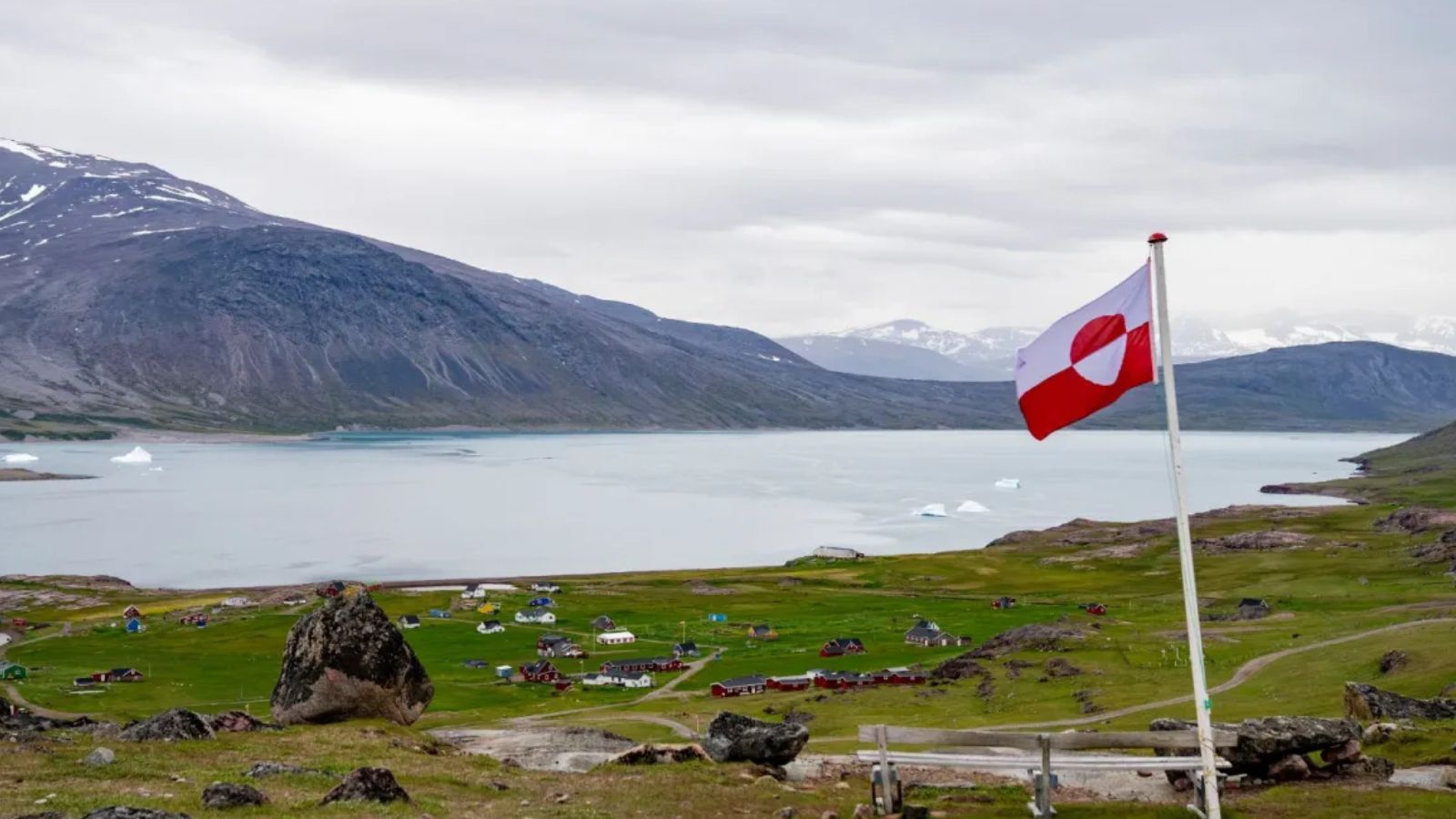
When an upstart Texas oil firm decides to skip local permits and start dropping heavy industrial equipment onto an Arctic coastline, people notice. When that same firm has deep ties to Donald Trump's political orbit, an environmental dispute instantly transforms into a high-stakes geopolitical showdown.
Greenlandic authorities didn't mince words when they caught Greenland Energy moving containers ashore in the remote Jameson Land region without proper clearance. They issued a sharp warning, drawing a hard line in the snow. This mess isn't just about unauthorized cargo. It sits right at the intersection of Arctic fossil fuel ambitions, local sovereignty, and the ongoing saga of Washington's eye on the world's largest island.
The Playbook Behind Greenland Energy
Let's look at who is actually driving this initiative. Greenland Energy popped up as a corporate entity just last year. Despite its brief history, the Texas-based firm claims that up to one trillion dollars worth of crude oil is sitting beneath Jameson Land. That kind of figure makes companies bold, sometimes too bold for their own good.
The firm wants to drop an initial exploratory well to see if the hype holds up, partnering with the British outfit 80 Mile which already holds older exploration rights in the area. But ambition doesn't replace authorization.
What raised immediate red flags in Nuuk and Copenhagen wasn't just the drilling proposal itself. It was the personnel. Chairman Larry Swets brings close connections to the broader political network surrounding Donald Trump. The company also hired a U.S. Navy veteran tied to the proposed Golden Dome missile defense initiative—a project where advocates claim direct control over Greenland is essential.
Communication Breakdown Or Strategic Push
Mistakes happen in logistics, but the rollout of this operation has been messy from day one. Representatives told local residents at a community meeting in Jameson Land that they already had the green light to bring in heavy gear. That statement was entirely false.
When caught, the company blamed its own enthusiasm, admitting it created unnecessary confusion. Yet, shortly after that apology, locals spotted a tugboat and barge unloading a dozen containers of equipment right onto the eastern coast.
That move forced the government's hand. Officials stated clearly that any future logistics must secure prior approval from the mineral resources authority. At the same time, authorities noted that forcing the immediate removal of the unauthorized gear already on the beach would be disproportionate while paperwork crawls through review.
The Shadow of Annexation Rhetoric
You cannot look at this corporate friction without zooming out to the broader geopolitical climate. Donald Trump has repeatedly floated the idea of the United States acquiring or taking greater control of Greenland for national security reasons. Just days after Greenland issued its warning to the oil firm, Trump posted an image on Truth Social depicting himself towering over a Greenlandic village alongside the words "hello Greenland".
While Greenland Energy's leadership denies any coordination with state annexation plans, the optics are explosive. Critics and geopolitical analysts view unauthorized industrial maneuvers as a testing of boundaries. If a private American company can land equipment on sovereign Arctic territory without regulatory sign-off, it sets a dangerous precedent.
Greenland officially halted the issuance of new oil exploration licenses back in 2021 specifically to protect its fragile environment. Furthermore, the target area in Jameson Land overlaps with conservation protections under the Ramsar Convention, an international treaty safeguarding vital wetlands. Local leaders face an impossible balancing act. They want economic self-sufficiency, but they cannot afford to look weak against foreign commercial pressure or external political coercion.
The company insists that recent high-level talks with regulators have been constructive, scaling back its immediate drilling targets from two wells down to one. Even so, with a larger vessel carrying hundreds of additional containers reportedly queued up to leave Canada, the standoff in the Arctic is far from over. Greenland has made its rules explicit, and the next move belongs to a corporate entity operating under an intense international spotlight.



/getty-brown-bear-56afcf215f9b58b7d01d5195.jpg)