The asphalt in Seville was soft enough to swallow the heel of a shoe. It was July, and the air did not move; it simply sat heavy and baking over the stone plazas, smelling faintly of toasted dust and scorched oleander. Elena watched her four-year-old daughter press her palms against the cool glass of an air-conditioned pharmacy window, refusing to take another step down the blinding white street. The thermometer hanging outside the café read forty-four degrees Celsius.
That was the exact afternoon Elena canceled the beach house rental in Alicante.
For generations, the cultural rhythm of Europe was absolute. When the school bell rang for the final time in June, millions packed their bags and surged southward. They flooded the coasts of Spain, the islands of Greece, and the sun-bleached shores of southern Italy. The Mediterranean was the undisputed altar of summer. Pilgrims of leisure chased bronze tans and salt water, enduring gridlocked autostradas and crowded boardwalks as the price of admission to paradise.
The climate changed the math.
Now, the southward migration is stuttering, reversing, and scattering across the map. Travelers are looking at traditional summer hotspots not with eager anticipation, but with weather app paranoia. Heat advisories stretch from Andalusia to Athens. Historic monuments restrict visiting hours because the marble absorbs and traps lethal solar radiation. Tourists pass out on the steps of the Acropolis.
Consider what happens next: the map redraws itself.
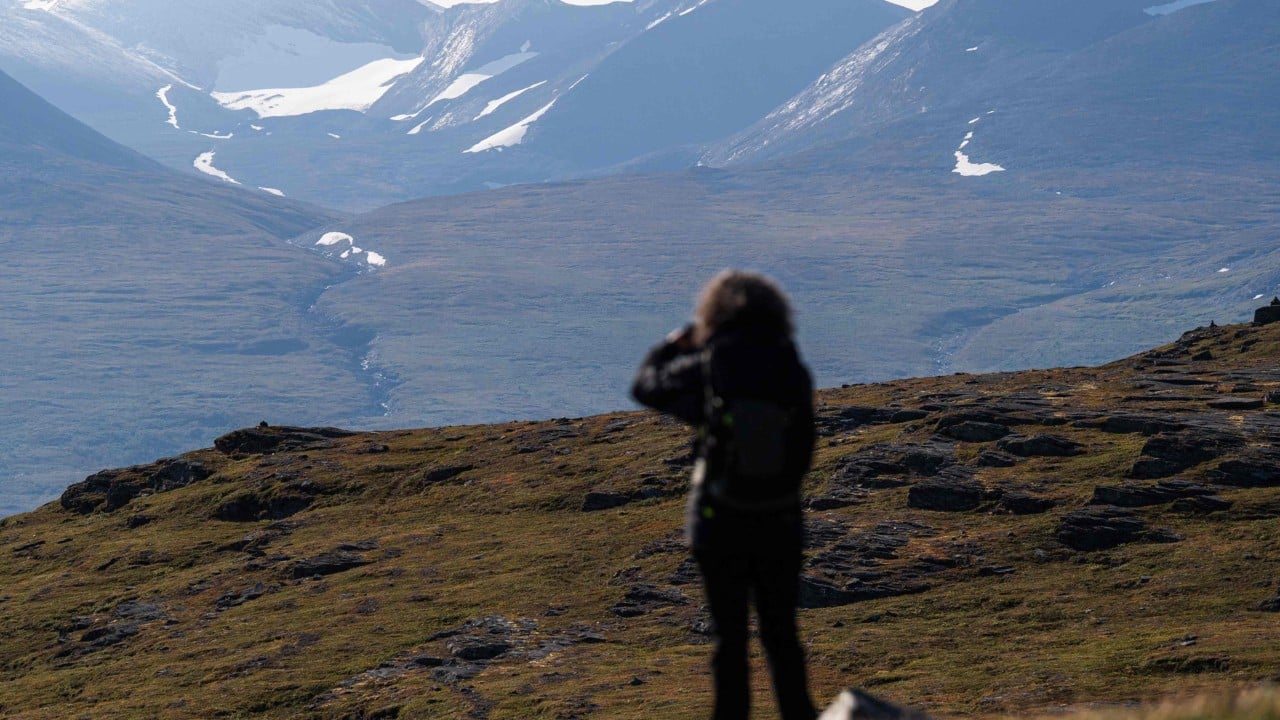
While the south gasps for breath under relentless heat domes, a quiet, cooler frontier is emerging. In the Scandinavian archipelagos, along the Baltic shores of Poland and Germany, and deep into the pine-scented lake districts of Finland, license plates from France, Germany, and the UK are beginning to crowd narrow country lanes.
This is not a temporary marketing campaign by northern tourism boards. This is a profound behavioral shift driven by survival and comfort. When a family holiday costs thousands of euros, nobody wants to spend it locked inside a dark hotel room with the blinds drawn, waiting for a sun that feels less like a gift and more like a hazard to finally dip below the horizon.
Elena found a small wooden cabin outside Rovaniemi, far north of the Arctic Circle, where July temperatures hover comfortably in the low twenties and the sun lingers lazily in a pale blue sky for twenty hours a day. She packed fleece jackets instead of bikinis. She worried, briefly, that she was making a mistake. Summer was supposed to mean cicadas and blistering sand.
Instead, she found silence.
The phenomenon is reshaping local economies with astonishing speed. Small towns in Sweden and Norway that previously relied solely on winter ski seasons are scrambling to hire summer staff. Paddleboard rentals replace snowmobile rentals. Hiking trails that once saw a handful of local enthusiasts are now meticulously mapped and guided for international visitors seeking refuge from the southern blaze.
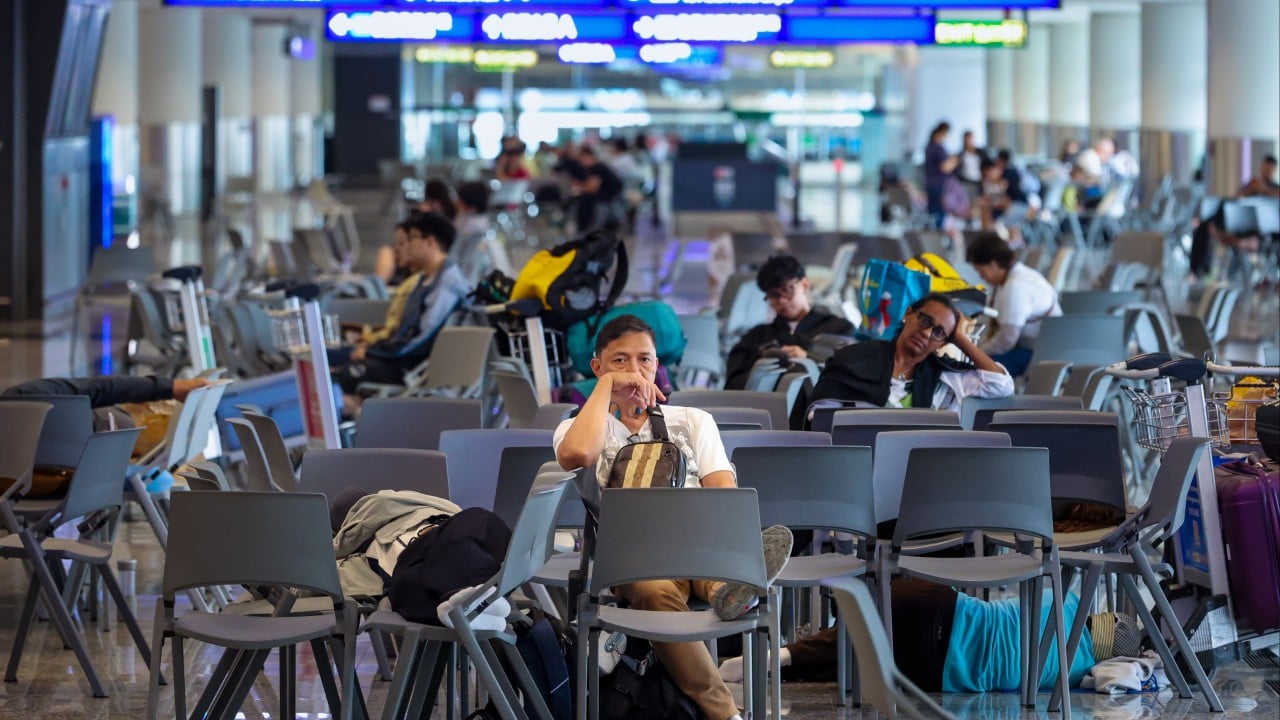
Airports in cities like Stockholm, Oslo, and Helsinki are reporting record summer arrivals. Conversely, hoteliers in southern Spain and southern Italy are noticing a distinct softening of July and August bookings, even as shoulder seasons like May and October experience a surge. The traditional peak season is migrating. It is splitting apart, forced to adapt to a reality where extreme heat makes peak southern summers untenable for outdoor recreation.
There is a strange melancholy to this geographic realignment. The old rituals of European summer are fading. The crowded Mediterranean beach towns are facing a future where their high season might shift entirely to autumn and spring, leaving mid-summer as a quiet, scorched ghost town. Local businesses geared toward the July rush are forced to rethink their entire operational models.
Yet, human resilience always carves new paths.
As Elena sat on the porch of her Finnish cabin, watching her daughter chase moss-dappled rocks along the edge of a glass-still lake at nine o'clock in the evening under a golden, slanting light, the old definition of summer dissolved entirely. It was quiet. It was cool. The air tasted like pine and clean water. The sweat and exhaustion of the southern city felt like a lifetime away.
The map of human desire follows the path of least resistance, and right now, that path points straight toward the pole. The great northern migration has begun, and the summer will never look the same again.