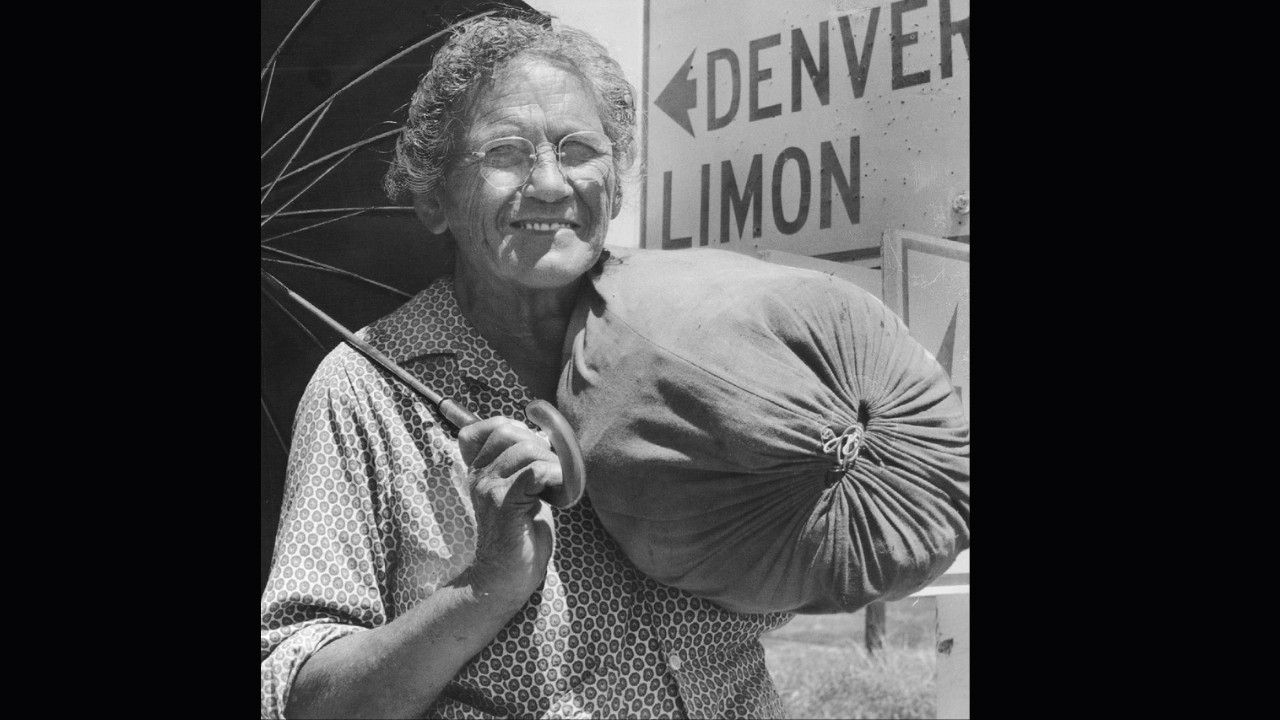
Most people quit when things get uncomfortable. Emma Gatewood got lost in the Maine wilderness at age 65, broke her glasses, and had forest rangers haul her off the mountain. Most sane individuals would take that as a clear sign to stay home, garden, and knit.
Two years later, she came back. At 67 years old, she walked all 2,190 miles of the Appalachian Trail entirely alone.
History remembers her as Grandma Gatewood. But looking at her only as a folksy grandmother misses the sheer grit of what she actually pulled off. She didn't use titanium cookware, carbon fiber trekking poles, or a multi-thousand-dollar waterproof tent. She carried a denim sack over her shoulder and wore sneakers.
The Misconception of Modern Survival Gear
Step into any outdoor retailer today and you will be convinced that walking in the woods requires a small mortgage. Sales associates will tell you that you need a high-tech shelter, an advanced water filtration pump, and a moisture-wicking wardrobe.
Gatewood laughed at all of that. Before her historic 1955 trek, she read a magazine article about the trail and assumed it would be a pleasant walk through nature. It wasn't. The paths were overgrown, shelters were burned down or missing, and blowdowns blocked the way.
Instead of turning back, she adjusted. Her pack contained a plastic shower curtain for shelter, a flashlight, a Swiss Army knife, and canned Vienna sausages. For footwear, she relied on simple cotton-top sneakers, chewing through about seven pairs before reaching the end.
"This is no trail. This is a nightmare," she later told reporters. Yet, she refused to quit.
Escaping a Brutal Reality
To understand why a 67-year-old great-grandmother walked across mountains with a denim bag, you have to look at what she was leaving behind. Gatewood's early life was defined by extreme hardship. She raised eleven children and endured decades of violent domestic abuse.
After finally securing a rare divorce in 1940, she had to rebuild her life from scratch. By the time her children were grown, she wanted freedom. The woods weren't a terrifying unknown to her. They were a sanctuary. She grew up doing hard farm labor in Ohio. She knew edible plants, animal tracks, and how to sleep on a bed of leaves without complaining.
When she told her adult children she was going for a walk, she didn't mention she was heading to Georgia to walk the entire length of the eastern United States. She knew they would try to stop her. So she just went.
What Hikers Get Wrong Today
Modern backpackers often obsess over ounces, spending hours debating gear weights while sitting at a desk. Gatewood proved that physical endurance and mental stubbornness matter infinitely more than equipment.
She walked roughly fourteen miles a day. When night fell, she slept on picnic tables, in abandoned barns, or relied on the hospitality of strangers who took pity on an eccentric old woman wandering through their towns.
She wasn't trying to set an extreme sports record or launch an outdoor blog. She just wanted to see what was over the next ridge. When she finally reached the summit of Mount Katahdin in Maine in 1955, her face was bruised, her ankle was sprained, and her glasses were broken again. She stood at the top and sang "America the Beautiful".
She didn't stop there. She walked the entire trail a second time at age 70, and completed it a third time in sections when she was 76.
If you are waiting for the perfect weather window, the ideal gear setup, or permission from society to tackle a hard goal, stop. Pack light, lace up whatever comfortable shoes you have, and step outside.