An old man stands at a bustling intersection in Lahore, squinting through the smog and the neon glare of modern storefronts. In his hand, he holds a faded slip of paper from 1946, an address scribbled in his grandfather’s elegant Urdu script. The paper says Ram Gali. But the sleek, green metal sign above him reads something entirely different.
For nearly eight decades, navigating this city has required a strange kind of double vision. You see the official name stamped by bureaucrats, but you speak the name whispered by history. Meanwhile, you can explore other developments here: Why airlines keep losing human remains and how to protect your loved ones ashes.
Cities are not just concrete, asphalt, and steel. They are living archives of human memory. When you change the name of a street, you aren't just updating a map. You are performing a slow, quiet erasure of the people who once walked it, loved there, and built its foundations.
For generations, the Punjab government in Pakistan followed a predictable post-colonial script. They scrubbed away the past. They replaced names that echoed with Hindu, Sikh, or British history, substituting them with titles deemed more politically or culturally aligned with a modern national identity. But memory is stubborn. It bleeds through the paint. To understand the full picture, check out the recent report by Condé Nast Traveler.
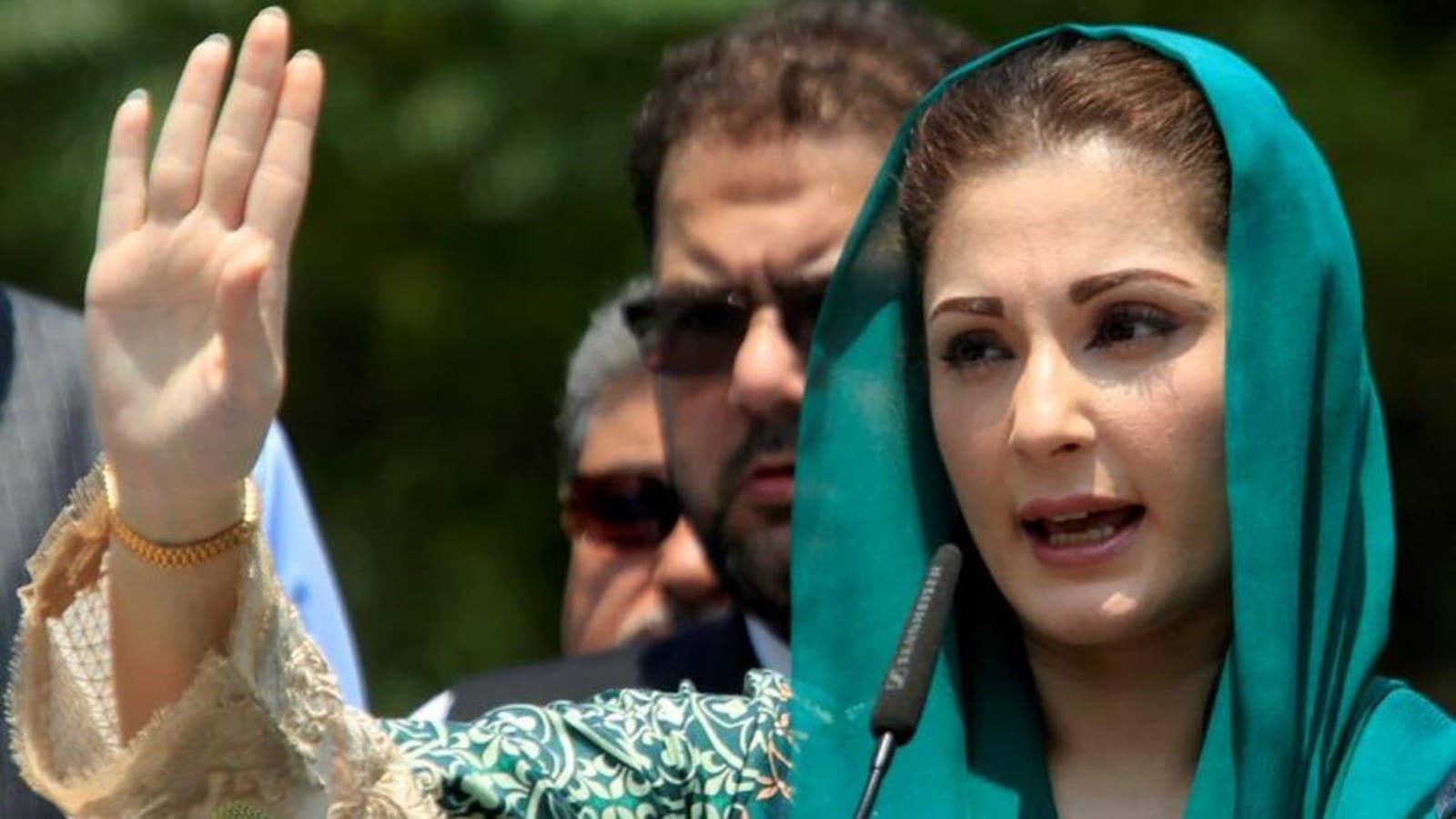
Now, in a remarkable reversal, the Punjab government has announced an initiative to restore the pre-Partition names of Lahore’s historic streets, neighborhoods, and crossroads. It is a decision that goes far beyond urban planning. It is an admission that a city cannot truly know where it is going if it forces itself to forget where it has been.
The Geography of Amnesia
To understand why this matters, you have to understand what Lahore lost in 1947.
The Partition of British India split the Punjab region in two, triggering one of the largest and most violent mass migrations in human history. Millions of Muslims fled west into the newly formed Pakistan, while millions of Hindus and Sikhs fled east into India. Lahore, once a vibrant, pluralistic tapestry of faiths and cultures, changed overnight.
As the dust settled, the new authorities faced a psychological dilemma. How do you build a nation when the physical reminders of the "other" are baked into every brick of your grandest city?
The solution was bureaucratic amnesia.
Krishan Nagar, a bustling neighborhood built by and named after a Hindu deity, became Islampura. Sant Nagar, named after a Sikh saint, was rechristened Devpura and later masked under other names. Roads named after philanthropists, scholars, and merchants who happened to be non-Muslim were systematically rewritten.
Consider the hypothetical story of someone like Amit, whose family built a grand haveli on a lane named after his great-grandfather, a man who funded local clinics open to everyone, regardless of faith. When Amit’s family fled to Delhi in 1947, they left the building. A few years later, the city took the name off the street too. It was as if Amit’s family had never breathed Lahori air.
This wasn't just a Pakistani phenomenon; the same thing happened across the border in India, where Islamic names of cities and streets were, and still are, systematically replaced. It is a universal human impulse to want to control the narrative of the dirt beneath our feet.
But the real problem lies elsewhere. You can change the sign, but you cannot easily change the soul of a place.
The Rebellion of the Vernacular
Ask any rickshaw driver in Lahore to take you to Islampura, and you might get a blank stare or a moment of hesitation. Ask him to take you to Krishan Nagar, and his face lights up. He shifts gears instantly.
Why? Because the people rejected the erasure.
Language possesses an organic resilience that defies government edicts. For eighty years, a quiet rebellion has taken place on the tongue of every Lahori. Parents passed down the true names to their children. Business owners used the old landmarks to give directions. The official maps said one thing; the human heart said another.
This stubborn survival of memory is what makes the government’s new policy so profound. They aren't inventing something new. They are finally catching up to the reality of their own citizens.
The initiative aims to bring back names like Lajpat Nagar, Ganga Ram Mansions, and dozens of others. Sir Ganga Ram, often called the father of modern Lahore, was a Hindu civil engineer who designed the city’s most iconic architectural wonders, including the Lahore Museum, the General Post Office, and the Aitchison College. To scrub his name from the streets he literally drew into existence was a form of cultural patricide.
Restoring these names is a vulnerable admission by the state. It acknowledges that Lahore’s greatness does not belong to a single group, era, or religion. Its greatness is a collective inheritance.
The Invisible Stakes of Remembering
It is easy to look at this policy and dismiss it as mere nostalgia. Critics might argue that Pakistan faces pressing economic challenges, inflation, and infrastructure deficits. Why spend time and resources on metal signs and historical sentimentality?
The answer lies in the psychological health of a society.
When a community is fed a curated, sanitized version of its history, its worldview shrinks. It becomes easier to view the neighbor, the outsider, or the minority with suspicion. A monocultural landscape breeds intolerance.
By putting the names of Hindu and Sikh figures back onto the pillars of Lahore, the city is doing something incredibly brave: it is re-introducing its youth to their own heritage. A young Lahori student walking down a restored Sanatan Dharma High School Road or Guru Nanak Lane is forced to ask questions. Who were these people? What did they build? Why did they love this city enough to leave their names on it?
These signs are windows. They shatter the illusion that history started in 1947. They prove that Lahore was always a crossroads of the world, a place where different civilizations argued, created, and coexisted.
Imagine the ripple effect across the border. For decades, India and Pakistan have weaponized history against each other, using textbooks and public spaces to deepen the scar of Partition. Lahore’s move is a quiet, unilateral gesture of peace. It says: We remember you. You are still part of our story.
The Practical Magic of the Past
There is an intuitive analogy that helps explain how a city functions when it denies its past. Think of an old smartphone. If you delete the foundational operating system to make room for new, flashy apps, the phone eventually glitches. It forgets how to do the basic things.
A city that deletes its historical operating system glitches too. It loses its sense of place. It becomes a generic jungle of concrete, indistinguishable from any other rapidly developing metro in the world.
The restoration of pre-Partition names is a preservation strategy. It anchors Lahore’s tourism, its cultural capital, and its architectural identity to something authentic. Travelers don't visit Lahore to see generic highway names or sterile administrative titles. They come for the romance of the Walled City, the ghosts of the Mughals, the legacy of the Raj, and the shared Punjabi soul that predates modern borders.
The logistics will be messy. There will be bureaucratic confusion, pushback from conservative factions, and debates over which names deserve restoration. It will be uncertain and occasionally tense.
But consider what happens next if this succeeds.
Lahore sets a precedent. It challenges the entire subcontinent to reconsider how it treats its history. It suggests that true strength doesn't come from wiping out the footprints of those who came before, but from walking alongside them.
The old man at the intersection finally finds what he is looking for. Not because the slip of paper changed, but because the city met him halfway. The smog is still there, the traffic is still deafening, but as he looks at the newly restored sign, the air feels a little lighter. The past is no longer a crime to be hidden away. It is just home.