The hospital room smelled of floor wax and cold air. It was three in the morning, that strange hour where time feels suspended, neither yesterday nor tomorrow. On the IV pole beside the bed, a transparent bag of medicine ticked downward, drop by slow drop. To anyone else, it was just liquid. To Thomas, sitting in the hard plastic chair with his fingers laced tightly together, it was a miracle suspended in plastic tubing.
Six months ago, the diagnosis had arrived like a physical blow. Pancreatic ductal adenocarcinoma. A five-letter word followed by a brutal sentence, whispered by a doctor who avoided eye contact. But then came the breakthrough. A new targeted therapy. A molecular key designed to find the specific genetic mutation driving the tumor and lock it down. For weeks, the scans had been nothing short of miraculous. The dark shadows on the black-and-white screens began to shrink. Thomas started walking the dog again. He tasted coffee. He laughed at bad television.
Then came yesterday.
The new scans did not show shrinking. They showed a quiet, stubborn return. The cancer had figured out how to pick the lock.
This is the central heartbreak of modern oncology. We build magnificent weapons, precision-tooled molecules that can home in on a rogue cell with terrifying accuracy. And for a glorious window, they work. Tumors retreat. Patients reclaim their lives. But cancer is not a static monolith. It is an evolving, desperate ecosystem driven by the raw, brutal mathematics of survival. When cornered by a drug, it does not simply surrender. It mutates. It adapts. It finds a workaround in the dark.
Understanding why these breakthrough treatments eventually stumble requires looking past the clinical dry-erase boards and into the microscopic war zone inside the body.
Imagine a sprawling, fortified city under siege. The invading army brings a weapon engineered to jam a very specific communications tower. For a while, the city falls into chaos. Supplies stop moving. Command is severed. But deep within the subterranean bunkers, engineers go to work. They don't fix the broken tower. Instead, they string up copper wire, invent a secondary language, and reroute the entire network through an entirely different channel. The city comes back online.
That is what happens on a cellular level when a targeted therapy stalls out.
Pancreatic cancer is notoriously
The Ghost in the Machine Why Hope Fades When Cancer Learns to Breathe
health
There is a specific kind of quiet that fills an oncology clinic room when a scan comes back clean. It is not a celebratory silence. It is held breath. Everyone in that room knows the biology of pancreatic ductal adenocarcinoma, even if they never say its full, heavy name out loud. They know it as the ghost machine, a tumor that builds its own fortress, wraps itself in dense, fibrous scar tissue, and wages chemical warfare against everything the human body tries to use to save it.
For months, patients and their families live in the cautious warmth of a miracle. A breakthrough drug—an inhibitor designed to zero in on a specific genetic mutation—begins to work. The numbers drop. The mass shrinks. The calendar, once measured in terrifyingly short increments, opens up to include birthdays, graduations, next autumns.
Then comes the appointment that changes the weather in the room.
The tumor is back. It is growing, indifferent to the treatment that once beat it into submission. The drug has not failed because it forgot how to do its job. It failed because the cancer did something older, smarter, and far more desperate. It learned.
To understand why breakthroughs stall, we have to look past the clinical trial graphs and peer into the microenvironment of the disease. Imagine a besieged city. At first, the invaders drop a specific weapon through the gates—say, a targeted inhibitor that locks onto a precise protein fueling the cancer cell's engine. For a time, the machinery grinds to a halt. The cells starve.
But evolution is a relentless accountant. Within that microscopic city, billions of cancer cells are dividing, mutating, and making errors in their genetic code. Most of those errors are fatal to the cell. But a tiny fraction—perhaps one in a million—happens to stumble upon an alternative route. It finds a workaround. If the primary highway is blocked by the drug, the cell builds a dirt road, then a bridge, and soon an entire bypass system that routes energy around the blockade.
This is acquired resistance. It is the central tragedy of modern oncology: our best therapies act as selective pressures, inadvertently breeding the very monsters we are trying to eradicate.
Consider the mechanics of how pancreatic tumors manage this escape act. They do not just sit passively waiting for medicine to arrive. They actively remodel their surroundings. The stroma—the dense cellular scaffolding surrounding the tumor—becomes an impenetrable wall. Blood vessels inside this wall are crushed, strangled by the tumor's own aggressive growth. When a doctor infuses a systemic treatment, much of it never even reaches the target. It washes against the biological barricade, unable to penetrate the core.
When a drug does manage to break through, the tumor cells deploy intracellular switchboards. They upregulate alternate survival pathways. If the drug turns off the KRAS signaling cascade, the cell flips an ancient evolutionary switch, activating a parallel kinase network that says, essentially: Ignore the main line, we are running on backup generators now.
Patients often ask the hardest question in the world across a desk in a sterile office: "Why did it stop working?"
The honest answer is terrifyingly intimate. The cancer used the patient's own biological adaptability against them. It treated the life-saving medicine like a weather event—an inconvenience to be weathered, mutated around, and ultimately conquered.
Yet, acknowledging how the defense works is the first step toward dismantling it. Researchers are no longer looking for a single silver bullet, knowing full well that a single bullet gives the enemy a single target to evade. Instead, the frontier has shifted toward combinatorial logic and temporal choreography.
Think of it as closing every exit before the operation begins. Next-generation therapeutic strategies involve hitting the tumor with multiple agents simultaneously—not just targeting the cancer cells themselves, but neutralizing the stromal armor that protects them, and blocking the backup metabolic pathways before they can be activated. It is a war of attrition played out in nanometers.
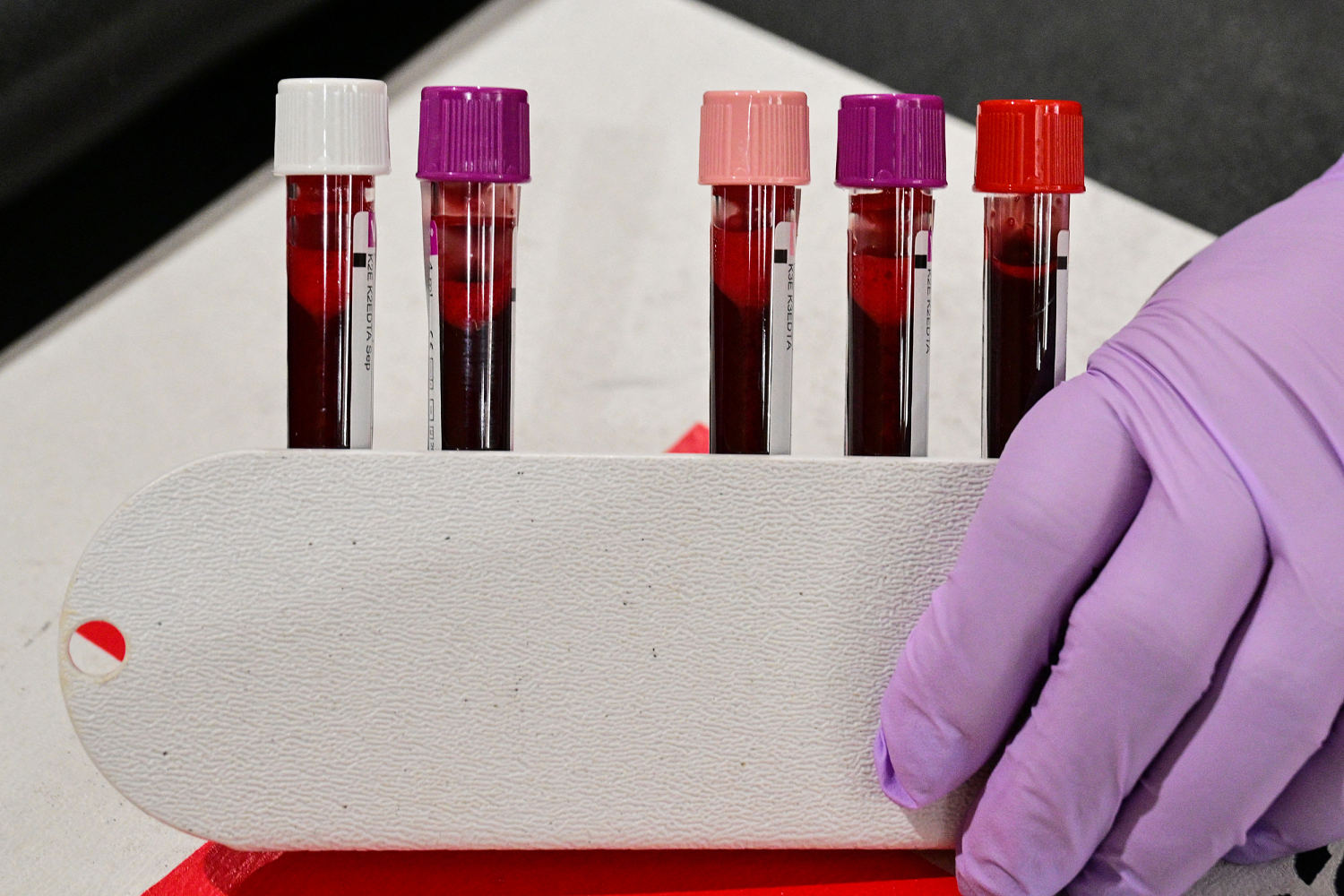
We are also learning to listen to the whisper before the roar. Liquid biopsies—simple blood draws that capture circulating tumor DNA—can now detect the subtle, shifting genetic signatures of resistance months before a standard CT scan can visualize a growing mass. It is like hearing footsteps in the attic before the door gets kicked in. By catching the cancer in the act of building its bypass, clinicians can switch tactics before the tumor has time to consolidate its gains.
The emotional weight of this scientific chess match cannot be overstated. For the person sitting in the chair receiving the infusion, every day is an exercise in radical hope coupled with the shadow of uncertainty. They carry the weight of human resilience, bearing witness to a microscopic war waged inside their own ribs.
The ghost in the machine is formidable, but it is not magic. It is biology. And biology, no matter how complex, leaves clues. Every time a drug stops working, it leaves a footprint, a map of the evasion route. The race now is not just to invent better weapons, but to read those maps fast enough to cut the enemy off at the pass, turning a temporary reprieve into a permanent horizon.