The physical reversal of two VLCC (Very Large Crude Carrier) tankers in the Strait of Hormuz following the collapse of US-Iran diplomatic channels is not a mere navigational adjustment; it is a quantified response to a shift in the cost-of-risk equilibrium. In high-stakes maritime corridors, vessel movement is governed by the intersection of sovereign guarantees, maritime insurance premiums, and the specific mechanics of "War Risk" clauses. When diplomatic negotiations fail, the probability of kinetic interference or vessel seizure ceases to be a theoretical tail risk and becomes a factored operational cost.
The decision to execute a U-turn in a constrained waterway like the Hormuz suggests that the expected loss—calculated as the probability of seizure multiplied by the value of the hull and cargo—suddenly exceeded the significant financial penalties associated with breach of contract and delivery delays. Also making waves lately: The Last Sunday in Budapest.
The Triad of Maritime Deterrence Collapse
To understand why these vessels abandoned their trajectories, one must deconstruct the three pillars that typically maintain the flow of energy through contested chokepoints.
1. The Sovereign Safety Net
International shipping relies on the implicit assumption that the flag state or the destination state possesses the naval capability and political will to protect its commercial interests. The failure of US-Iran talks removes the "diplomatic shield," leaving a vacuum where de-escalation was previously the expected outcome of a crisis. Without this shield, the burden of security shifts entirely from the state to the private sector. Further details on this are detailed by Reuters.
2. The Insurance Trigger Mechanism
Marine insurance is divided into Hull and Machinery (H&M), Protection and Indemnity (P&I), and War Risk. The latter is highly sensitive to geopolitical volatility. The moment diplomatic failure is confirmed, underwriters often redefine "Listed Areas" or "Hull War, Piracy, Terrorism and Related Perils" zones. For the tankers in question, the U-turn likely coincided with a notification from insurers that coverage would be suspended or that "Additional Premiums" (APs) would be spiked to prohibitive levels, effectively making the transit a net-loss endeavor.
3. The Cargo Value-at-Risk (VaR)
A single VLCC can carry approximately 2 million barrels of crude oil. At a market price of $80 per barrel, the cargo value sits at $160 million, excluding the $100 million+ value of the vessel itself. The U-turn represents a tactical retreat to preserve $260 million in assets against a geopolitical environment where the rules of engagement have become opaque.
Quantifying the Strategic Reversal
The logistics of a "last-minute" U-turn for a vessel of this scale are immense. These are not nimble craft; they require miles of sea room and hours of maneuvering. The decision-making process follows a specific hierarchy of casualty prevention.
- Contractual Frustration: Shipowners must weigh the risk of "frustration of purpose" under the charter party agreement. If the route becomes "commercially impossible" due to the threat of seizure, the owner may have the legal right to refuse the transit.
- Deviation Clauses: Standard maritime contracts include "Liberty Clauses," allowing the master to deviate from the planned route to avoid danger to the ship, cargo, or crew. The failure of high-level talks provides the necessary evidentiary basis for such a deviation.
- The Proximity Factor: The "last-minute" nature of the maneuver indicates that the breakdown in talks occurred while the vessels were in the "Grey Zone"—the area where they were committed to the transit but had not yet crossed the jurisdictional line into high-risk waters.
The Kinetic Economics of the Strait of Hormuz
The Strait of Hormuz is a unique geographical bottleneck where 20% of the world's daily oil consumption passes through a channel only 21 miles wide at its narrowest point. This creates a high density of "soft targets" for state actors looking to exert leverage.
The Asymmetric Leverage Model
For a state actor like Iran, the cost of seizing or harassing a tanker is negligible compared to the global economic shockwave it produces. This is the definition of asymmetric leverage. For the United States, the cost of protecting every individual tanker is unsustainable over a long duration. When talks fail, this asymmetry becomes the dominant market force.
The U-turn of the tankers serves as a leading indicator of a "Risk-Off" sentiment among the world's largest shipowners. This sentiment usually precedes a broader spike in the Baltic Dirty Tanker Index (BDTI) and a localized surge in Brent Crude futures as the market prices in a "Strait of Hormuz Risk Premium."
Operational Impediments of Diplomatic Volatility
The failure of US-Iran talks introduces three specific operational frictions that force tankers to retreat:
- Electronic Warfare and GPS Spoofing: In the absence of a diplomatic "ceasefire," the use of GPS interference becomes common. Tankers, which rely on precise positioning to navigate the narrow shipping lanes of the Strait, face an increased risk of accidental grounding or collision if their nav-systems are compromised.
- Boarding Party Vulnerability: Tankers have low freeboards when fully laden, making them exceptionally easy to board from small, fast-attack craft. Without the threat of immediate naval intervention from a protective power, these vessels are essentially defenseless.
- Legal Purgatory: A seized vessel enters a legal vacuum. Unlike a standard commercial dispute, a state-led seizure in the wake of failed diplomacy can lead to years of detention. The U-turn is a rejection of this long-term liquidity trap.
The Strategic Path Forward for Maritime Stakeholders
The current situation dictates a fundamental shift in how energy transport is managed in the Persian Gulf. Shippers and energy firms must move beyond the "wait and see" approach that led to the last-minute reversals.
- Tiered Risk Mapping: Companies must establish "hard-out" coordinates where a vessel will automatically divert if specific diplomatic or kinetic triggers are met, rather than leaving the decision to the final moments of transit.
- Dual-Track Insurance Hedging: To mitigate the sudden spike in War Risk premiums, firms should explore captive insurance models or pre-negotiated "Crisis Caps" that provide stable rates even during periods of diplomatic collapse.
- Shadow Fleet Competition: One unintended consequence of these U-turns is the opening of the market to the "Shadow Fleet"—vessels operating with opaque ownership and questionable insurance that are willing to take the risks that Tier-1 owners will not. This creates a bifurcated market where the most dangerous waters are navigated by the least regulated vessels, increasing the risk of environmental catastrophe.
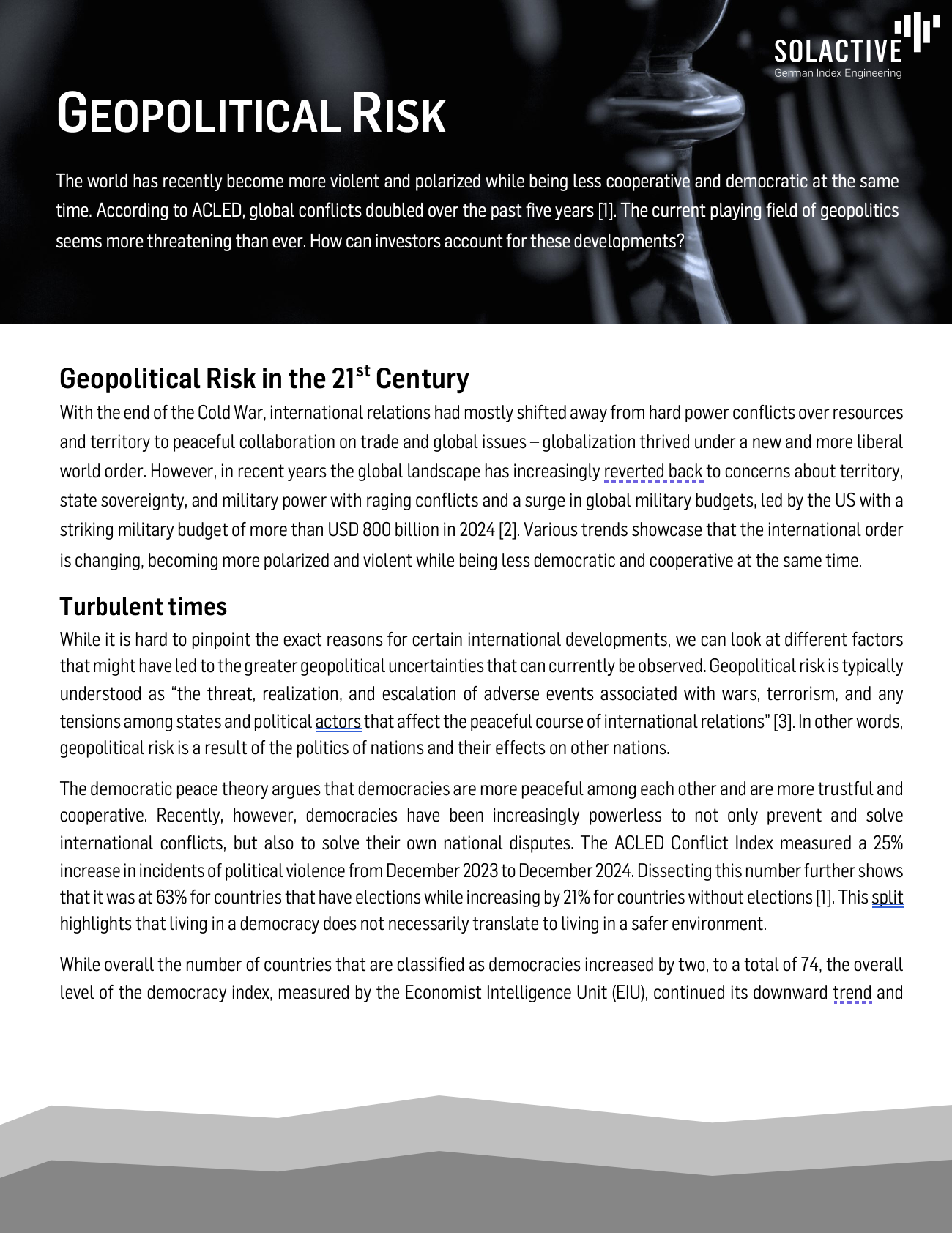
The U-turn in the Hormuz is the physical manifestation of a broken geopolitical contract. It signals that for the immediate future, the Strait is no longer a commercial thoroughfare but a tactical theater. Owners who continue to operate in this space must treat their logistics chain as a military exercise, prioritizing asset preservation over delivery schedules until a new baseline of sovereign stability is established.