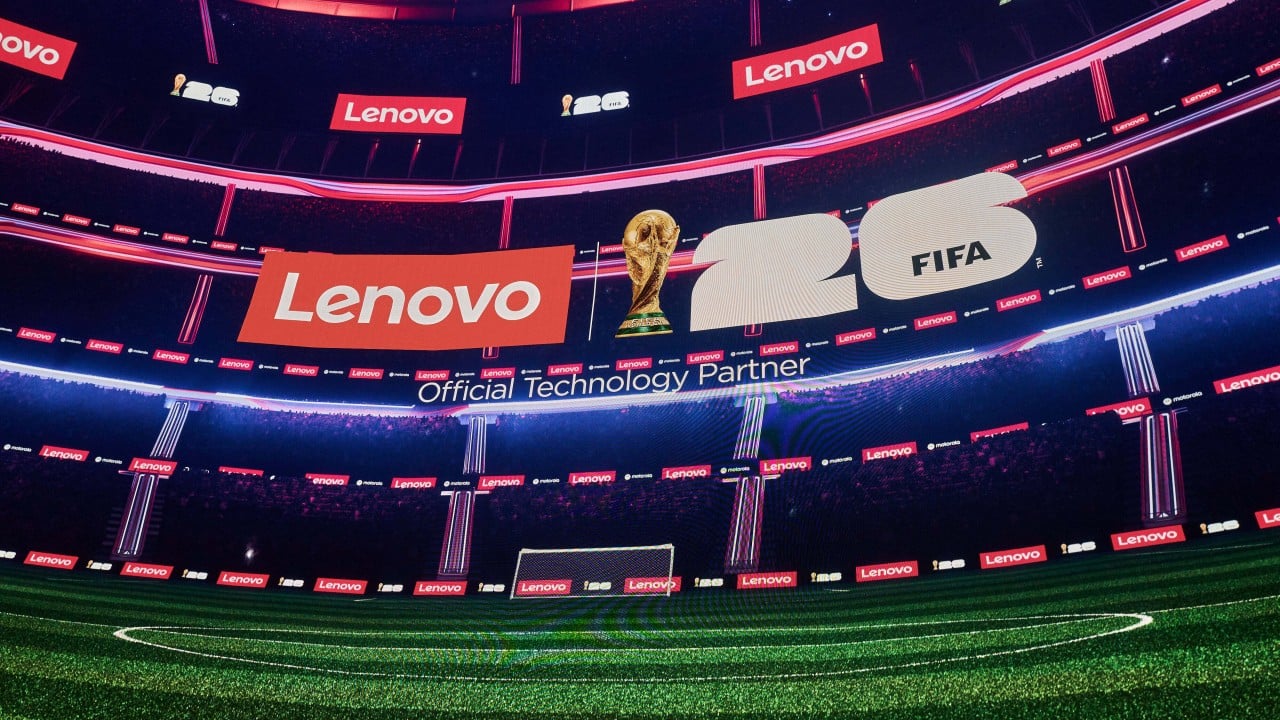
The absence of a nation’s athletic squad from a premier global tournament typically destroys the domestic commercial justification for broad-scale event sponsorship. Yet, during recent FIFA World Cup cycles, a stark divergence emerged: while the Chinese Men’s National Football Team failed to qualify on the pitch, Chinese enterprise capital surged to dominate the tournament's sponsor tiering hierarchy. This phenomenon represents a calculated exercise in geopolitical arbitrage. By decoupling corporate brand-equity accumulation from national athletic performance, these entities transformed a localized sporting deficit into a global distribution and market-penetration vehicle.
Understanding this strategy requires moving past surface-level observations about "brand awareness." Instead, we must analyze the structural mechanics of sports-washing, domestic market consolidation, and international regulatory hedging that drive this capital allocation.
The Tri-Centric Framework of Non-Participant Sports Sponsorship
When a corporation invests hundreds of millions of dollars into an event where its home country has no athletic representation, the capital allocation must satisfy a more complex ROI matrix than traditional affinity marketing. The strategic intent splits into three distinct, measurable vectors.
                  ┌─────────────────────────────────────────┐
                  │  TRI-CENTRIC SPONSORSHIP ROI FRAMEWORK   │
                  └────────────────────┬────────────────────┘
                                       │
         ┌─────────────────────────────┼─────────────────────────────┐
         ▼                             ▼                             ▼
┌──────────────────┐          ┌──────────────────┐          ┌──────────────────┐
│ VECTOR 1:        │          │ VECTOR 2:        │          │ VECTOR 3:        │
│ Domestic Hegemony│          │ Global Legitimacy│          │ Geopolitical     │
│  & Market Lockout│          │   & Trust-Bypassing│          │    Alignment     │
└──────────────────┘          └──────────────────┘          └──────────────────┘
1. Domestic Hegemony and Competitor Lockout
For consumer-facing brands operating within hyper-competitive domestic markets—such as Chinese dairy, electronics, and smartphone sectors—global tournament sponsorship serves as a domestic defensive moat. FIFA’s strict category exclusivity clauses allow a single corporation to legally sanitize the entire tournament environment of its domestic rivals.
When a brand secures a "Tier 1" FIFA Partner or "Tier 2" World Cup Sponsor position, it effectively locks out its primary domestic competitors from the most-watched television and digital streaming events of the year within its home market. The broadcast rights-holders in the home country are contractually obligated to run the global sponsor's assets, meaning domestic consumers are exposed to the brand at a frequency that suggests undisputed market dominance, regardless of the national team's absence.
2. Global Legitimacy and Trust-Bypassing
Entering mature Western or emerging Latin American and African markets requires immense capital expenditures on trust-building. Brands originating from developing economies frequently encounter a "country-of-origin discount," where consumers associate their goods with lower quality or geopolitical friction.
Aligning a brand directly with FIFA’s intellectual property allows a corporation to bypass years of localized trust-generation. The consumer's brain transfers the historical prestige, institutional permanence, and emotional equity of the World Cup directly to the corporate logo placed on the pitch-side LED boards. The message is structural, not narrative: If this brand has the balance sheet and institutional validity to partner with the world's largest sporting body, it is safe for consumption.
3. Geopolitical Alignment and State-Directed Capital Utility
In managed market economies, corporate capital allocation cannot be analyzed purely through the lens of short-term shareholder return. It must be viewed through its alignment with state-level macroeconomic priorities.
When a state elevates football development to a national strategic pillar, corporate participation in global football infrastructure functions as a form of regulatory compliance and goodwill generation. Sponsoring the global governing body demonstrates a corporation's willingness to fund the broader ecosystem of the sport. This creates a favorable domestic regulatory posture for the firm's core, non-sport business units.
The Economics of the Sponsorship Tiers
The capital commitments required to execute this strategy are highly stratified. FIFA’s commercial structure is divided into rigid tiers, each yielding different rights, geographic utilities, and cost structures.
| Sponsorship Tier | Estimated Capital Commitment per Cycle | Key Asset Deliverables | Primary Strategic Utility |
|---|---|---|---|
| Tier 1: FIFA Partner | $100M – $150M+ | Global IP rights across all FIFA tournaments; highest priority ticketing; continuous branding cycles. | Global corporate institutionalization; long-term trust building across international markets. |
| Tier 2: FIFA World Cup Sponsor | $50M – $100M | Global IP rights specifically for a single World Cup cycle; extensive LED board minutes. | Targeted international expansion; high-intensity domestic competitor lockout during the tournament window. |
| Tier 3: Regional Supporter | $10M – $25M | Sector-exclusive IP rights restricted to one of five designated geographic regions. | Pure domestic market saturation or highly localized regional testing without global overhead. |
The cost function of these sponsorships extends far beyond the base rights fee paid to the governing body. Historical sports-marketing data indicates an activation multiplier of 1.5x to 2.0x. This means a corporation committing $100 million to a rights fee must deploy an additional $150 million to $200 million in global advertising buyouts, experiential marketing, retail distribution overhauls, and localized content production to extract the full value of the asset.
The willingness of capital from a non-participating nation to absorb these astronomical activation multipliers proves that the target audience is not merely the match-going fan, but the multi-billion-strong global television and digital audience.
The Mechanism of Audience Decoupling
The foundational error of traditional sports marketing analysis is the assumption that a consumer requires their national team to be on the pitch to generate sustained viewership. In modern sports media consumption, this assumption fails due to two primary structural shifts.
The Rise of the Neutral Super-Consumer
In massive consumer markets, football fandom has decoupled from geography. Consumers are highly indexed on individual superstar athletes, club-level rivalries, and the sheer narrative drama of elite-tier tournaments. The World Cup functions less like a traditional sports tournament and more like a premier global entertainment asset.
Data indicates that television viewership in non-qualifying nations often matches or exceeds that of qualifying nations on a per-capita engagement basis during the knockout stages. The corporate sponsor is not buying into a national narrative; they are buying into a high-density attention monoculture.
The Pitch-Side LED Billboard as Omnipresent Programmatic Real Estate
Unlike traditional television commercials, which consumers actively avoid through ad-blockers, second-screen usage, or physical absence during commercial breaks, pitch-side LED boards are structurally integrated into the broadcast feed itself.
During a standard 90-minute football match, the ball is in play for roughly 55 to 60 minutes. Throughout this entire window, the cameras remain trained on the pitch, rendering the perimeter advertising boards unavoidable. This creates a continuous, low-friction cognitive imprint on the viewer. For a brand seeking global scale, this format provides a highly predictable volume of impressions that cannot be disrupted by changing media consumption habits.
Strategic Limitations and Operational Risk Profiles
This aggressive capital deployment model is not without structural vulnerabilities. Corporate entities executing this strategy face a distinct set of operational and reputational risks that can rapidly degrade the return on investment.
The Backlash of Localized Geopolitical Friction
When a brand uses global sports to expand its footprint into mature Western markets, its sudden high-profile visibility can trigger intense scrutiny from regulators, media outlets, and consumer advocacy groups. A corporate entity that was previously anonymous in the West is suddenly forced into the public square.
If that brand originates from a nation experiencing trade disputes or human rights friction with the West, the sponsorship can act as a lightning rod. Instead of generating uncritical brand affinity, it can catalyze investigative journalism into the brand's supply chains, data privacy policies, and state relationships, creating a net-negative reputational outcome.
The Empty Vessel Problem
Sponsorship provides visibility, but it does not dictate narrative. If a consumer in Europe or North America sees a corporate logo on an LED board for 90 minutes but cannot readily purchase the product due to distribution bottlenecks, or if the brand lacks a clear, localized value proposition, the impression value decays rapidly.
Sponsorship without concurrent, deep supply-chain integration and localized product-market fit results in the "empty vessel" phenomenon: high brand awareness paired with zero conversion capability.
Structural Governance Disruptions Within Sports Bodies
Global sporting institutions are perpetually subject to internal political churn, corruption scandals, and sudden structural rule changes. A corporation that tethers its brand equity to an organization like FIFA risks being dragged into systemic reputational crises.
When a governing body faces immense public backlash regarding the awarding of tournament hosting rights or internal financial mismanagement, corporate sponsors are forced to navigate complex public relations minefields. They must balance their multi-million dollar contractual obligations against consumer boycotts in key demographics.
The Strategic Playbook for Sustained Arbitrage
To maximize the ROI of this non-participant capital allocation strategy, corporate entities must shift from passive visibility to aggressive, integrated operational execution. The following framework outlines the necessary strategic plays.
Operationalize the "Glocal" Distribution Footprint Prior to Capital Commitments
A global tournament sponsorship should never be used to announce a brand's intent to globalize; it must be used to accelerate a globalization process that is already structurally mature.
Before the first match kicks off, the sponsoring entity must ensure its distribution pipelines, localized e-commerce platforms, and regional customer support structures are fully operational within the target growth markets. The surge in brand searches triggered by pitch-side visibility must be met with localized landing pages, immediate product availability, and seamless fulfillment systems.
Implement Dynamic, Language-Targeted Virtual Feed Overlay Systems
The traditional method of broadcasting a single LED board feed to the entire planet is technologically obsolete. Forward-thinking sponsors must contractually mandate the use of Virtual Hybrid LED technology.
This infrastructure allows the broadcast signal to be split programmatically based on the viewer's geographic region. While a viewer in London sees the brand’s English-language corporate positioning asset, a viewer in Beijing watching the exact same match feed sees a simplified Chinese asset tailored to a specific domestic promotional campaign. This maximizes the utility of the impression share across wildly divergent target demographics.
                         ┌─────────────────────────────┐
                         │   VIRTUAL HYBRID LED CODE   │
                         └──────────────┬──────────────┘
                                        │
                      [Match Broadcast Captured Live]
                                        │
                                        ▼
                   ┌────────────────────────────────────────┐
                   │  Programmatic Feed Splitter/Overlay    │
                   └────────────────────┬───────────────────┘
                                        │
         ┌──────────────────────────────┴──────────────────────────────┐
         ▼                                                             ▼
┌─────────────────────────────────┐                           ┌─────────────────────────────────┐
│ GEOGRAPHIC TARGET: EUROPE       │                           │ GEOGRAPHIC TARGET: ASIA         │
├─────────────────────────────────┤                           ├─────────────────────────────────┤
│ • English Asset Rendered        │                           │ • Localized Script Rendered     │
│ • Focus: Brand Trust/Sustain    │                           │ • Focus: Direct E-Commerce CTA  │
└─────────────────────────────────┘                           └─────────────────────────────────┘
Transition from Corporate Ego Marketing to Hard Utility Narrative
The era of simply placing a corporate logo on a billboard and expecting market share to grow is over. The next generation of non-participant sponsors must use their activation capital to showcase tangible product utility or infrastructure integration.
If an electronics brand sponsors a tournament, its technology must be visibly integrated into the stadium infrastructure, the broadcast production, or the VAR (Video Assistant Referee) data systems. If a logistics firm sponsors the event, they must visibly manage the actual transportation of critical tournament materiel. This shifts the consumer's perception of the brand from an intrusive financial interloper to an indispensable, operational component of the sport itself.