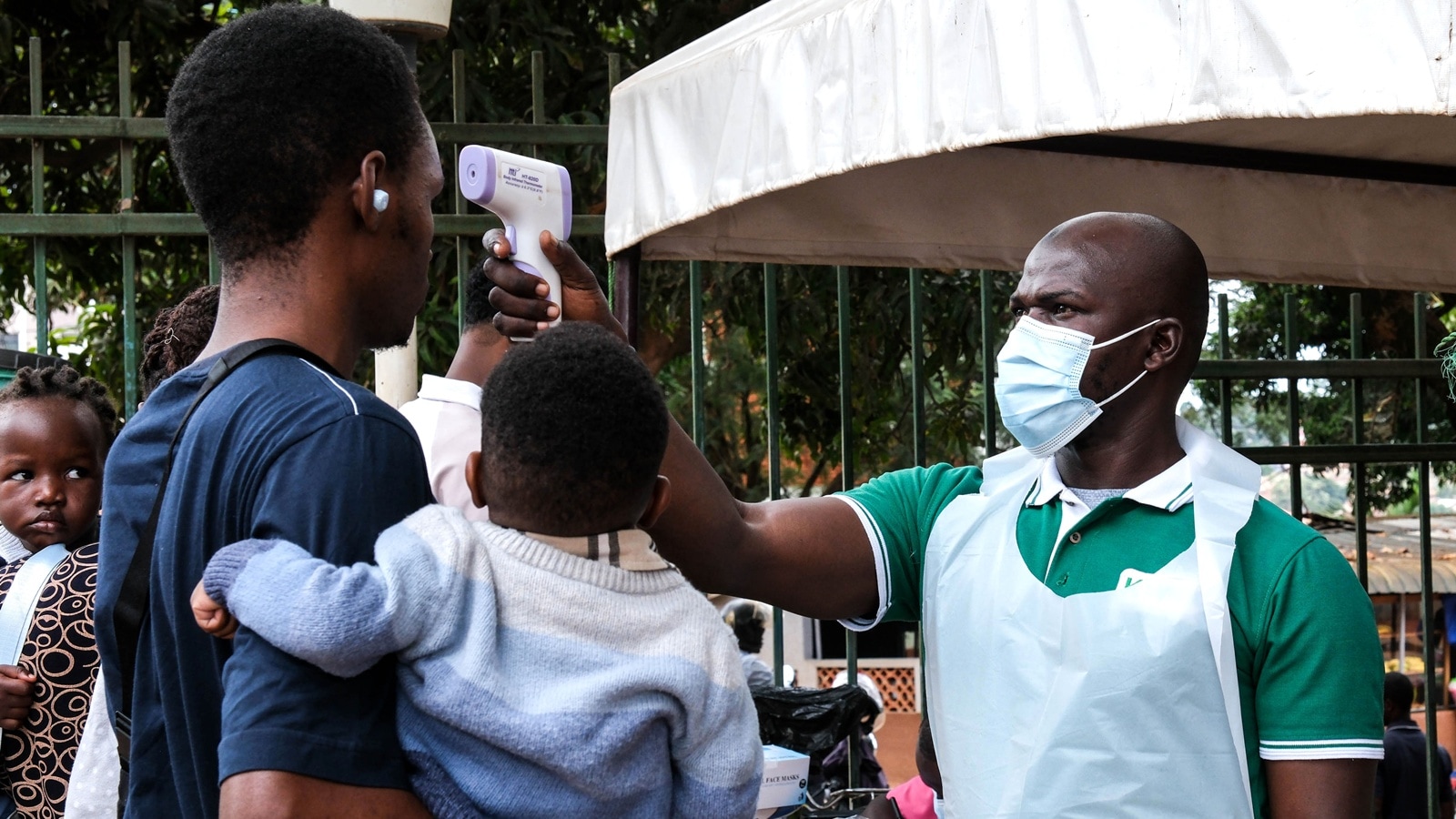
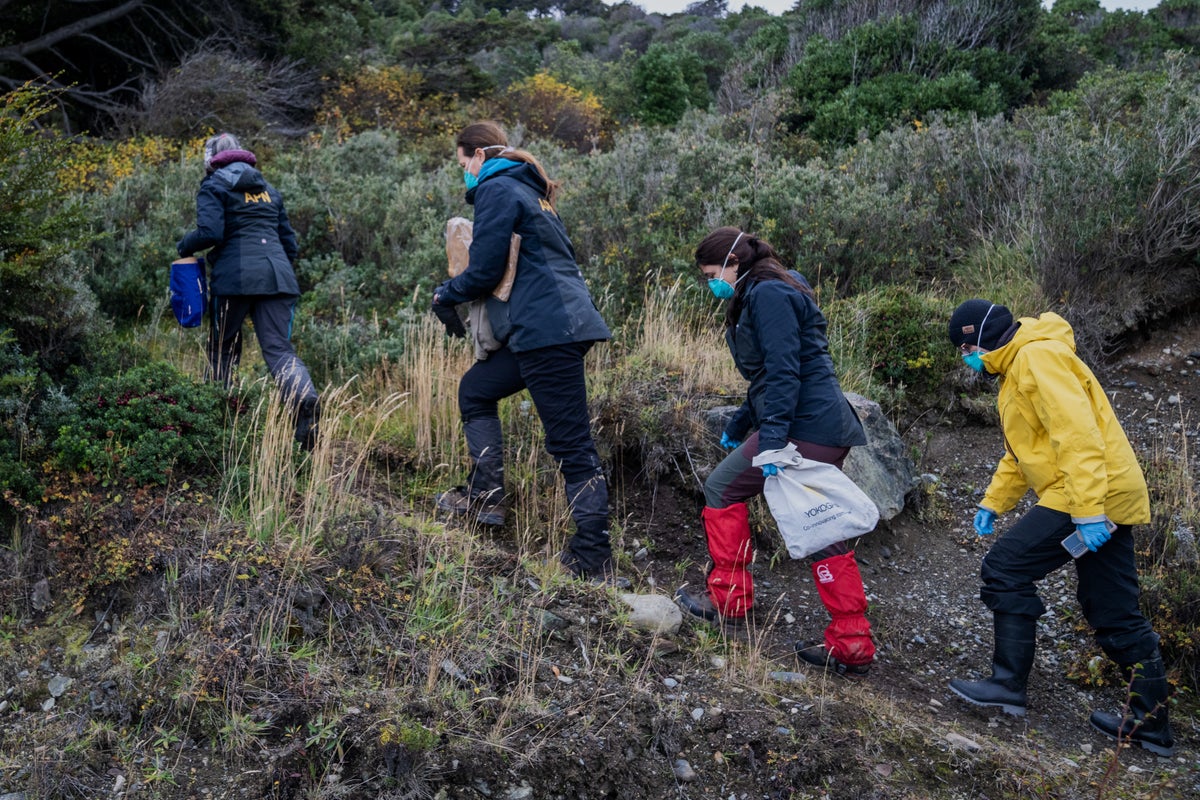
The federal government rarely forces people into quarantine. When it does, you know something is wrong.
The Centers for Disease Control and Prevention (CDC) just took that exact legal step. On Tuesday, May 19, 2026, the CDC issued formal federal quarantine orders for two American passengers currently staying at a specialist facility in Nebraska. These individuals recently returned from an eco-tourism voyage aboard the Dutch-flagged M/V Hondius, an expedition cruise ship currently at the center of a terrifying, multi-country hantavirus outbreak.
If you think hantavirus is just something you catch from cleaning out a dusty barn in the American Southwest, you're missing the bigger picture. This specific cruise ship outbreak involves the Andes virus strain. It changes everything we know about how these viruses spread, and it's exactly why health officials are taking zero chances.
The Nebraska Standoff and the Legal Might of the CDC
Right now, 18 American passengers from the M/V Hondius are staying at the Nebraska Quarantine Facility, located at the University of Nebraska Medical Center in Omaha. This is the same elite facility that handled Ebola patients and early COVID-19 repatriations.
Most of the passengers are cooperating voluntarily. They've agreed to stay isolated until May 31, 2026, marking the end of their critical monitoring window. But two passengers apparently balked at the public health request.
That's when CDC Acting Director Dr. Jay Bhattacharya stepped in and signed federal quarantine orders.
This isn't a friendly suggestion. A federal quarantine order carries the full weight of federal law under the Public Health Service Act. If you break it, you face hefty fines and jail time. It's a tool the government uses only when someone poses a real threat to public health and refuses to stay put.
The CDC hasn't detailed exactly why these two passengers tried to leave or what their specific exposure levels were. What we do know is that Dr. David Fitter, a CDC official, confirmed on a call with reporters that none of the returned U.S. passengers have tested positive for active hantavirus yet.
So why the heavy-handed legal crackdown? It all comes down to a brutal 42-day clock.
The Terrifying Math of the Andes Virus Incubation Period
Epidemiologists aren't being mean; they're tracking a slow-moving clock. Most viral infections show up in a few days. Hantavirus is a completely different beast.
According to Jodie Guest, the senior vice chair of epidemiology at Emory University’s Rollins School of Public Health, symptoms can take up to 42 days to appear. The long incubation period is why these 42 days feel endless for the people stuck in isolation. If you let someone go home on day 15 because they feel fine, they could start shedding the virus on day 25 and spark a local outbreak.
Here is what makes this specific outbreak aboard the M/V Hondius so unprecedented and dangerous.
Normally, hantaviruses are a dead-end infection. You breathe in dust contaminated with the urine, feces, or saliva of infected rodents. You get sick, often suffering from Hantavirus Pulmonary Syndrome (HPS), which destroys your lungs and has a horrific 38% fatality rate. But you don't pass it to your family.
The Andes virus variant found on this ship breaks that rule. It's one of the only hantavirus strains documented to spread directly from person to person. In a confined, shared environment like an expedition cruise ship, that quality turns a rare disease into a floating biohazard.
How an Antarctic Cruise Turned Deadly
The M/V Hondius left Ushuaia, Argentina, on April 1, 2026, for a dream eco-tourism voyage across the South Atlantic. The itinerary read like a bucket list: mainland Antarctica, South Georgia, Tristan da Cunha, and Saint Helena.
According to reports from the World Health Organization (WHO) and the European Centre for Disease Prevention and Control (ECDC), the nightmare started early.
- April 11: An adult male passenger died on board after developing a fever and severe respiratory distress. He had spent three months traveling through Argentina and Chile before boarding. Health officials believe he brought the virus onto the ship from an environmental exposure back on land.
- Late April: The virus started jumping. The ship's doctor contracted the virus. Other passengers began falling ill with a terrifying progression of symptoms: high fever, muscle aches, gastrointestinal issues, and rapid descent into severe pneumonia and shock.
- May 2: The UK government officially triggered an alert to the WHO after a cluster of severe respiratory illnesses and deaths became too big to ignore.
By the time the ship finally docked in Tenerife, Spain, for mass evacuations, the damage was done. The global case count has climbed to 11 cases, including three confirmed deaths. Just this week, three new cases popped up across the globe—one each in France, Spain, and Canada—proving that the virus traveled home in the bodies of asymptomatic passengers.
What Happens Next for Travelers
If you have an upcoming cruise, don't panic. The general public's risk remains incredibly low. This isn't the next 2020 style lockdown. The Andes virus doesn't spread through the air across a whole city like a cold or coronavirus; it requires very close, prolonged contact in tight spaces.
But if you are traveling to regions where hantaviruses are endemic—like rural Argentina or Chile—or taking part in eco-tourism, you need to change how you operate.
Do not go exploring abandoned, dusty buildings or structures where rodents might nest. If you have to clean an area that might have rodent activity, never use a broom. Dry sweeping kicks the viral particles into the air, making them easy to inhale. Wet the area down with bleach and water instead.
For the travel industry, this outbreak will likely force a massive re-evaluation of shipboard sanitation and passenger screening protocols for remote itineraries. Until then, health agencies worldwide will keep tracking every single soul who stepped off the M/V Hondius until the 42-day window closes.