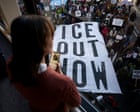
Federal law enforcement ran a sprawling covert surveillance campaign targeting anti-ICE activists, labor unions, and community groups across Minnesota. Newly unsealed court documents lay bare an operation that went far beyond basic crowd control.
If you think federal monitoring of domestic political movements stops at watching public marches, look closer. Internal Department of Homeland Security files show agents adopting online aliases, wearing wires into church basements, and building detailed dossiers on ordinary citizens exercising First Amendment rights.
Inside Operation Puppet Master
The scope of the government's reach became clear through federal court filings. Defense attorneys unsealed internal records detailing operations with names like "Operation Puppet Master" and "Project Whipple Shield". These initiatives launched in the winter following intense community backlash and protests against Immigration and Customs Enforcement surges in the Twin Cities.
Instead of focusing solely on criminal behavior, federal investigators cast a massive net. Undercover personnel infiltrated encrypted messaging applications, attended open community meetings at public libraries, and even tracked individuals at houses of worship.
One Homeland Security Investigations operative used the handle "peanutbutterjelly" inside organizer Signal chats. This agent screenshot chat logs, tracked protest planning, and actively offered to help recruit volunteers or build direct-action supplies. Court transcripts show the agent even told activists they worked in construction and could help build whatever structures were needed, while simultaneously logging details about peaceful gatherings.
The Surveillance Tactics On the Ground
The documentation reveals an extraordinary level of physical and digital tracking. Agents did not just sit in cars. They embedded themselves deeply into local networks.
- Encrypted Chat Infiltration: Operatives blended into Signal groups, tracking real-time movements and community defense organizing.
- License Plate Scans: At meetings held in spaces like suburban churches, agents recorded vehicle plates in the parking lot to run through databases and compile family and employment backgrounds.
- Physical Surveillance Trails: Teams of up to nine agents monitored specific activists for full days, tracking trips to local coffee shops, homes, and public squares to establish "patterns of life".
- In-Person Scouting: Undercover personnel sat in on left-wing martial arts club sessions held in church basements and documented pizza nights or brass band performances.
These files surfaced as part of the government's prosecution of fifteen Minnesota protesters accused of a conspiracy to impede federal officers. Defense attorneys argue that the files prove the government targeted protected political speech under the guise of an anti-terrorism mandate.
Labor Unions and Churches Swept Into the Net
The fallout from these disclosures extends well past the individual defendants. Government powerpoint slides and investigative reports included a wide web of mainstream organizations allegedly connected to a broader conspiracy.
Major labor entities—including the Minnesota AFL-CIO, the Service Employees International Union, and local education associations—appeared in government conspiracy maps, despite facing no criminal charges. Union leaders expressed deep alarm, pointing out that providing mutual aid and standing alongside immigrant neighbors is core union work, not a criminal enterprise.
Meanwhile, religious institutions found themselves compromised. An undercover agent attended a meeting at the University Baptist Church in Minneapolis, violating a federal court injunction that explicitly forbids immigration enforcement actions or investigations inside designated sanctuary churches. Church members and leadership filed emergency motions demanding answers from the federal government regarding the breach of sacred spaces.
Civil liberties advocates warn that normalizing this depth of covert oversight against domestic political opposition alters the baseline of civic freedom. When attending a neighborhood meeting or joining an encrypted chat results in a federal dossier, the cost of dissent changes entirely.
The legal battles over these unsealed records are forcing transparency onto operations that agencies prefer to keep hidden. As federal judges weigh whether the government overstepped constitutional boundaries, the documents remain a stark reminder of how quickly routine protest tracking can evolve into mass intelligence gathering.


