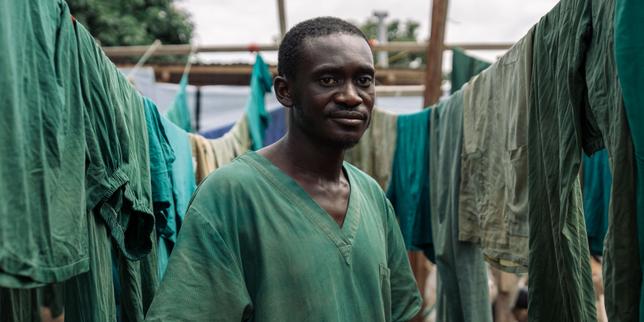
Survival from Ebola virus disease depends heavily on early supportive care, yet fear of treatment centers routinely convinces patients and families to stay away until the illness reaches a critical stage. When a parent warns a sick child that walking into an isolation ward means certain death, that warning rarely comes from malice. It comes from watching neighbors enter guarded tents and never walk out, combined with a history of fragile health systems that struggle under sudden emergency pressure.
That tension sits at the center of every major Ebola response. Public health teams measure success in contact tracing metrics, supply chains, and case fatality rates. Households measure risk in immediate, concrete terms: whether a loved one will be isolated from family, whether rumors about hospital conditions match what people see with their own eyes, and whether seeking care will trigger stigma that outlasts the fever.
How Dread Takes Root Inside Families
Fear does not spread through a community by accident. It grows out of observable patterns during a crisis.
When an outbreak hits, treatment units are often set up quickly in response to an emergency. Staff wear full personal protective equipment that hides faces, voices, and familiar gestures. To a sick person already disoriented by high fever, vomiting, or diarrhea, a team dressed like astronauts can feel intimidating rather than reassuring. To relatives standing outside a perimeter, the separation feels abrupt and severe.
Early in many outbreaks, survival odds were grim. Historically, average case fatality rates for Ebola virus disease have hovered around 50%, varying widely by virus species, strain, and how fast patients received care. When communities watch early cases deteriorate rapidly inside a clinic, residents sometimes connect the facility itself with death rather than recognizing that late arrival and severe physiological collapse drove the outcome.
Rumors fill whatever information vacuum exists. If official updates arrive late, sound overly technical, or contradict what families experience at local clinics, household advice quickly overtakes medical guidance. A mother telling her child that seeking Ebola treatment is a death sentence is repeating a survival logic that made sense to her based on what she saw around her.
The Cost of Waiting Until Symptoms Escalate
Ebola does not usually announce itself with dramatic bleeding on day one. Early symptoms often look like malaria, typhoid, influenza, or ordinary foodborne illness: sudden fever, extreme fatigue, muscle aches, headache, and sore throat. Later come gastrointestinal losses such as vomiting and diarrhea, which rapidly deplete fluids and electrolytes.
Waiting until late-stage symptoms appear changes the math of recovery. Severe dehydration, electrolyte imbalances, organ strain, and secondary infections become much harder to reverse once shock sets in. Supportive medical care works best when started early, before fluid deficits and metabolic disturbances spiral out of control.
Delay carries a double penalty. A patient who stays home misses the window where aggressive fluid replacement, electrolyte correction, symptom control, and targeted medical interventions offer the strongest chance of survival. At the same time, unmonitored care at home increases the chance that household caregivers touch infectious body fluids without proper protection.
What Modern Treatment Actually Does
Survival is not a miracle detached from medicine. It is largely the result of disciplined physiology and rapid clinical intervention.
In modern outbreak responses, supportive care forms the backbone of survival. Clinicians focus relentlessly on replacing lost fluids, restoring electrolytes such as potassium and sodium, supporting blood pressure, managing fever and pain, and treating complications or co-infections. Without those basics, severe fluid loss alone can overwhelm the body.
Therapeutics have also shifted the clinical picture for Ebola virus disease caused by Orthoebolavirus zairense (Zaire ebolavirus). Monoclonal antibody treatments and antiviral options studied and deployed in recent outbreaks have improved survival rates substantially when administered early, especially alongside attentive supportive care. Still, no medication works as a magic wand if a patient arrives after multi-organ failure is already advanced.
Clinical outcomes improve most when patients reach care early enough for clinicians to stabilize fluids and monitor organ function before severe shock takes hold.
Even with better treatments, care is grueling. Recovery takes time, close monitoring, and physical stamina. Survivors often face lingering weakness, joint pain, vision changes, or mental strain long after leaving a treatment center. Saying "I am proof you can survive" captures real hope, yet it should never flatten the hard medical reality of how recovery happens.
Why Distrust Persists Even When Medicine Improves
Better drugs and cleaner clinics do not automatically erase decades of skepticism. Trust is built through day-to-day relationships, not press releases.
Many communities affected by outbreaks already contend with underfunded primary clinics, long distances to hospitals, out-of-pocket costs, or histories of feeling ignored until an international emergency arrives. When an outbreak response brings sudden funding, sirens, and strict rules—while everyday health needs remain hard to get—residents notice the contrast.
Community engagement often fails when it is treated as a messaging add-on rather than a two-way conversation. Telling families to ignore their fears rarely works. Listening to what worries them—such as fear of dying alone, worries about burial practices, or anxiety over how children will be cared for—addresses the real friction points.
Consider a hypothetical example to see how household decisions play out on the ground. Suppose a teenager in a rural district develops a high fever two days after caring for a sick relative. His mother fears the isolation center because two neighbors went there and did not return, and she worries nobody will tell her how he is doing. If local health workers explain visiting or communication protocols clearly, involve respected community leaders, and provide fast transport and transparent updates, the family is far more likely to seek care early than if they are simply lectured about compliance.
Where Public Health Approaches Fall Short
Responders sometimes blame "misinformation" for every refusal or delay. That label is too neat.
Sometimes families hesitate because the nearest treatment center is hours away on bad roads. Sometimes they worry about losing income or leaving younger siblings unattended. Sometimes past experiences with clinics left them feeling judged or brushed aside. Calling every cautious family "misinformed" obscures structural and relational barriers that health systems can actually fix.
There are also real gray areas in outbreak communication. Public health teams must balance urgent containment with personal autonomy and cultural traditions. Overly rigid rules can alienate the very people whose cooperation stops transmission, while overly loose protocols risk exposing more people. Getting that balance right requires constant adjustment rather than a rigid playbook.
Survivorship Beyond the Discharge Gate
Leaving a treatment unit alive is a major milestone, not the end of the story. Survivors step back into communities that may still be frightened or suspicious.
Stigma can follow survivors home. Neighbors may fear contagion even after a patient is declared non-infectious and discharged, leading to lost jobs, evicted tenants, or ostracized children. When a survivor speaks openly about making it through treatment, that visibility can challenge fatalism—provided the survivor is supported and not pressured into carrying the entire burden of public education alone.
Post-recovery care matters just as much as acute treatment. Survivors frequently experience ongoing health issues, sometimes grouped under post-Ebola sequelae, alongside psychological stress from illness, bereavement, and social disruption. Health systems that treat discharge as the finish line miss a crucial phase of recovery.
| Barrier to Care | How It Shapes Family Decisions | Practical Response by Health Teams |
|---|---|---|
| Fear of dying inside isolation | Parents urge sick relatives to stay home until late decline | Share clear survival data, honest expectations, and family communication updates |
| Unfamiliar protective gear | Patients and visitors feel alienated or frightened | Explain PPE clearly, humanize care interactions, and involve trusted local staff |
| Economic and family disruption | Caregivers weigh lost wages and child care against clinic visits | Provide practical household support, clear transport, and timely triage |
| Post-recovery stigma | Survivors face rejection or fear after returning home | Offer survivor follow-up care, community dialogue, and accurate recovery guidance |
Changing What Families Hear When Fever Starts
A mother's warning does not change through slogans alone. It changes when families see early care lead to recovery, feel respected at the clinic door, and get honest answers when things go wrong.
Health systems earn trust by showing up consistently, explaining care in plain language, and fixing the bottlenecks that make seeking help feel risky. When early treatment becomes familiar, humane, and visibly linked to survival, fewer households have to choose between fear of the clinic and fear of the illness.