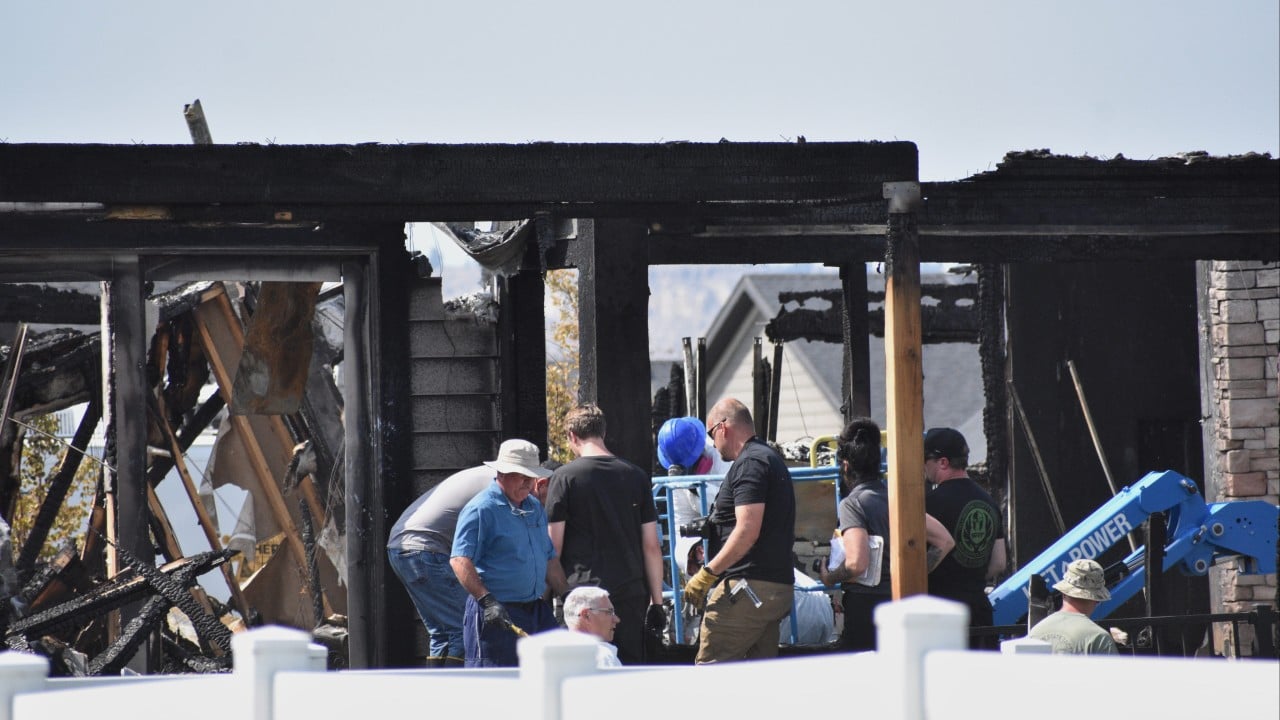
Tragedies that wipe out entire households shatter our basic assumptions about safety. When news breaks about domestic violence incidents like the Billings, Montana shooting—where a man killed eight relatives, including four children, during a Sunday gathering before taking his own life—the immediate reaction is always shock. How does a family dinner turn into a mass casualty event? Public reactions usually oscillate between horror and a desperate search for warning signs.
We need to look past the initial headlines of familicide cases. These events aren't spontaneous bursts of madness. They follow chillingly predictable behavioral patterns that public safety experts and domestic violence researchers have tracked for years. If you want to understand how these disasters unfold, you have to look closely at power dynamics, control, and systemic failures.
The Warning Signs We Routinely Miss
Domestic violence doesn't always start with physical abuse. In many severe familicide cases, including the devastating 2023 Enoch, Utah tragedy where eight family members were killed, psychological control and isolation precede the final acts of violence. Neighbors and friends often describe the perpetrator as normal or quiet. That is the camouflage of isolation.
Abusers who reach this lethal threshold typically view their family members as possessions rather than independent people. When a partner initiates divorce proceedings, or when family structures face perceived threats to the abuser's control, the risk factor skyrockets.
- Escalating Surveillance: Tracking devices, monitoring phone activity, and controlling financial accounts are massive red flags.
- Extinction Bursts: Violence often spikes when the victim attempts to leave or establish independence.
- Public Facade: Perpetrators frequently maintain a completely normal exterior to the outside world while terrorizing their household in private.
The Anatomy of a Sunday Dinner Attack
Gatherings like Sunday dinners are supposed to be safe spaces. Instead, perpetrators sometimes exploit these moments because multiple family members are gathered under one roof. Law enforcement data shows that familicide-suicide events frequently happen during transitional phases or specific domestic confrontations.
When police respond to these active shooter calls, they face an impossible environment. First responders in Billings arrived to find a house engulfed in flames, mirroring the chaotic forensic realities of domestic massacres nationwide. Fire services and tactical units are forced to battle active hazards while dealing with absolute devastation.
The aftermath always brings a wave of community grief and online fundraising efforts organized by family spokespeople to handle burial costs. Yet, financial support addresses only the tail end of a massive systemic failure.
Spotting Risk Before It Turns Fatal
You can't fix a systemic issue with thoughts and prayers. Protecting vulnerable family members requires aggressive intervention at the first sign of severe coercion. If someone you know is dealing with escalating threats, severe monitoring, or physical intimidation, standard advice to "work it out" is dangerous.
Local law enforcement agencies and community advocacy groups offer specific channels for confidential risk assessments. Recognizing coercive control before it escalates to physical violence remains our best defense against absolute tragedy.
Support is available around the clock. If you or someone you know is experiencing domestic violence, contact the National Domestic Violence Hotline by calling 1-800-799-SAFE or texting "START" to 88788.