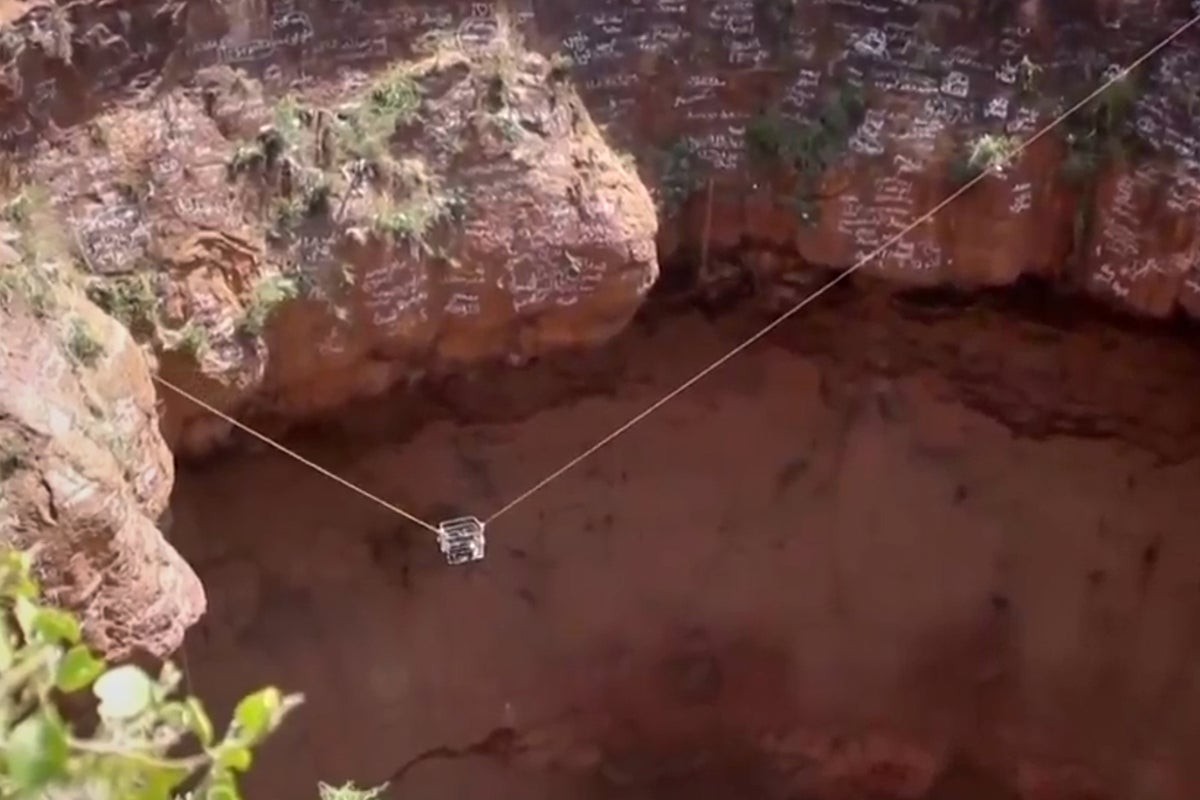
The internet loves a tragic superhero until the gravity kicks in.
When a prominent daredevil falls to their death, the media machine fires up its predictable, synchronized routine. The headlines weep. The commentary sections overflow with sudden, profound grief. Commentators scramble to dissect the "tragedy of a young life cut short," framing the individual as a fallen icon of pure, unadulterated human spirit.
It is a comfortable, lazy narrative. It is also entirely hypocritical.
The uncomfortable truth is that the media, the platforms, and the audiences who consume this content do not care about the spirit of adventure. They care about the spectacle of high-stakes gambling with mortality. They actively incentivize escalation, rewarding increasingly reckless behavior with the only currency that matters in the digital economy: attention. Then, when the inevitable physics of a mistake catch up with the performer, the same ecosystem pivots instantly to moral outrage and solemn head-shaking.
Stop treating these incidents as unpredictable tragedies. They are the logical, mathematically guaranteed conclusions of an attention model built on survival metrics.
The Myth of the Romantic Daredevil
The mainstream coverage of extreme urban exploration and high-risk stunts relies on a deeply flawed premise. The narrative claims these individuals are driven by an innate, almost spiritual desire to push human boundaries. They are painted as modern-day explorers conquering the concrete jungle or the untamed wilderness.
This romanticized view completely ignores the mechanics of modern digital platforms.
In the attention economy, algorithmic visibility is tied directly to high retention and engagement. Content that triggers a visceral, physiological response—like the shot of adrenaline from watching someone balance on a ledge or peer into a volcanic crater—outperforms standard media by orders of magnitude. The performer is not operating in a vacuum of pure artistic expression; they are responding to real-time feedback loops.
- Phase 1: The Novelty. A creator performs a moderately risky feat. The audience responds with views and shares.
- Phase 2: The Diminishing Return. The same level of risk no longer triggers the same dopamine hit for the viewer. Algorithmic reach begins to dip.
- Phase 3: The Escalation. The creator must increase the stakes to maintain their position. The margin for error shrinks to near zero.
To call the final, fatal error a "shocking accident" is an insult to basic probability. When you play a game where the only options are escalation or irrelevance, the terminal outcome is a feature of the system, not a bug.
The Audience is the Enabler
Let's dismantle the idea that viewers are passive, innocent bystanders in this equation.
Every view, every like, and every comment demanding "bro, go higher next time" serves as a direct subsidy for dangerous behavior. Audiences like to pretend they are watching a display of immense skill. In reality, they are watching a live gladiatorial match where the appeal lies entirely in the fact that the performer might actually die.
If there were a net underneath the high-wire act, the stream would lose 90% of its viewers. The value is generated entirely by the presence of lethal risk.
[Audience Demand for Thrills]
       │
       ▼
[Algorithmic Optimization]
       │
       ▼
[Creator Risk Escalation]
       │
       ▼
[The Inevitable Failure]
       │
       ▼
[Media Moral Outrage] (Loop Resets)
When a creator passes away, the audience immediately shifts into a mode of sanctimonious mourning. They scrub their past comments demanding crazier stunts and replace them with rest-in-peace emojis. This collective amnesia allows the consumer to avoid the harsh reality: their eyeballs funded the platform that demanded the escalation in the first place.
The Hypocrisy of Platform Regulation
Tech platforms routinely issue statements claiming they prohibit content that encourages dangerous activities. They point to terms of service updates and automated reporting tools as proof of their commitment to safety.
Look at the monetization data instead of the press releases.
High-risk videos routinely rack up millions of views before they are flagged or removed—if they are removed at all. By the time a moderation team steps in, the platform has already extracted the maximum advertising value from the viral wave. The enforcement is deliberately reactive, allowing the platform to cash the check while maintaining plausible deniability.
I have watched digital media divisions ride these viral waves for years. The playbook never changes. You ride the traffic surge while the creator is alive, and you write the memorial profile when they die. Both phases of the lifecycle are highly profitable.
Dismantling the People Also Ask Premise
The questions asked in the wake of these events reveal how fundamentally the public misunderstands the problem.
Why do urban explorers take such extreme risks?
The common answer is "adrenaline addiction" or a "desire for freedom." The brutal, honest answer is market demand. In a saturated media market, risk is the fastest way to differentiate a personal brand. It requires zero institutional backing, minimal capital investment, and yields immediate distribution if the risk is high enough. It is an economic decision driven by a lack of alternative pathways to hyper-visibility.
Should platforms ban all extreme stunt content?
An outright ban is a lazy solution that misses the nuance of human behavior. Prohibition simply drives the community underground to less regulated platforms where the pressure to shock is even higher. The solution isn't censorship; it's the total demonetization of clear physical jeopardy. If platforms stripped all ad revenue, algorithmic recommendation, and sponsor integration from content featuring immediate mortal peril, the incentive structure would collapse overnight. But they won't do that, because jeopardy drives engagement.
The Cost of the Counter-Perspective
If we reject the romantic narrative and view these events through the lens of economic exploitation, we lose something comfortable. We lose the ability to view these creators as tragic heroes. We are forced to view them as casualties of a hyper-optimized attention funnel.
That realization is deeply unpalatable because it implicates the entire digital ecosystem. It means admitting that the media coverage celebrating their lives post-mortem is just the final stage of monetization.
The next time a viral performer falls, skip the tribute videos. Delete the solemn think-pieces. Recognize the media circus for what it is: a vulture picking at the bones of an audience-funded escalation strategy.