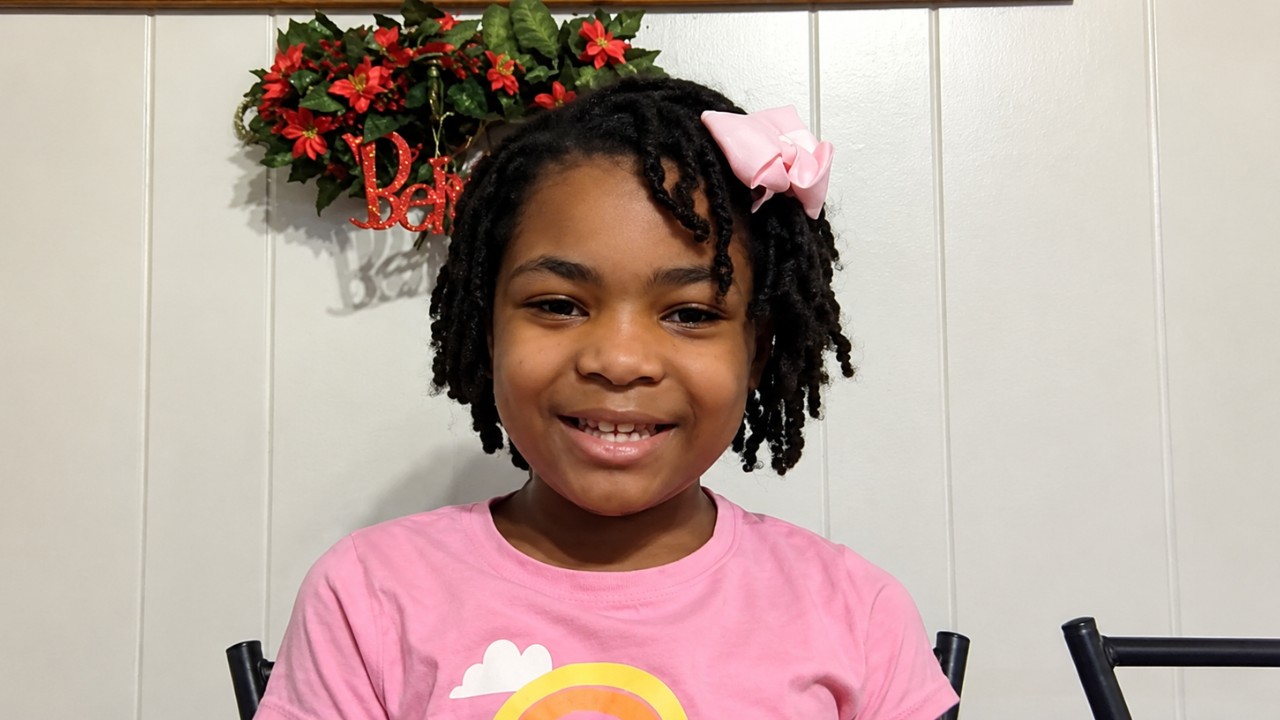
A third-grader wins $25,000 for an animal-shaped numbing patch. Everyone claps. Headlines bloom with warm clichés about grit, youth entrepreneurship, and fixing pediatric fear with cute stickers.
Stop clapping. Start reading the fine print.
When Kailyn Brown took home $25,000 in the K–4 business category of the Mott Million Dollar Challenge for Sticky Pals with Magic Medicine, the lazy consensus rushed to treat a pitch-contest win as a medical breakthrough. Animal patches with an opening at the character's mouth. A growth mindset. Mentorship from VentureLab. Sweet story. Terrible medical-product analysis.
Winning a student entrepreneurship prize is not commercial readiness. Turning a clever child's concept into a real pediatric medical product runs straight into regulatory reality, skin pharmacology, clinic workflow, and cold unit economics.
The Lazy Consensus Around Youth MedTech Prizes
Coverage of youth pitch competitions loves a neat arc. Kid hates shots. Kid invents a friendlier patch. Kid wins $25,000. From there, feel-good commentary slides quietly into a false assumption: that a sharp student idea is one step away from exam rooms everywhere.
That assumption confuses empathy with commercial viability.
Spotting a real pain point is step zero, not the finish line. Kids dread injections. Parents dread the meltdown in the exam room. Nurses dread wrestling a terrified eight-year-old while trying to keep an injection site clean and safe. Anyone who has spent time in pediatrics knows the emotional friction is real.
What gets skipped in feel-good recaps is the gap between a clever prototype and a product that survives real clinical conditions. A cute character on a patch might soften the visual shock of a needle. It does not automatically solve topical onset timing, skin integrity, sterile technique, cost per visit, or liability.
Why "Cute Plus Numbing" Misses the Real Clinical Bottlenecks
Let's define terms cleanly before anyone mistakes a sticker for a drug-delivery system.
In clinical practice, topical anesthetics—such as lidocaine or lidocaine/prilocaine formulations—work by reversibly blocking sodium channels in peripheral nerve endings to reduce superficial skin pain. Procedural distraction works through attention, cognitive framing, and calming routines rather than numbing tissue. Mixing the two into a single story sounds great on a stage. In a busy clinic, they behave very differently.
Onset Time vs. Exam-Room Reality
Real topical numbing takes time. Depending on the formulation and skin characteristics, local anesthetics often require roughly 30 to 60 minutes to reach meaningful dermal numbness. A pediatric well-child visit or walk-in vaccination rarely runs on a leisurely one-hour pre-numbing schedule unless families plan ahead and apply products correctly at home.
Slapping a patch on two minutes before the syringe comes out mostly gives you distraction, not deep anesthesia. That distinction matters when parents expect painless shots and get crying anyway.
Asepsis, Visibility, and Clinic Workflow
Think like a clinician with thirty seconds to give a vaccine cleanly. You need clear visual landmarks, intact skin, proper antisepsis, and zero confusion about where the needle enters. Guiding a needle through a specific opening on a decorative patch introduces practical questions:
- Does the adhesive stay flat without lifting or trapping moisture?
- How does skin prep work around an opening without compromising sterility or stinging freshly prepped skin?
- What happens when a child squirms, sweats, or pulls at an edge?
None of those questions make Kailyn Brown's idea silly. For a third-grader working through notes twice a week and presenting in front of judges, that level of focus is impressive. It just means the hard engineering and clinical work starts after the trophy photo.
The Battle Scars of Turning Clever Concepts Into Real Products
I have watched founders and companies blow millions of dollars falling in love with "obvious" consumer-friendly tweaks in healthcare while ignoring the unsexy operational walls around them.
A classic trap goes like this: a team spots a universal annoyance—painful blood draws, scary inhalers, clunky IV wraps, bitter liquid meds—and builds a charming wrapper around it. Focus groups love it. Friends share the video. Then the team meets procurement managers, clinical educators, safety officers, and reimbursement rules.
Suddenly, a $2 patch looks expensive next to a fraction-of-a-cent bandage and a nurse who already uses distraction techniques, cold sprays, or positioning tricks for free. Or a product that blends a consumer novelty with a topical drug triggers strict regulatory and manufacturing requirements that a small prize barely scratches.
Twenty-five thousand dollars buys real momentum for a young student: materials for deeper prototyping, confidence on a stage, and a lesson in how to take feedback. It does not fund clinical trials, stability testing, GMP manufacturing, or hospital distribution. Treating a student award like a market launch sets up unrealistic expectations for everyone watching.
What Heavy Hitters in Pediatric Pain Actually Tell Us
If you want serious guidance on reducing needle pain in kids, skip the hype cycle and look at the people who study pediatric pain for a living.
Organizations like the World Health Organization and pediatric pain researchers such as Anna Taddio—known for work on reducing vaccination pain through evidence-based strategies like topical anesthetics, breastfeeding or sweet solutions in infants, distraction, and age-appropriate positioning—have spent years separating wishful thinking from what works reliably.
The consensus among pediatric pain specialists is clear and practical: no single gimmick solves needle fear on its own. Effective care layers simple, repeatable methods—preparation, honest communication, comfortable positioning, distraction, and targeted numbing when timing and clinical need align.
Imagine a scenario where a clinic hands out an animal patch without coaching parents or timing application properly. The child still feels the pinch of deeper tissue or muscle penetration, still feels anxious from the waiting room, and the family blames the patch. Now imagine a scenario where a clinic pairs calm preparation, clear expectations, and proper pain-management tools suited to the visit. The outcome shifts because the system around the child changed, not just the decoration on the skin.
Where My Contrarian Take Can Backfire
Being blunt about commercial hurdles has its own blind spot, and I will own it directly.
Cynicism is cheap. Sometimes outsiders dismiss early concepts because they look small, playful, or incomplete, and then miss how user insight evolves over ten years. Children often spot emotional details adults gloss over—like staring at a blank wall or feeling treated like an object during a routine procedure.
There is also real value in what youth competitions actually produce even when a product never hits national shelves. Teaching kids early to spot a problem, test ideas, listen to feedback, and speak clearly builds habits that carry into science, engineering, design, or business. Over-indexing on spreadsheets and regulatory checklists can crush curiosity before a kid even learns how to ask good questions.
The mistake isn't celebrating a third-grader's effort. The mistake is pretending the applause means the product is ready for prime time.
The Questions People Should Be Asking Instead
Most coverage around stories like this answers the wrong questions. Here is how to cut straight to reality.
Should elementary schoolers be doing business competitions at all?
Only if the goal is learning—communication, structured thinking, resilience, and problem-solving—not pretending nine-year-olds are running viable startups. When adults treat kid pitch contests like real venture capital, everyone gets confused about incentives and risk.
Can a numbing patch actually stop needle pain?
It can dull surface skin sensation if the right active ingredient is used properly and given enough time to work. It will not erase every sensation of an injection, and it will not automatically cure needle phobia on its own.
What actually works better than waiting for a miracle patch?
Practical, evidence-backed steps you can use right now without waiting for a new product launch:
- Drop the surprise. Tell kids what is happening in plain, calm language ahead of time instead of ambushing them at the clinic.
- Fix the physical setup. Avoid lying a fearful child flat on their back if it makes them feel trapped; upright comfort or sitting on a parent's lap often helps, depending on age and clinical guidance.
- Ask about numbing options early. If your child has severe needle distress and topical numbing makes sense for the visit, call ahead to ask about timing and clinic protocols rather than bringing it up in the final two minutes.
- Pair distraction with calm breathing. Keep distraction active during the procedure, not just while waiting in the lobby.
What to Do Next If You Care About Kids and Needles
Stop mistaking a heartwarming headline for pediatric healthcare progress. If you are a parent, build a repeatable, low-drama routine for appointments and ask your pediatrician what pain-reduction options fit your child's age and visit type. If you are a builder or founder, respect the unglamorous constraints of clinical workflows, timing, and unit economics before pitching a cure-all.
Celebrate the third-grader's grit—and then go do the real engineering.