You strap into your seat, put your headphones on, and assume the people flying the machine are the ultimate guardians of your safety. You don't expect the war zone to be inside the flight deck.
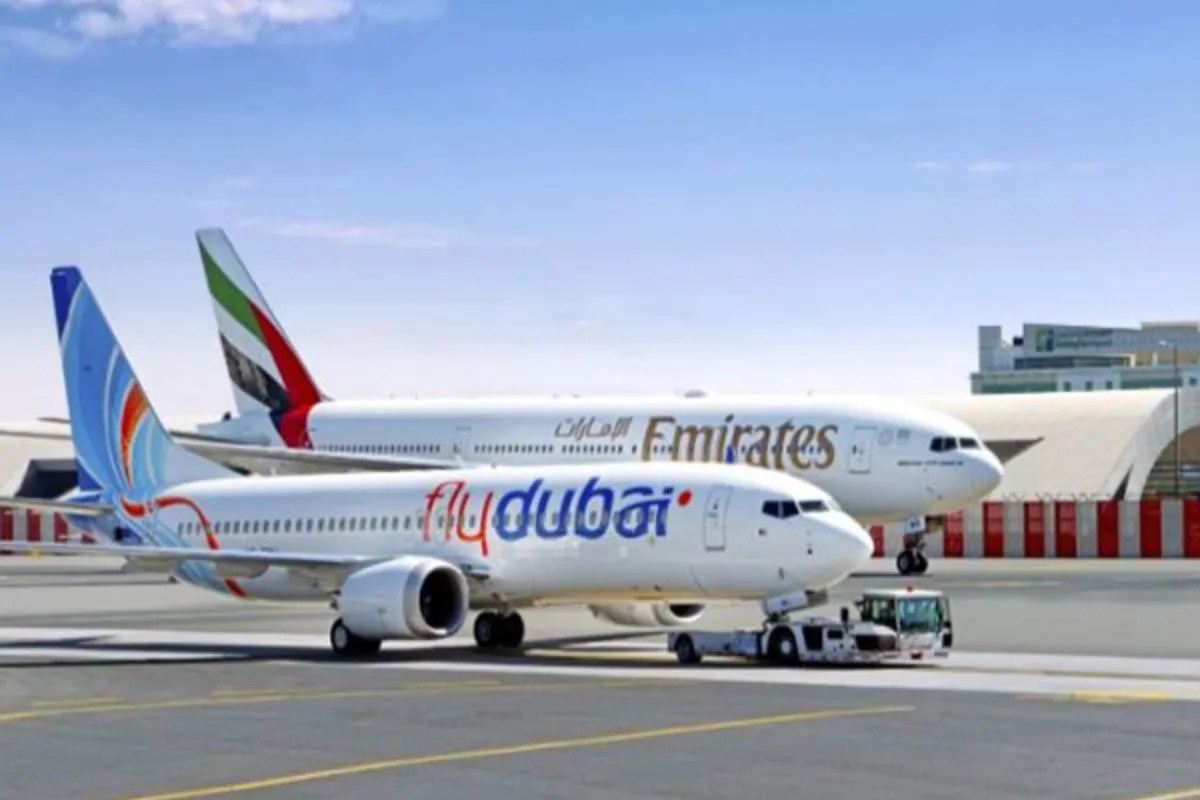
When Flydubai Flight 1073 from Dubai to Tel Aviv plunged 17,000 feet in a terrifying matter of minutes, the passengers in the cabin had no idea they were living through a rogue pilot incident. All they knew was chaos, blood, and the distinct feeling that they were about to die.
Let's cut through the rumor mill. What actually happened up front, why did the plane survive, and what does this terrifying episode mean for commercial aviation security moving forward?
Inside the Cockpit of Flight 1073
The flight was routine until it wasn't. Captain Smit Machchhar was flying the Boeing 737 MAX alongside first officer Hamam al-Hammami. Two hours into the journey, investigators and subsequent witness accounts revealed that the routine environment shattered completely.
Al-Hammami launched a sudden attack on Captain Machchhar, using the cockpit crash axe. Blood pooled inside the flight deck. While taking heavy blows to the head and defending himself, Captain Machchhar retained just enough consciousness and physical awareness to hit the emergency override switch to unlock the heavy reinforced cockpit door.
Meanwhile, the aircraft pitched nose-down, sending the cabin into a violent, rapid descent. Passengers heard screaming from the front, and when the door briefly gave way, they saw the shocking reality of blood-streaked walls and a wounded captain fighting for his life.
Passengers and Deadheading Pilots Turn the Tide
Commercial aviation security relies on the absolute isolation of the cockpit. But what happens when the threat is already inside the room?
This is where the standard narrative breaks down. A group of passengers, including a dentist and off-duty professionals, rushed forward. More importantly, two deadheading Flydubai pilots were traveling in the cabin. They managed to breach the flight deck, physically overpower and restrain the attacker using headphone wires and cable ties, and take over the controls.
They stabilized the aircraft from a catastrophic dive and diverted the flight for an emergency landing in Tabuk, Saudi Arabia. Captain Machchhar survived despite severe head trauma and blood loss, later recounting that he kept fighting because he refused to let anyone else die on his watch.
The Aftermath and Aviation Security Gaps
Governments across the region scrambled to respond. Emirati authorities labeled the incident a dangerous terrorist act, while investigations pointed to radicalization and an attempted suicide-hijacking.
The incident forced aviation regulators to stare down an uncomfortable question: how do you secure a cockpit against the person sitting in the other seat? Since the post-9/11 era, the entire industry focused on keeping unauthorized people out. Heavy doors, deadbolts, and video surveillance systems were designed to protect pilots from external threats. They were never engineered to handle an insider threat armed with emergency equipment already stored inside the room.
Why This Changes Commercial Flying
You're going to hear a lot of noise about immediate protocol overhauls. Real change takes time. Airlines are quietly re-evaluating how cockpit crew members are vetted, monitored, and psychologically supported throughout their careers.
When you board your next flight, the invisible contract between you and the flight crew still stands. But Flight 1073 proved that safety sometimes depends on the extraordinary resilience of ordinary people stepping up when the front line fails. Keep your seatbelt fastened, pay attention to the safety brief, and remember that the people in the back might just save the day if the worst happens.