Every single report tracking maritime conflict in the Middle East operates on a comforting, lazy delusion. When analysts parse the latest spike in vessel strikes or drone intercepts through the Strait of Hormuz, they write as if energy markets are fragile porcelain waiting to shatter at the next loud noise. They count hulls, measure insurance premiums like anxious meteorologists watching a barometer, and whisper about catastrophic supply shocks.
It is all noise. It completely misunderstands how modern global supply chains actually survive pressure.
I have watched risk desks panic over every flare-up for over a decade. The consensus is always the same: a higher volume of attacks equals an imminent chokehold on global energy. That narrative treats the world's most vital maritime corridor like a fragile bottleneck. In reality, the logistics network underpinning global oil and liquefied natural gas is an adaptive, hyper-resilient organism with more fail-safes than any casual observer realizes.
Let us look past the sensational metrics and dismantle the prevailing panic.
The Flawed Physics of Chokepoint Panic
The dominant theory in security reporting relies on a linear equation. Tanker gets hit, insurance rates spike, spot freight skyrockets, and global energy supply grinds to a halt. It sounds logical on a whiteboard. It completely ignores how commercial actors behave when margins are measured in fractions of a cent.
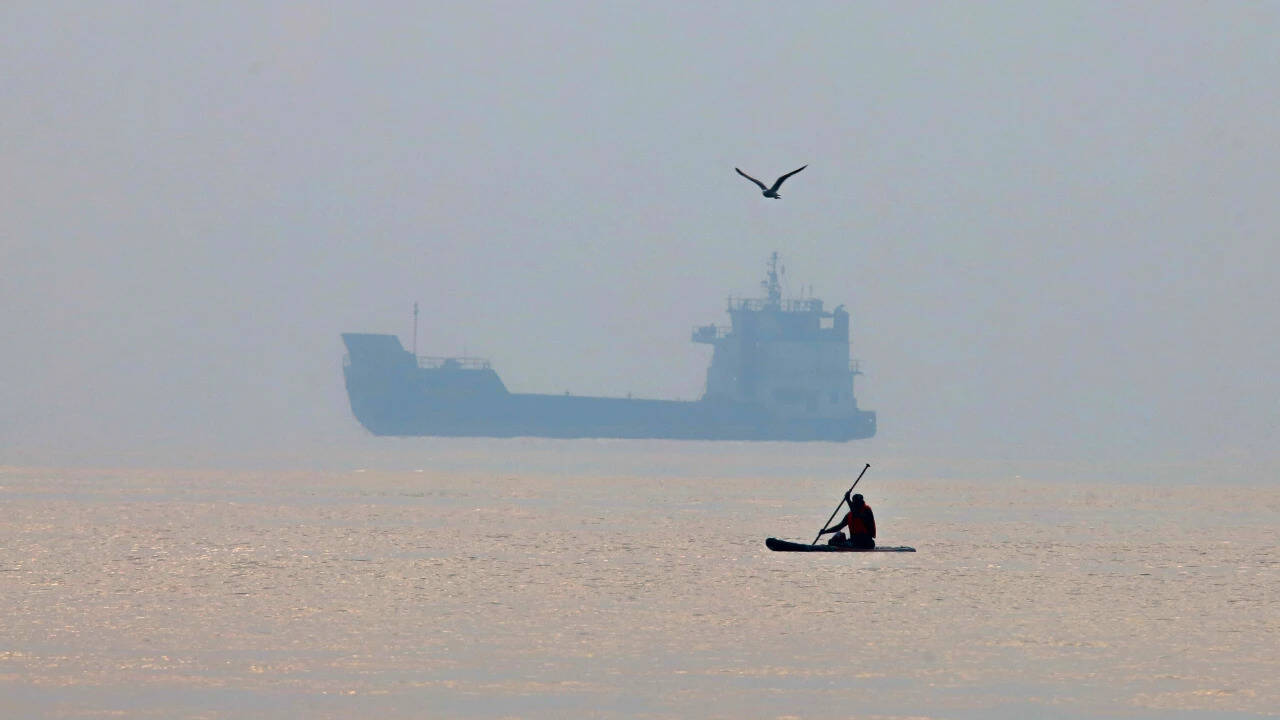
When threats escalate in the Persian Gulf, shipowners do not simply march blindly into the crossfire because a charter was signed. They alter routes, adjust speeds, deploy passive defense suites, or simply let alternative pipelines do the heavy lifting. The East-West crude oil pipeline across Saudi Arabia and the Habshan-Fujairah pipeline in the United Arab Emirates were specifically engineered to bypass the Strait of Hormuz entirely.
When analysts scream about a week-long spike in kinetic incidents, they treat the waterway as a static pipe rather than a dynamic routing market. Tankers are fungible assets. Crude is a liquid asset in the most literal sense—it flows toward profit and away from risk with ruthless efficiency.
The Insurance Cartel Illusion
Let us talk about the real engine of maritime anxiety: the Lloyd's market and war risk premiums.
Every time a projectile makes contact with a VLCC or a product carrier, marine insurers adjust their war risk surcharge. Media outlets treat these percentage jumps as existential threats to the global economy. This is amateur hour.
A war risk premium jumping from zero point two percent to one percent of a hull's value sounds dramatic. On a vessel worth one hundred million dollars, that moves the cost per voyage from two hundred thousand dollars to one million. On a two-million-barrel cargo of Brent crude trading at seventy or eighty dollars a barrel, a few hundred thousand dollars in extra insurance is a rounding error. It is a friction cost, not a barrier to trade.
Shippers do not halt operations because insurance gets expensive. They pass the cost down the line to refiners, who pass it to petrochemical plants, who pass it to consumers at the pump. The market absorbs the shock in milliseconds. The idea that a few skirmishes in a narrow channel can starve industrial economies assumes that capitalism lacks the flexibility to price in a war tax. Capitalism loves a war tax; it prices it, hedges it, and keeps moving.
What Real Risk Management Looks Like
If you want to understand how maritime commerce handles hostility, look at the operators who do not panic. Major commodity traders and state-backed shipping conglomerates do not care about geopolitical rhetoric or weekly incident counts. They care about flow continuity.
They maintain private intelligence networks that dwarf public state assessments. They stagger departures, utilize ghost-tracking protocols within legal boundaries, and maintain direct lines to naval escorts. When an attack occurs, the reaction time of a seasoned fleet manager measures in minutes, not days.
The amateur mistake is assuming that a spike in attacks means a breakdown in control. Often, it means the opposite: both state actors and commercial entities are probing the margins of engagement, establishing new thresholds of tolerance, and settling into a volatile equilibrium.
The Uncomfortable Truth About Energy Redundancy
The dirty secret of the global energy grid is that excess capacity exists precisely because chokepoints are vulnerable. For decades, producers have baked redundancy into their architecture precisely because they knew headlines like this were inevitable.
When the Strait of Hormuz experiences heightened friction, marginal production swings elsewhere. US shale responds with lightning speed to price signals triggered by Middle Eastern jitters. Floating storage inventories off major consumption hubs act as shock absorbers.
To believe that a temporary cluster of attacks can permanently sever the artery of global trade is to ignore how deeply hedged the entire system is.
Stop reading the hull counts. Stop panicking over weekly incident reports. The system is not breaking; it is pricing. And it will continue to flow long after the current batch of panic headlines fades into irrelevance.