Booking a flight to Rome or Madrid for July used to be the classic summer dream. Now, it's becoming a survival exercise.
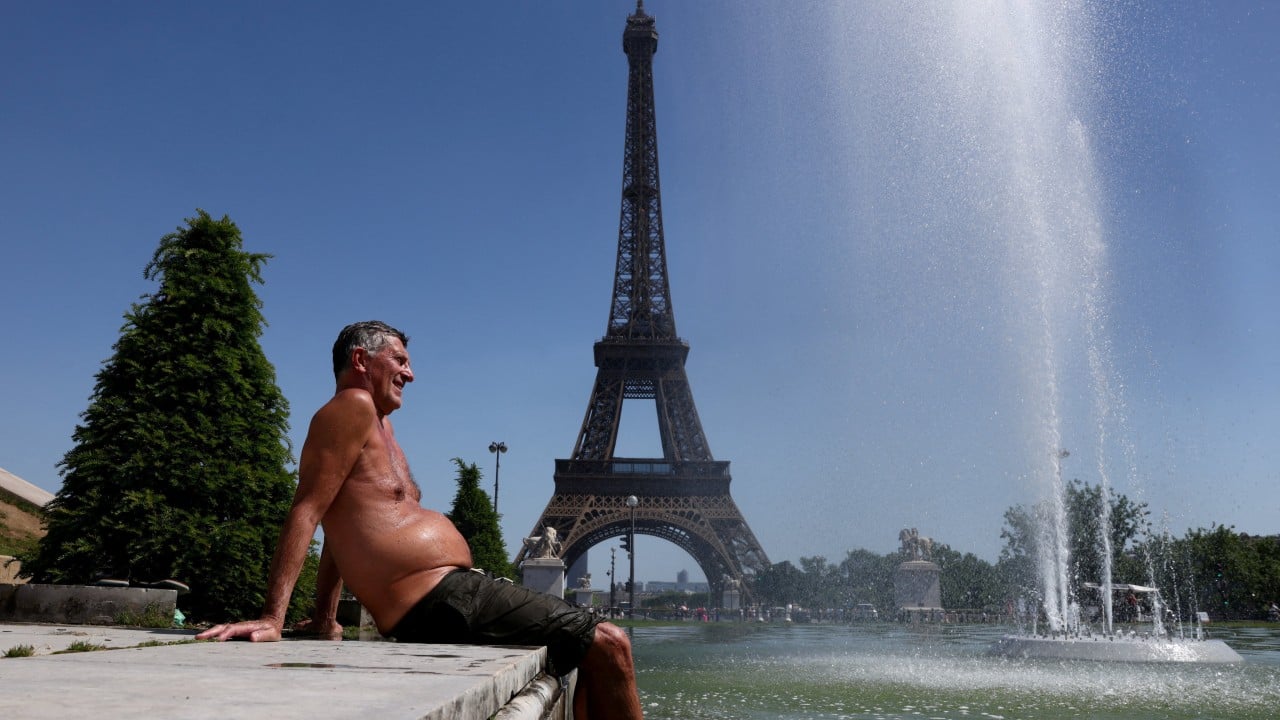
On June 21, 2026, the summer solstice hit with brutal force. An intense atmospheric phenomenon known as an African anticyclone pushed a massive wedge of Saharan air northward across the continent. It created a literal "heat dome" over western and central Europe, trapping the heat and driving daytime temperatures up to a staggering 40ºC (104ºF).
If you think this is just another hot week, you're missing the bigger picture. This isn't temporary anymore. It's a fundamental shift in how the continent operates. The reality is that the European summer vacation as we knew it is dying. The traditional mid-summer travel peak is transforming into a logistical nightmare, and the local ecosystems are paying an even heavier price.
The Mid-Summer Travel Shift
For decades, the peak of European tourism sat squarely between late June and late August. Businesses counted on it. Travelers planned for it. But when cities like Milan, Bologna, Florence, and Turin are slapped with consecutive red alerts for extreme heat, the appeal of a walking tour vanishes.
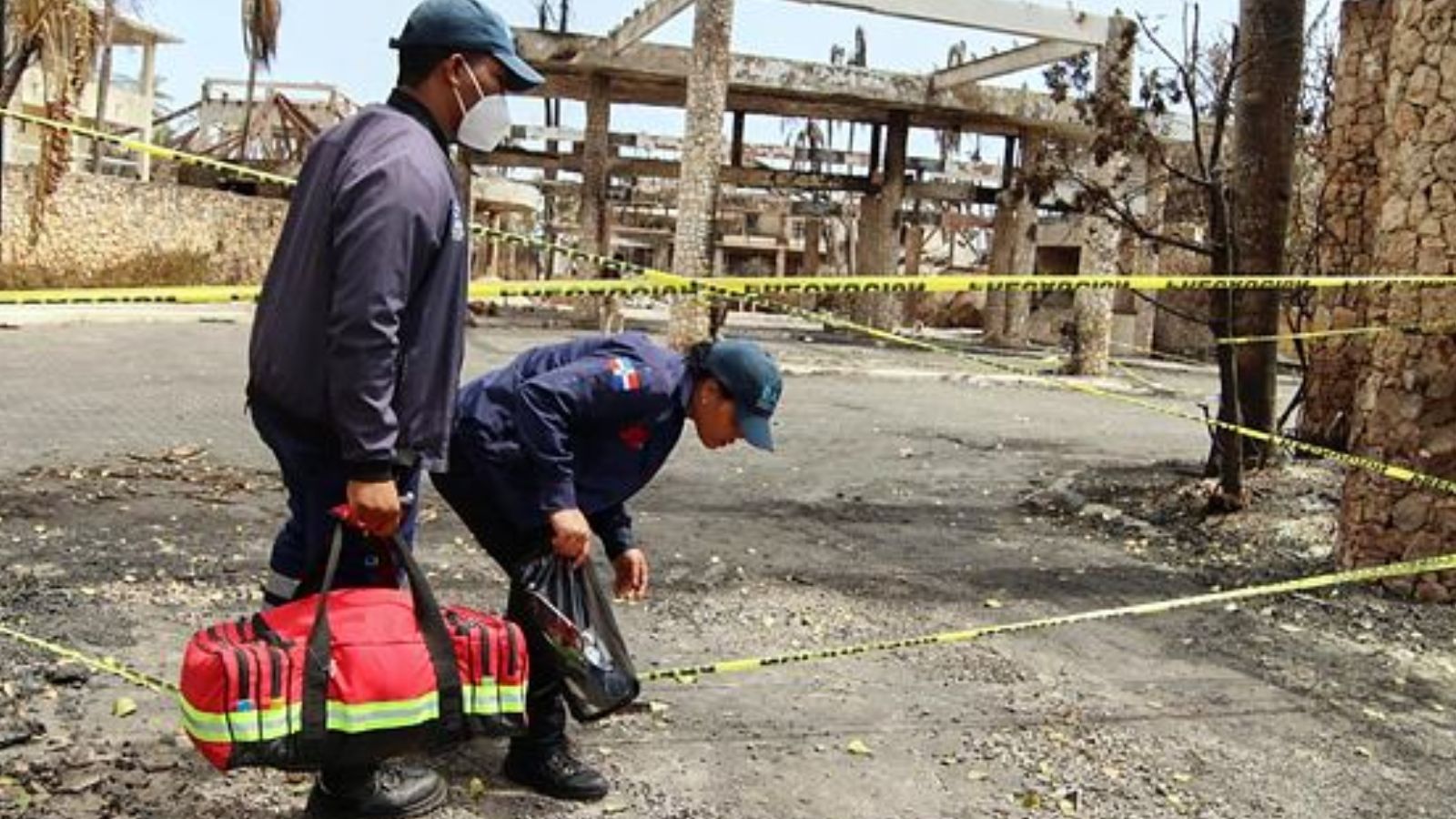
I've watched how this plays out on the ground. When the temperature crosses 38ºC, asphalt softens, historic stone squares turn into ovens, and public safety overrides leisure. In France, the national rail operator SNCF had to pull 71 intercity trains off the tracks during this solstice heatwave because the extreme heat threatened to warp the metal rails and snap overhead power lines. Imagine landing in Paris only to find your regional connections canceled because the infrastructure itself is melting.
What we are seeing now is the birth of "shoulder season dominance." Savvy travelers aren't booking July anymore. The European Travel Commission noted a sharp 5.6% rise in international arrivals during the early months of 2026. People are shifting their trips to April, May, or October to find milder weather.
The destinations are changing too. Southern Spain and Italy are losing their absolute monopoly on summer travel. Instead, northern and western coastal areas like Ireland, northern France, and even Scandinavia are seeing spikes in summer bookings from people who simply want to breathe. The travel industry calls it "coolcationing." It's not a fad; it's a structural adaptation to a warming planet.
Wildlife and Ecosystems Under Acute Stress
While human tourists can retreat to an air-conditioned hotel lobby or buy a cheap electric fan from a market in Madrid, local wildlife doesn't have a backup plan. The timing of these early-summer heat domes is particularly devastating for biodiversity. June is a critical window for breeding, nesting, and growth across European ecosystems.
Take a look at what's happening at rescue centers across Western Europe. In Belgium, wildlife stations reported a massive surge in admissions during the June heat spike, taking in roughly 150 distressed animals in a matter of days. The majority were young birds. Nestlings get trapped in baked roof spaces or dehydrated in exposed nests, forcing them to jump before they can fly.
On land, the lack of rainfall makes things worse. Large parts of central Europe entered June with rainfall totals that were up to two-thirds below the long-term average. Small streams and natural watering holes are drying up completely, forcing mammals and amphibians to venture closer to urban areas in search of water, which increases vehicle collisions and conflicts with humans.
The crisis extends underwater. The Copernicus Climate Change Service pointed out that these land-based heatwaves are directly linked to severe marine heatwaves in the western Mediterranean and the Bay of Biscay. The sea surface temperatures are breaking records, which does two things: it devastates marine habitats like seagrass meadows, and it prevents the land from cooling down at night. When the sea stays hot, the coastal cities stay hot all night long, offering no recovery time for humans or animals.
Surviving the New European Climate Reality
If you are planning to travel to Europe over the next few years, you need to abandon the old playbook. Assuming you can just wing it and walk around a historic center at noon will land you in a hospital with heat exhaustion.
- Shift your daily clock. Follow the local habits. Wake up early, do your outdoor sightseeing between 7:00 AM and 10:30 AM, then retreat indoors during the peak UV hours. Re-emerge after 7:00 PM when the sun drops.
- Track infrastructure alerts. Don't just check the weather app; check the local transit apps. When red alerts are active in countries like Italy or Spain, rail networks often implement speed restrictions or cancel routes entirely to protect the lines.
- Prioritize green spaces over stone. Urban heat islands are real. A stone-paved square can feel up to 10 degrees hotter than a nearby shaded park.
The era of predictable, sun-drenched European summer escapes is gone. Adapting your timing and destination isn't just about comfort anymore; it's about making sure your trip can actually happen.