The European Union just threw a massive wrench into Google's tightly guarded ecosystem, and the ripples are going to shake up your smartphone experience by next year.
In a pair of legally binding decisions, the European Commission is forcing Google to hand over its most prized possession—its search data—and strip away the exclusive home-field advantages its Gemini assistant enjoys on Android.
This isn't just another boring antitrust fine. It is a fundamental rewiring of how mobile AI and search will work.
The Android Monopoly is Cracking
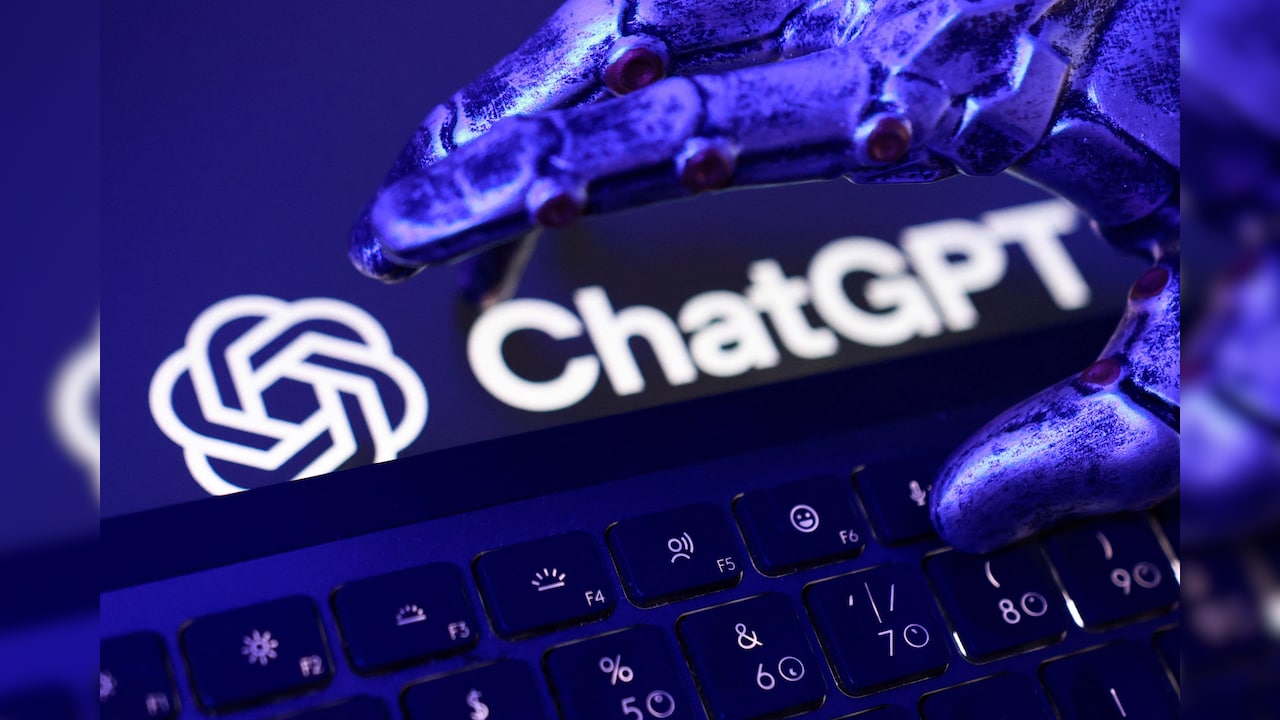
If you have ever tried using ChatGPT or Claude on an Android phone, you know they feel like second-class citizens. They are basically just apps sitting in a grid. They don't have deep integration.
Meanwhile, Google's Gemini lives deep inside the operating system. It can listen for "Hey Google" in the background, read what is on your screen, control your phone's hardware, and take actions across your other apps.
The EU decided that this unfair advantage violates the Digital Markets Act (DMA). Under the new ruling, Google must give third-party AI assistants the exact same system-level access that Gemini enjoys.
By July 2027, European Android users will be able to:
- Set ChatGPT, Claude, or any other assistant as their default system-level AI.
- Use voice commands to wake up these rival assistants natively.
- Allow third-party AI to perform deep tasks, like booking a ride or reading on-screen context to draft replies in messaging apps.
This completely levels the playing field for mobile AI. If you prefer Claude's writing style or ChatGPT's voice mode, you will finally get to use them as the true "brain" of your phone.
Handing Over the Keys to the Search Kingdom
The second directive is even more controversial. The EU is ordering Google to share its anonymized search data with rival search engines and AI chatbot startups starting January 2027.
Think about why search startups like Perplexity struggle, or why chatbots sometimes hallucinate wild facts. It is because they lack the massive, real-time web index and click data that Google has spent over two decades building. Google knows what people are looking for, what they click on, and what info is actually fresh.
Now, under DMA Article 6(11), Google has to share its query, ranking, click, and view data on "fair, reasonable, and non-discriminatory" (FRAND) terms.
This means players like OpenAI, Anthropic, and smaller European search projects can buy access to Google's search signal. Their search tools and AI models will suddenly get incredibly smart, fast.
Google's Alarm Bells: Privacy or Protectionism?
Unsurprisingly, Google is furious. The company is hitting back with warnings that these mandates pose major security risks.
Kent Walker, Google's head of global affairs, warned that the ruling could expose Europeans' private search queries to unfamiliar external companies without clear consent. Google also argues that bypassing phone manufacturers' safety checks to give external AI apps deep system permissions on Android is a massive security hazard.
Is Google right to worry? Partially. Anonymizing search data is incredibly difficult. If a user searches for their own highly specific address, or enters private health info, "anonymized" text can still reveal who they are.
But let's be real. Google is also desperate to protect its cash cow. If anyone can build a search engine as good as Google's by simply licensing their data, Google's ad-revenue moat evaporates.
What Happens Next?
The technical details of how this data sharing and system integration will work are still being hammered out by the European Commission. If Google refuses to play ball, it faces catastrophic fines of up to 10% of its global annual turnover.
For consumers, the outcome is clear. If you live in the EU, your Android phone is about to become highly customizable. You will have the freedom to kick Gemini to the curb and run your phone entirely on the AI of your choice. For the rest of the world, it is highly likely that these changes will eventually pressure Google to open up globally, rather than maintaining two completely different operating systems.
If you want to keep tabs on how this unfolds, prepare for a messy, highly technical battle between Silicon Valley and Brussels over the next year.