Cold.
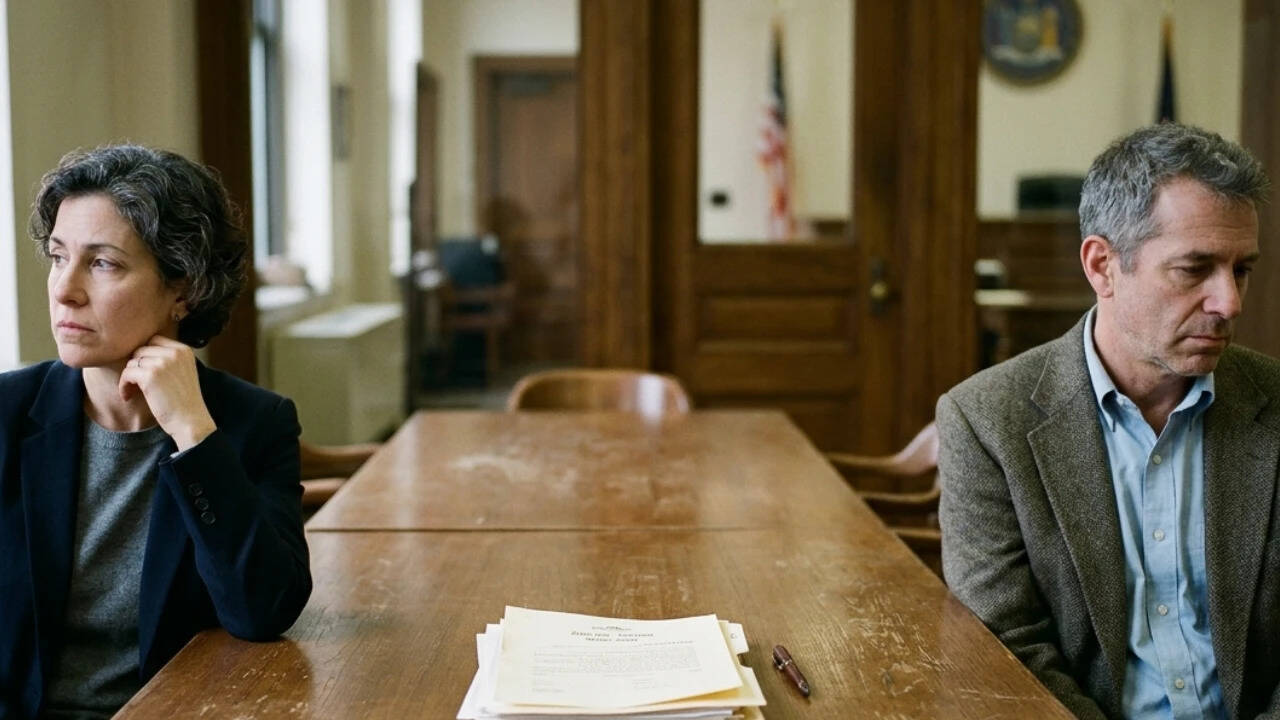
That is the first thing you notice when you stand near a diplomatic negotiating table in mid-winter, miles away from the mud and the artillery, yet close enough to feel the draft coming off a continent holding its breath. For months, the geometry of the proposed talks to end the war in Ukraine looked like a closed room with two heavy doors—one marked Washington, the other marked Moscow—and a long, echoing hallway outside where the rest of Europe stood waiting for someone to crack the latch. Expanding on this idea, you can find more in: What Most People Get Wrong About California El Niño Winter Forecasts.
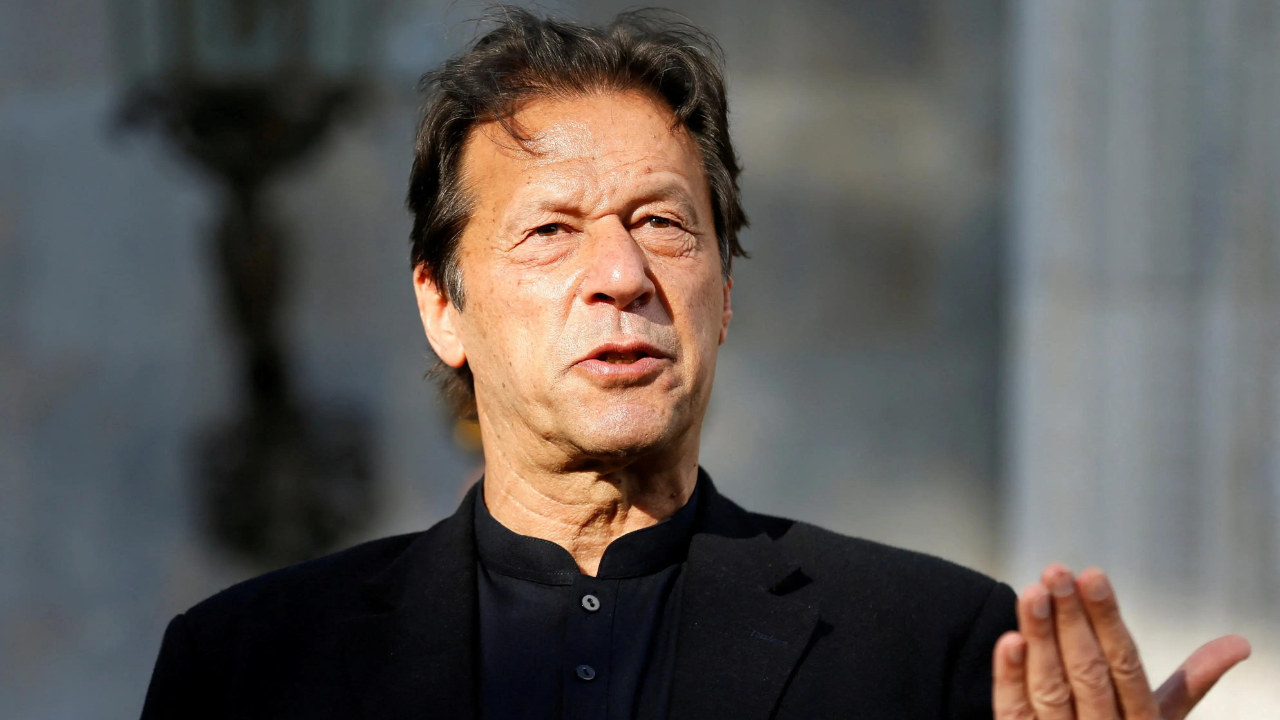
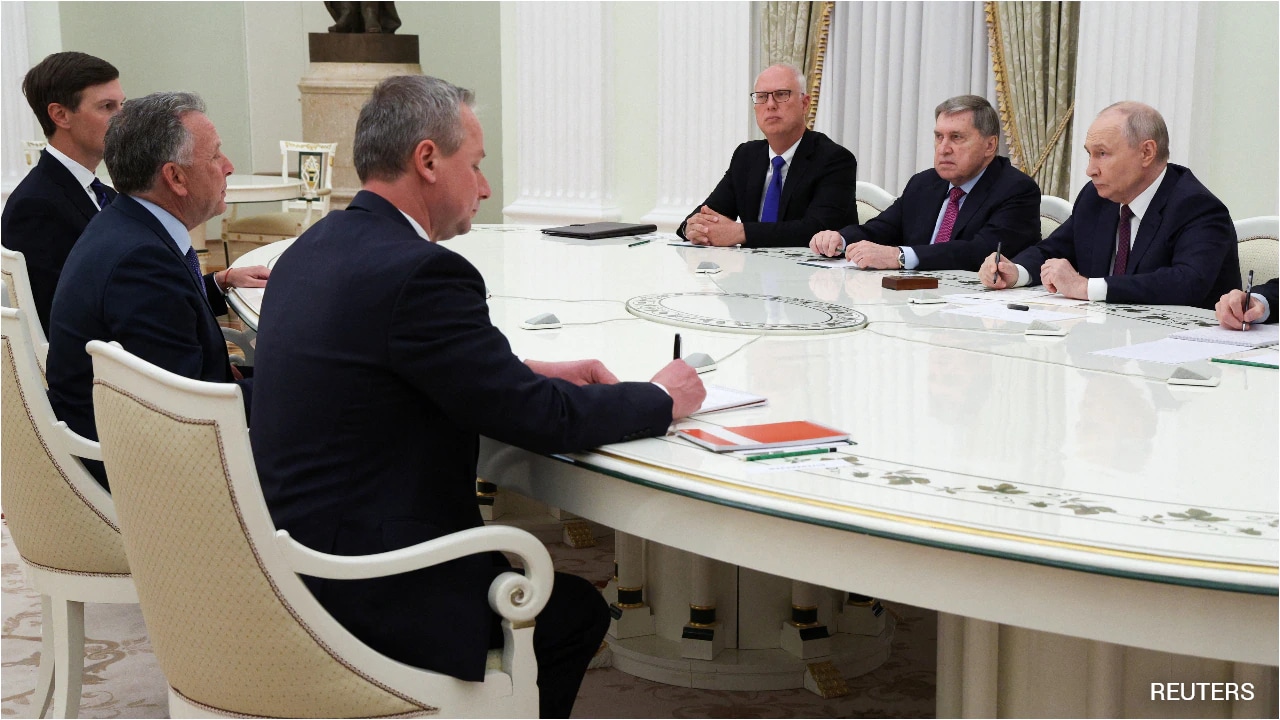
Then came the shift. Russian President Vladimir Putin signaled that he would agree to let European representatives join the Ukraine peace talks.
On paper, that single sentence reads like a dry bureaucratic adjustment, the kind of wire-service headline people skim between coffee sips before checking the weather. Yet if you have ever watched a family argue over the fate of a shared house from across a street, or sat in a regional transit hub in Central Europe listening to mothers speak softly in Ukrainian while checking air-raid alerts on glowing phone screens, you know that who gets a chair in that room changes everything. Observers at Al Jazeera have provided expertise on this trend.
Diplomacy is rarely about the ink on the final page. It is about who has the right to hold the pen before the ink dries.
The Architecture of Exclusion
To understand why a seat at the table carries such weight, picture a hypothetical scene that mirrors the real tension behind closed doors in Brussels, Warsaw, and Kyiv.
Imagine Elena, a composite figure representing thousands of mid-level European foreign ministry aides who have spent the last several years drafting contingency plans that never seem to reach the main stage. Picture her sitting in a fluorescent-lit briefing room in Brussels at two in the morning, surrounded by lukewarm espresso cups and thick binders detailing energy grid repairs, border security guarantees, and reconstruction financing. Her government has sent billions in aid, absorbed millions of refugees, and rewritten its defense budget from scratch. Yet when the earliest outlines of bilateral peace discussions began circulating between American and Russian envoys, Elena and her colleagues found themselves learning about the contours of their own continent's security through leaked press briefings.
That is not just a bruised diplomatic ego. It is a structural flaw.
Think of European security like a load-bearing wall in an old apartment building. Two neighbors on opposite ends of the block can negotiate a truce over noise complaints, and they might even shake hands in the courtyard. But if the terms of their agreement require knocking down the central wall that holds up the floors above, the people living on the second and third stories cannot simply be handed a receipt after the demolition crew arrives.
When Moscow initially resisted direct European involvement in high-level peace negotiations, the logic from the Kremlin was clear and deliberate. Dealing strictly with Washington framed the conflict not as an invasion of a sovereign European neighbor, but as a grand geopolitical settlement between two superpowers—a modern echo of Yalta, where borders and spheres of influence were drawn over the heads of the nations living inside them. By keeping European leaders in the antechamber, Russia could portray the European Union and NATO's European pillar as mere spectators, fractured and dependent, while attempting to drive a wedge between transatlantic allies.
Why Moscow Opened the Door
So why change course now? Why agree to pull up extra chairs for European representatives?
Diplomats and analysts who have spent decades tracking Kremlin strategy point out that concessions in Moscow are almost never acts of sudden generosity; they are instruments of leverage. Letting Europe into the room serves several intersecting calculations at once.
First, there is the sheer financial and physical reality of what comes after any ceasefire. Even if Washington and Moscow were to draft an agreement tomorrow, the United States is not going to patrol every kilometer of a demilitarized buffer zone indefinitely, nor is American taxpayers' money going to single-handedly rebuild shattered cities from Kharkiv to Odesa. Europe holds frozen Russian central bank assets worth hundreds of billions of dollars. Europe controls the sanctions regimes on Russian energy, banking, and industrial imports that sting the Russian economy every single day. You cannot negotiate the lifting of European sanctions or the unfreezing of European-held accounts without Europeans in the room to sign the release forms.
Second, bringing European representatives into the talks introduces a new set of variables that Moscow may believe it can navigate. Europe is not a single voice; it is a chorus of twenty-seven EU member states plus the United Kingdom, each carrying its own domestic pressures, energy vulnerabilities, and historical memories. The urgency felt in Tallinn or Warsaw—capitals that sit within a short drive of the Russian border—does not always match the political calculations in Madrid, Rome, or Budapest. By inviting Europe to the table, the Kremlin gains a direct stage on which to test European unity, probe for fatigue, and offer tailored incentives to states eager to normalize trade or stabilize energy prices.
Consider what happens next when those doors finally swing open. The room becomes louder, slower, and infinitely more complicated.
The Weight Inside the Room
If you have ever been in a mediation where the stakes involve actual survival rather than corporate mergers, you know the air in the room feels thick, almost metallic. Nobody raises their voice at first. People speak in careful, measured paragraphs about "security architectures," "monitoring mechanisms," and "phased compliance."
Behind every clinical phrase, however, sits an unyielding human reality.
For Ukrainian negotiators, the presence of European allies at the table is both a shield and a necessity. Kyiv has consistently maintained that no decisions about Ukraine should be made without Ukraine, and no decisions about European security should be made without Europe. Having French, German, British, Polish, or EU institutional envoys seated beside them prevents a scenario in which Ukraine is pressured into a bilateral arrangement with no credible European enforcement behind it. After all, Ukraine's long-term future—its economic survival, its legal integration, its eventual membership in the European Union—ties directly to Brussels, not Moscow.
Yet honesty requires admitting something uncomfortable: bringing Europe into the talks does not automatically bring peace closer. In fact, in the short term, it makes an agreement harder to reach.
More parties mean more red lines. Washington may prioritize a rapid halt to active hostilities to shift strategic focus elsewhere. Moscow seeks formal recognition of territorial realities on the ground, permanent neutrality for Ukraine, and a rollback of NATO's eastern posture. Meanwhile, European leaders—especially those along NATO's eastern flank—view any settlement that rewards territorial conquest as an open invitation for future aggression against their own borders. If a peace deal leaves Russia rearmed and unpunished on the edge of Poland and the Baltic states, European governments know they will spend the next generation living under a permanent shadow of mobilization.
I remember speaking years ago with an elderly archivists' assistant in Warsaw who had spent her life cataloging post-war boundary maps. She ran a finger along a faded blue line drawn in 1945 and said something that stays with you long after the textbooks close: "Maps look clean because paper doesn't bleed. Once someone draws a line to buy themselves a quiet weekend, the people living on that line spend fifty years paying the interest."
That is the invisible stake hovering over every diplomat packing a briefcase for these talks.
The Illusion of the Ink
There is a temptation, whenever headlines announce a breakthrough in diplomatic formatting, to exhale and assume the worst is over. We want the story to move cleanly from conflict to resolution, from artillery fire to fountain pens.
History warns against that comfort. The Minsk agreements of 2014 and 2015 also featured European leaders—France and Germany—sitting across from Russia and Ukraine, hammering out multi-point ceasefires through sleepless nights in Belarus. Those documents were praised at the time as pragmatic off-ramps. Instead, because the underlying questions of sovereignty, enforcement, and accountability were papered over rather than resolved, those agreements became a temporary pause before a far larger catastrophe.
Agreeing to let European representatives join the peace talks is not a peace treaty. It is an acknowledgment of reality—an admission that a war fought on European soil, reshaping European borders and draining European treasuries, cannot be settled behind Europe's back.
Whether that seat at the table becomes a genuine instrument for a durable, just settlement or merely a wider stage for protracted stalemate depends on what those representatives bring with them when they walk inside. Not just position papers and talking points, not just the exhaustion of years of crisis management, but the memory of why those chairs were empty in the first place—and the millions of lives waiting outside the door to see if the walls will actually hold.