Salt air carries a sharp, metallic tang when the Mediterranean wind shifts before a storm.
Stand on the limestone cliffs overlooking Antalya in November, and you can feel that shift in your bones long before the first dark clouds roll over the Taurus Mountains. Down below, behind rings of steel barricades and black-windowed SUVs, thousands of diplomats, bankers, and heads of state are adjusting their silk ties inside air-conditioned convention halls. They have gathered along Turkey’s southern coast for COP31, the thirty-first United Nations climate summit, carrying thick briefing binders and speaking the cautious, bloodless dialect of international consensus.
Yet the loudest presence in Antalya is an absence.
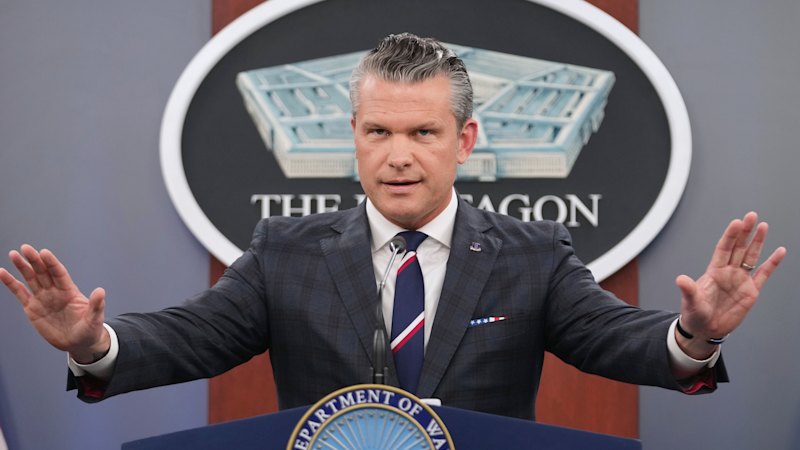
Walk past the main plenary hall, past the national pavilions gleaming with brushed aluminum and digital screens touting net-zero pledges, and look toward the seats reserved for the world’s largest historical emitter and largest economy. They are largely hollow. The United States—having formally withdrawn from the Paris Agreement once again—has chosen to sit out the high-level negotiations in Turkey, leaving an empty chair at the exact table where the rules of the next decade are being drafted.
Silence.
It is easy to read a headline about diplomatic boycotts and feel nothing at all, to scroll past the familiar choreography of global climate summits as if they were distant weather reports from another planet. We have grown numb to the acronyms, the decimal points of warming, the endless tug-of-war between pledges and reality. But step away from the podiums for a moment, and that empty chair in Antalya stops looking like a geopolitical maneuver and starts looking like a bill coming due on your own kitchen table.
The Ghost in the Plenary Hall
To understand why a vacant seat on the Turkish Riviera matters to a homeowner in Ohio, a farmer in central Anatolia, or a factory owner in Germany, picture a hypothetical neighborhood facing a slow-moving wildfire.
Imagine twelve families living along a dry canyon ridge. Eleven of them drag garden hoses into the street, pool their savings to buy water tanks, and argue late into the night over who owes what for the pump. Meanwhile, the wealthiest neighbor—the one with the industrial-grade water main and the biggest stockpile of dry brush stacked against his fence—locks his front door, turns off the porch light, and refuses to come outside. The remaining eleven neighbors keep arguing, keep hauling buckets, keep trying to agree on a firebreak. Everyone knows the math will never quite add up without the house at the end of the block.
That is the quiet, suffocating tension hanging over COP31 in Antalya.
For thirty-one years, the Conference of the Parties has operated on a fragile premise: that nations will voluntarily surrender short-term economic comfort to prevent a shared, long-term catastrophe. When I walked through earlier climate summits, standing in crowded corridors smelling of stale espresso and wet wool coats, the air always hummed with a particular kind of exhausted hope. You watched delegates from small island nations—men and women whose grandparents’ graves are already being swallowed by rising tides—cornering energy ministers from wealthy industrialized countries, pleading for every tenth of a degree.
In Antalya, the mood has curdled into something sharper and more transactional. Without Washington’s top negotiators in the room, the gravity of the summit shifts. Other major powers step into the vacuum, not necessarily out of altruism, but out of cold commercial calculation. China’s massive pavilions and trade delegations dominate the floor, showcasing solar panels, grid-scale batteries, and electric vehicles at prices no Western manufacturer can currently match. The European Union tries to hold the regulatory line, while developing nations—burdened by crushing debt and battered by extreme heatwaves—demand the trillions in climate finance promised in previous rounds.
When the United States steps back from COP31, emissions do not pause. Atmospheric physics does not recognize executive orders or diplomatic walkouts. Carbon dioxide molecules do not check passports before trapping heat in the upper atmosphere. What changes is who writes the rules for the clean-energy economy—and who gets left paying the premiums for a transition they no longer control.
Outside the Barricades
Three miles from the manicured lawns of the summit venue, the sea tells a different story than the press releases.
Consider a hypothetical local fisherman named Mehmet, sixty-two years old, whose wooden hull has cut through the turquoise waters off Antalya since he was twelve. Twenty years ago, Mehmet knew the rhythm of the bay the way a watchmaker knows the teeth of a brass gear. He knew when the sea bream would run in October, when the surface water would cool enough to bring the schools closer to shore, and when the winter storms would blow themselves out.
Today, the water is too warm, too late into the year. Invasive species—lionfish and pufferfish slipping through the Suez Canal into a Mediterranean that now feels like the Red Sea—tear his nets and devour native stocks. His fuel costs have climbed, his catch has shrunk, and his son has given up the boat entirely to work seasonal shifts at a resort hotel whose concrete seawall has to be repaired every winter after heavier, angrier swells.
Mehmet will never hold a credential badge for COP31. He will never sit on a panel discussing "loss and damage" mechanisms or carbon credit markets. Yet his shrinking catch is the exact human currency being traded inside those conference rooms.
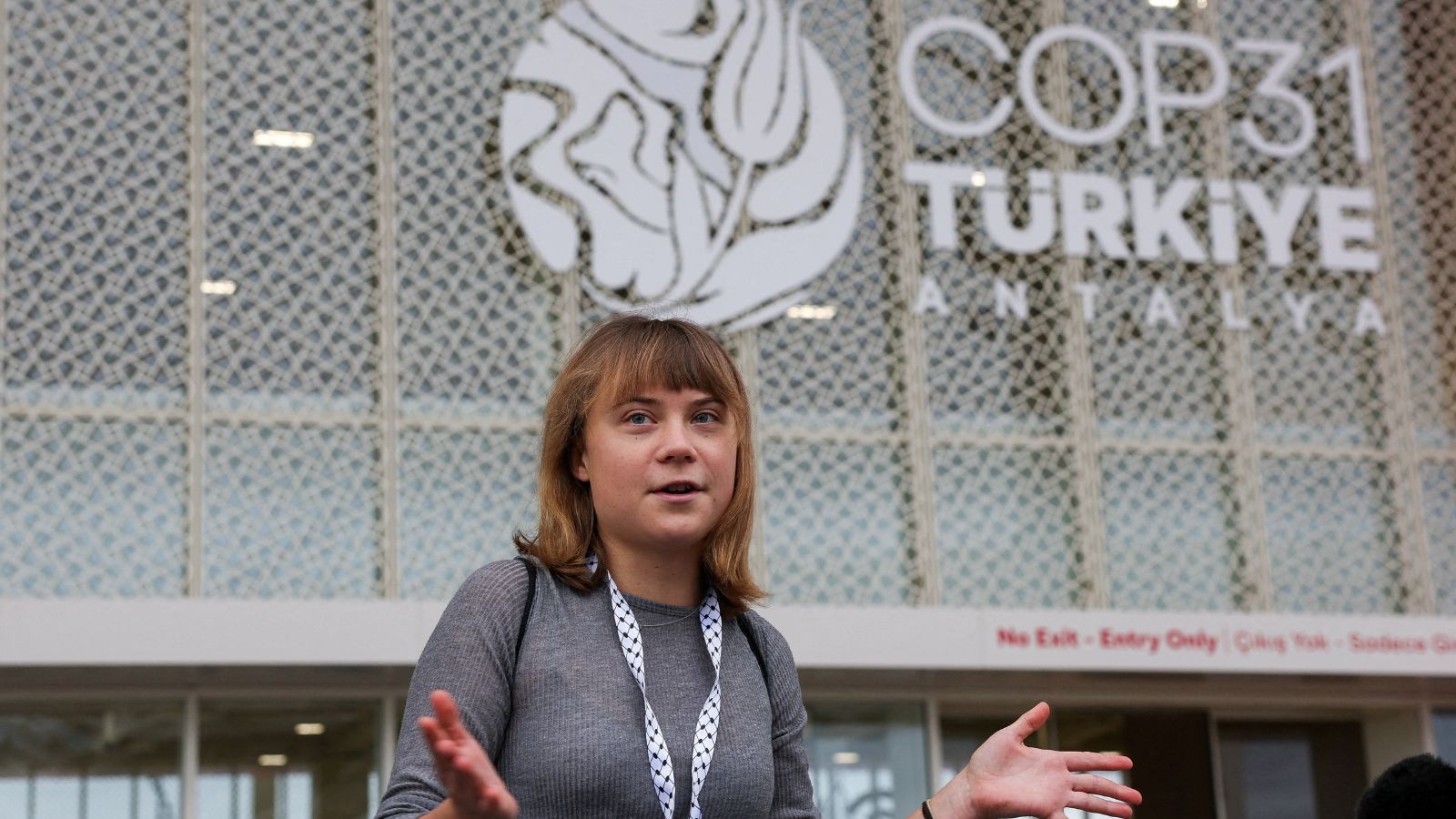
This is the disconnect that has fueled a new wave of fury outside the gates of Antalya. Alongside thousands of local activists, indigenous leaders, and youth organizers, Greta Thunberg has returned to the streets near the summit, her voice cutting through the hum of police helicopters and idling motorcades. Her critique is no longer the wide-eyed plea of a teenager sitting alone outside the Swedish parliament with a painted wooden sign; it is the hardened indictment of someone who has watched thirty-one summits produce thirty-one communiqués while global fossil fuel emissions continued to climb toward record highs.
"They are trading our future in rooms where the biggest polluters don't even bother to show up," she told crowds gathered beyond the security perimeter, rejecting the polished optimism of corporate sponsors and government spokespeople alike.
It is tempting to dismiss Thunberg’s bluntness as idealistic theater, just as it is tempting to dismiss the diplomats inside as cynical bureaucrats. Both caricatures miss the deeper truth. The clash between the street and the summit in Antalya is not a simple morality play between heroes and villains. It is a collision between two incompatible clocks.
Two Clocks Ticking at Once
Politicians and corporate boards live by an electoral and quarterly clock. Their horizon stretches two, four, maybe five years ahead—just far enough to survive the next ballot box or earnings call. Cutting fossil fuel subsidies, retraining coal and gas workers, or taxing carbon-intensive imports carries immediate, visible political pain. Voters notice the price of gasoline on Tuesday morning; they do not thank a lawmaker for a heatwave that was slightly less lethal twenty years from now.
The climate system runs on a geological clock, and right now, it is accelerating.
Over the past few years, global average temperatures have repeatedly flirted with and breached the 1.5-degree Celsius threshold above pre-industrial levels—the very guardrail the 2015 Paris Agreement was built to defend. We have seen what that tenth-of-a-degree creep looks like in real time: historic floods drowning industrial valleys in Central Europe, lethal wet-bulb temperatures shutting down outdoor labor across South Asia, catastrophic wildfires incinerating entire towns from Maui to the Mediterranean basin, and insurance companies quietly pulling out of coastal states because the actuarial math no longer works.
Think of the Earth’s atmosphere like a bathtub with the tap wide open and the drain partially clogged.
For decades, negotiators at these conferences have argued over how slowly to turn down the tap. One country promises to turn it down by ten percent next decade; another agrees to stop opening it wider by 2030. What almost no one wants to admit aloud is that as long as the tap stays open at all, the water level in the tub keeps rising. Stabilization does not happen when we slow the rate of emissions; it happens only when net emissions drop to zero.
And every year that a major economy steps away from the table—every year spent litigating whether the problem is real or affordable—forces the remaining years of transition to become steeper, faster, and far more expensive.
The Invisible Bill You Are Already Paying
If you live far from a crumbling coastline or a drought-stricken farm, you might still wonder what COP31 in Antalya actually does for your daily life. Why does a summit in Turkey matter when you are staring at grocery receipts or utility bills at home?
Because the cost of inaction is already embedded in the price of almost everything you buy, even if no line item labels it "climate tax."
Look at your morning coffee, your olive oil, your cocoa, your wheat bread. Prolonged droughts in West Africa, extreme heat across the Mediterranean, and erratic rainfall in the Americas have hammered agricultural yields, sending commodity prices surging across global supply chains. When harvests fail in one hemisphere, supermarket shelves in the other hemisphere get more expensive.
Look at your homeowner’s insurance policy. Across North America and Europe, reinsurance giants—the companies that insure the insurance companies—have radically repriced climate risk. Premiums are jumping by twenty, thirty, even fifty percent in regions once considered safe from extreme weather, while deductibles quietly climb. You do not have to believe in climate models to feel their impact; the actuary tables at major financial institutions have already priced them in.
And look at the industrial race unfolding inside Antalya’s side rooms. While the United States skips the main diplomatic track, energy ministries and sovereign wealth funds from Asia, the Middle East, and Europe are signing bilateral deals for critical minerals, green hydrogen, grid-scale storage, and next-generation nuclear and solar infrastructure.
Clean energy is no longer a boutique environmental hobby; it is the backbone of twenty-first-century industrial power. Countries that build the supply chains for batteries, transformers, and low-carbon steel will own the manufacturing jobs of the 2030s and 2040s. Countries that retreat into fossil-fuel nostalgia risk waking up in a decade to find they have ceded the defining technologies of the modern era to their geopolitical rivals.
I will admit something that rarely makes it into tidy policy briefs: watching this unfold is deeply disorienting. On one hand, the engineering progress over the last decade is staggering. Solar power has become the cheapest source of new electricity in human history. Battery storage costs have plunged faster than almost any analyst predicted ten years ago. Wind turbines, heat pumps, and electric grids are scaling at a pace that would have seemed like science fiction during the early climate summits.
On the other hand, fossil fuel demand has refused to fall, dragged upward by booming electricity needs from artificial intelligence data centers, air conditioning in warming cities, and heavy industry. We are living through an energy addition rather than an energy transition—piling clean megawatts on top of dirty ones without actually shutting down the smokestacks fast enough.
What Happens When the Anchor Drops
Yet even in the shadow of an empty American chair, Antalya reveals something vital about how change actually happens when top-down diplomacy stalls.
When a national government steps back, the rest of the world does not simply freeze. Inside the halls of COP31, governors, mayors, utilities, and corporate procurement officers from dozens of American states and cities have still shown up—quietly, doggedly—to keep their own commitments alive. California, New York, Texas wind operators, Midwest grid planners, and municipal leaders are still buying renewable power, hardening local infrastructure, and negotiating directly with international partners because economics, not ideology, dictates their survival.
Meanwhile, developing nations have stopped waiting passively for charity. Coalitions of climate-vulnerable countries are pushing for reform of the World Bank and International Monetary Fund, demanding debt relief tied to resilience projects and insisting on direct taxes on aviation, shipping, and fossil fuel extraction to fund adaptation without relying on the whims of any single election cycle in Washington or Brussels.
Real momentum rarely begins inside a plenary hall anyway. Historically, international treaties do not invent progress; they codify it once technology, economics, and public pressure make the old system untenable. The Montreal Protocol succeeded in saving the ozone layer not simply because diplomats signed a piece of paper in 1987, but because chemical alternatives existed, industry realized change was inevitable, and the human cost of doing nothing became impossible to ignore.
The tragedy of the empty chair in Antalya is not that it dooms the planet single-handedly. No single nation holds an exclusive veto over human ingenuity. The tragedy is the time it steals—the precious, irreplaceable years lost to friction, duplicated effort, and fractured trust while the Mediterranean grows warmer, the glaciers shrink thinner, and the margins for error narrow to a razor's edge.
Nightfall on the Coast
Late in the evening, after the plenary sessions adjourn and the black SUVs ferry delegates back toward their guarded beachfront resorts, the wind off the Gulf of Antalya finally drops.
Down by the old harbor, beneath the ancient stone walls that have watched Roman galleys, Ottoman fleets, and modern cruise ships pass through the same narrow channel, the water turns dark as polished obsidian. A few small wooden fishing boats bob gently against worn rubber tires tied to the pier. Their owners are asleep, waiting for four in the morning to cast their nets again into waters that no longer behave the way their fathers taught them.
Up on the hill, inside the brightly lit conference center, janitors sweep discarded draft texts and empty coffee cups from beneath a row of national flags, preparing the room for another morning of speeches, brackets, and compromises.
Outside, the sea keeps rising—patient, indifferent, and keeping its own exact accounts.