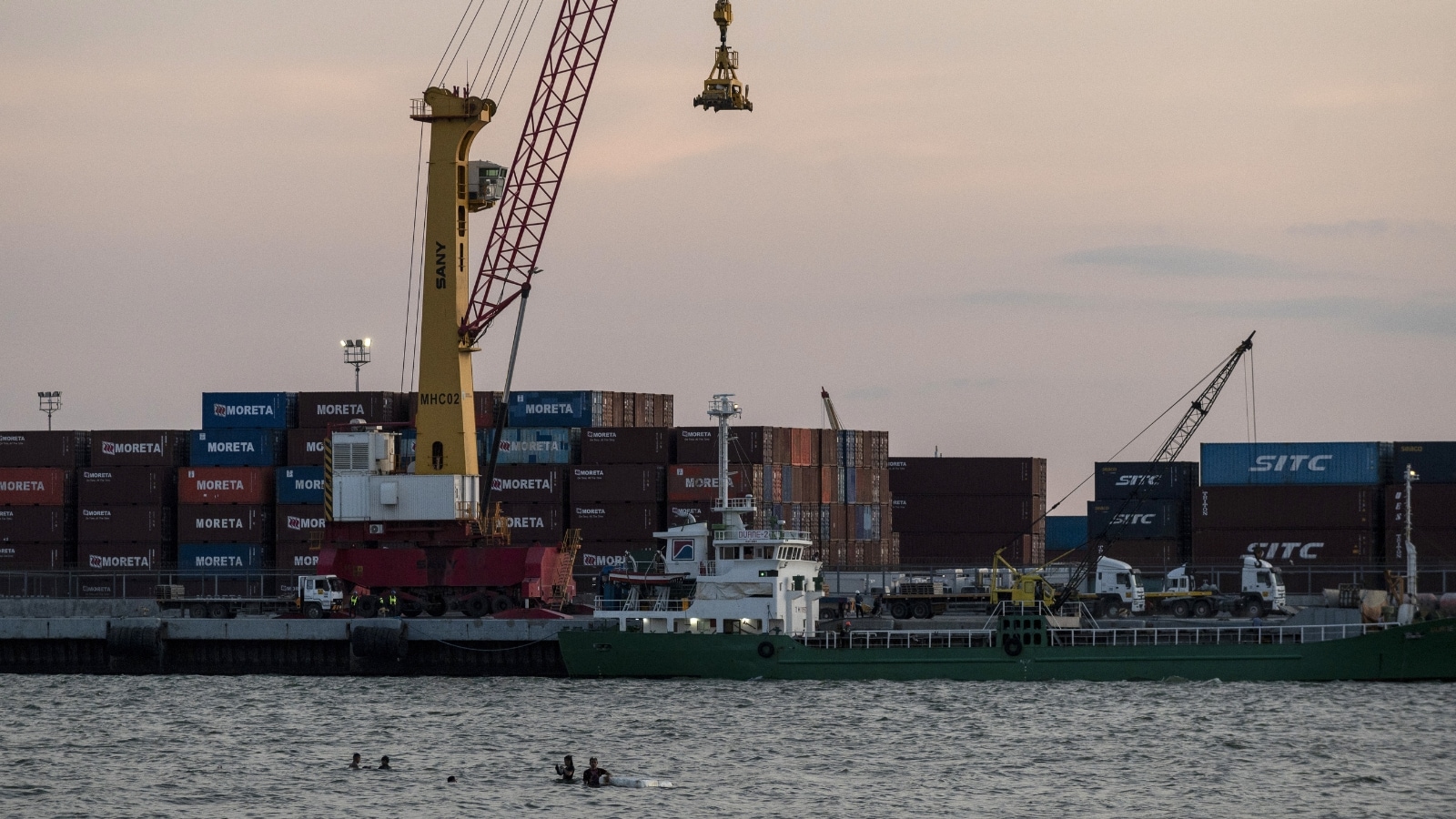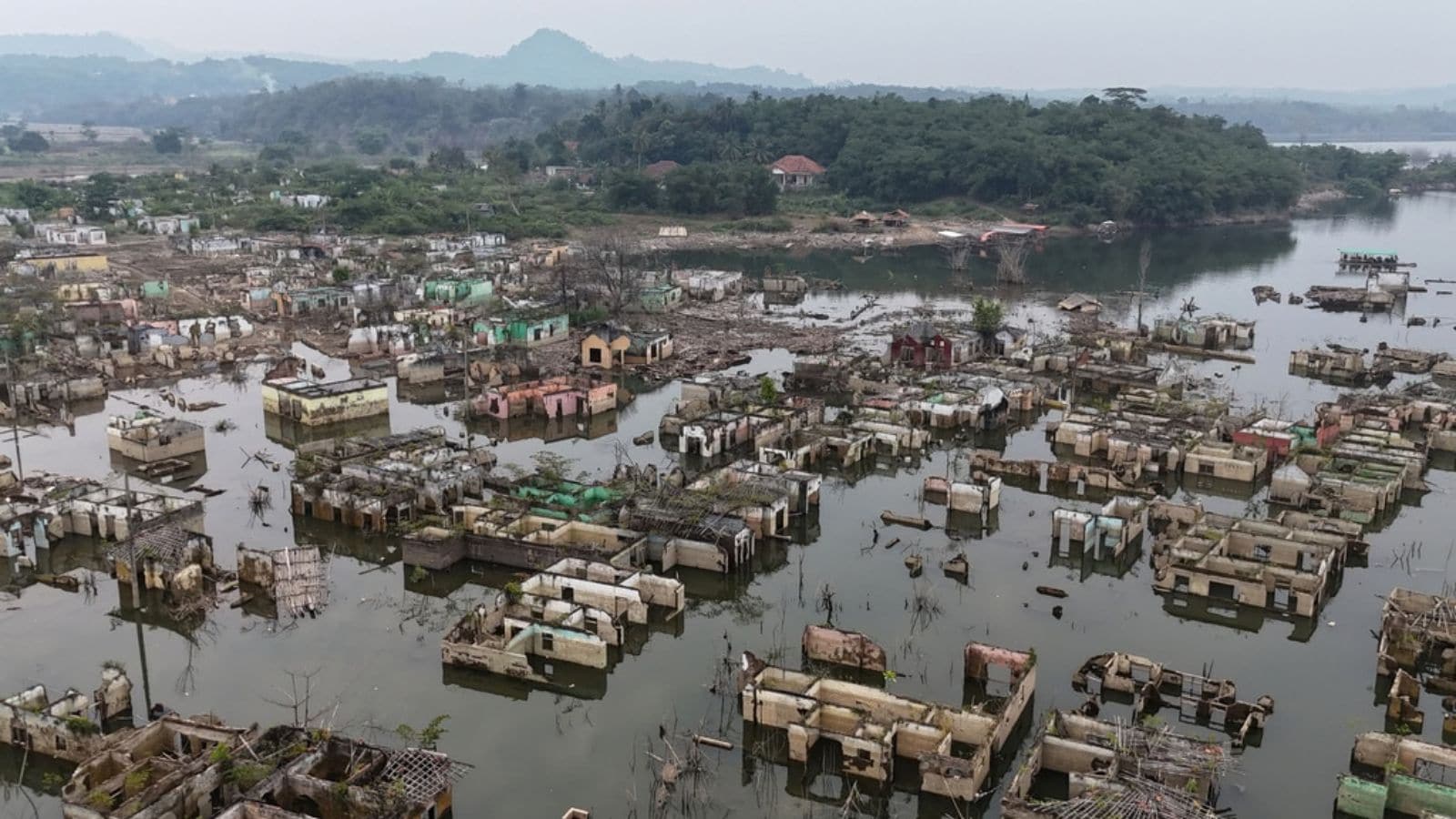
When the weather patterns shift across the Pacific, the impact rarely stays local. A severe El Nino cycle doesn't just dry out rice paddies in Southeast Asia or scorch palm oil plantations in Indonesia; it ripples directly through global shipping lanes and straight into your local supermarket checkout line. Most shoppers don't connect a weather bulletin on the nightly news with the sudden price spike in cooking oil, coffee, or packaged grains, but the supply chain works like a nervous system. When one major node spasms, the whole grid feels it.
You've probably noticed your grocery receipts creeping upward over the last few years. Weather volatility is a primary driver behind that trend, and the intensifying El Nino phenomenon acts as an amplifier. If you want to understand why food inflation persists while other sectors stabilize, you have to look at the agricultural heartlands of Asia, where shifting rains threaten the world's most critical staples.
The Pacific Shift That Controls Your Plate
Weather extremes aren't random accidents. They follow cycles, and El Nino stands out as the most disruptive heavyweight in global agriculture. When surface waters in the central and eastern Pacific warm up, normal atmospheric circulation flips upside down. Monsoons fail, dry spells stretch into months, and regions that normally flood with life-giving water turn to dust.
Asia produces a staggering share of the world's food calories. When drought hits this region, the deficit echoes globally. We saw this playbook run during past climate events, but the current intensity compounds the stress. Groundwater levels are already depleted, soil health has degraded from intensive farming, and global supply chains remain fragile.
Rice serves as the most glaring warning sign. Countries like India, Thailand, and Vietnam supply the bulk of the international rice market. When monsoons underperform, local governments panic, restrict exports to protect domestic food security, and send global prices surging. If you rely on rice as a dietary staple or buy processed foods that use rice derivatives, your budget absorbs that shock immediately.
Beyond Rice The Hidden Vulnerabilities in Global Commodities
It's easy to focus on grains, but the El Nino drought threat stretches across an entire ecosystem of agricultural exports. Consider palm oil. Indonesia and Malaysia produce nearly all of the world's supply. Palm oil hides in half of all packaged supermarket items, from margarine and chocolate to soap and shampoo. When dry weather stunts palm tree yields, manufacturing costs spike across the entire consumer goods sector.
Coffee and sugar face similar pressures. Vietnam dominates global robusta coffee production—the beans that power instant coffee and espresso blends worldwide. Prolonged dry spells in the Central Highlands choke bean development long before harvesting begins.
[Normal Weather Pattern] -> Stable Harvests -> Predictable Pricing
[El Nino Drought] -> Crop Failures -> Export Bans -> Global Price Spikes
When farmers harvest fewer bags per hectare, roasters pay more for raw inputs. Those costs pass down the line until you pay an extra dollar or two for your morning cup. It's a direct line from a parched hillside in Asia to your kitchen counter.
Export restrictions compound these environmental shocks. Governments hate domestic food riots. When harvest forecasts look grim, political leaders instinctively slap bans or heavy tariffs on outgoing shipments to keep local prices low. While that strategy makes political sense locally, it starves international markets, triggers panic buying, and forces global commodity exchanges into a tailspin.
What This Means for Your Household Budget
You can't control Pacific ocean temperatures, but you can adjust how you shop and manage your pantry. Food inflation driven by weather disruptions behaves differently than inflation caused by monetary policy. It hits essential goods directly, meaning you can't easily substitute your way around it without changing your diet.
Smart consumers are already shifting strategies. Buying staple grains in bulk before regional export restrictions hit the news cycle can buffer your household against sudden price jumps. Diversifying your pantry away from single-source commodities helps too. Paying attention to agricultural forecasts gives you a multi-month warning before commodity shocks hit retail shelves.
The global food system is far more interconnected than most people realize. A failed monsoon season halfway across the world isn't foreign news—it's a preview of your grocery bill next quarter. Keep an eye on weather reports coming out of Southeast Asia, adjust your purchasing habits early, and stop treating food security as a given.