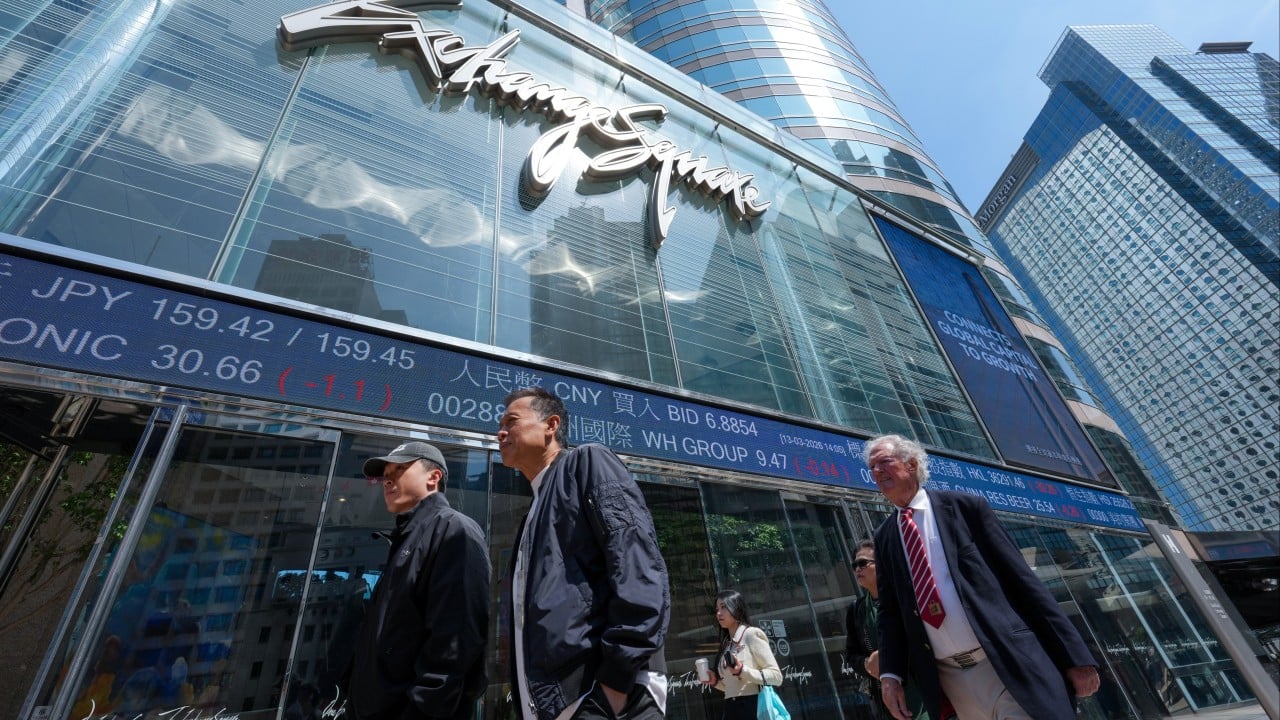
Every financial journalist in the region just wet themselves over Paul Chan dropping the latest numbers. Hong Kong pulled in three hundred and eighty-eight billion Hong Kong dollars in initial public offerings across the first nine months. The state media machine calls it a triumphant resurgence. The bankers are popping bottles in Central. They want you to believe the international capital floodgates are wide open again and the old magic is back.
They are lying to you. Or worse, they are simply too lazy to read the actual ledger.
When volume doubles in a distressed market, you are not looking at a renaissance. You are looking at a distressed asset liquidation sale disguised as a party. I have watched capital markets long enough to smell the desperation behind a headline spike. What the cheerleaders in the financial district conveniently omit is the concentration risk, the valuation haircuts, and the sheer volume of mainland state-backed liquidity propping up numbers that would otherwise look like a corporate graveyard.
Let us dissect the lazy consensus. The narrative goes like this: high gross proceeds equal strong market health. It is an elementary school way to read a balance sheet. Gross proceeds tell you nothing about liquidity velocity, secondary market depth, or investor retention six months down the line. If a handful of mega-caps absorb the entire issuance vacuum while the mid-tier remains completely frozen, you do not have a liquid exchange. You have an emergency room triage unit.
To understand why this three hundred and eighty-eight billion figure is a mirage, we need to look at who is actually writing the checks. International institutional participation has not staged a heroic comeback; it has structurally retreated. What replaced global pension funds and Western asset managers? State-linked domestic funds, anchor investors with heavy regulatory mandates, and corporate syndicates trading among themselves to keep the listing window propped open. When the buyer of last resort is also the architect of the policy, price discovery dies.
Look at the average post-IPO trading performance of this cohort. Day-one pops followed by steady, agonizing bleed-outs as retail investors get left holding the bag. The market is not allocating capital efficiently based on future cash flows or technological innovation. It is recycling liquidity within a closed loop to satisfy an optic requirement.
Stop asking if Hong Kong is back. That is the wrong question entirely. The right question is whether any independent, non-state-directed enterprise can raise growth capital without bowing to administrative pressure or accepting a brutal valuation penalty. The answer right now is a resounding no.
I have seen corporate boards spend millions preparing for an international listing, only to realize that the order book is an illusion maintained by cornerstone investors who have secret side agreements to lock up or flip at predetermined floors. It is a theater. The actors hit their marks, the exchange rings the bell, and the regulators issue press releases praising the resilience of the financial hub.
The structural shift in listings tells the real story. We are seeing fewer dynamic, fast-growing private enterprises entering the public sphere and a massive influx of secondary listings from firms already trading elsewhere, or state-owned enterprises moving capital from one pocket to another. This is financial reshuffling, not organic wealth creation.
If you are a founder looking at these numbers and thinking you can time your own public debut to catch the wave, wake up. You are walking into a liquidity desert where the mirage looks wet until you try to drink. The secondary market cannot absorb the float without aggressive intervention. Analysts who ignore this distinction are either incompetent or complicit.
The contrarian truth is simple. A doubling of primary issuance in a contracting valuation environment is a symptom of capital constipation, not health. It means companies are forced to list at whatever terms they can get because private equity exit routes are completely jammed. Venture capital and late-stage private funds are choking on dry powder, desperate for any liquidity event, even a heavily discounted public float that burns their remaining limited partners.
When you strip away the administrative spin and look at the velocity of actual non-captive capital entering these order books, the picture turns grim. The institutions that matter globally are reallocating elsewhere, leaving local brokers to celebrate a hollow victory.
Do not trade the headline. Trade the order book depth. And right now, the depth is an abyss.


