A joint precision strike by U.S. and Nigerian forces eliminated Abu-Bilal al-Minuki, the global second-in-command of ISIS, during an early morning operation in the fortified Lake Chad Basin. President Donald Trump broke the news late Friday night on Truth Social, characterizing al-Minuki as the world’s most active terrorist. Armed with overhead drone footage released by U.S. Africa Command, the White House is claiming a massive counterterrorism victory. Yet behind the triumphant headlines lies a far more volatile reality for West Africa. Killing a high-ranking bureaucrat rarely breaks a decentralized insurgency. It usually scrambles it into something worse.
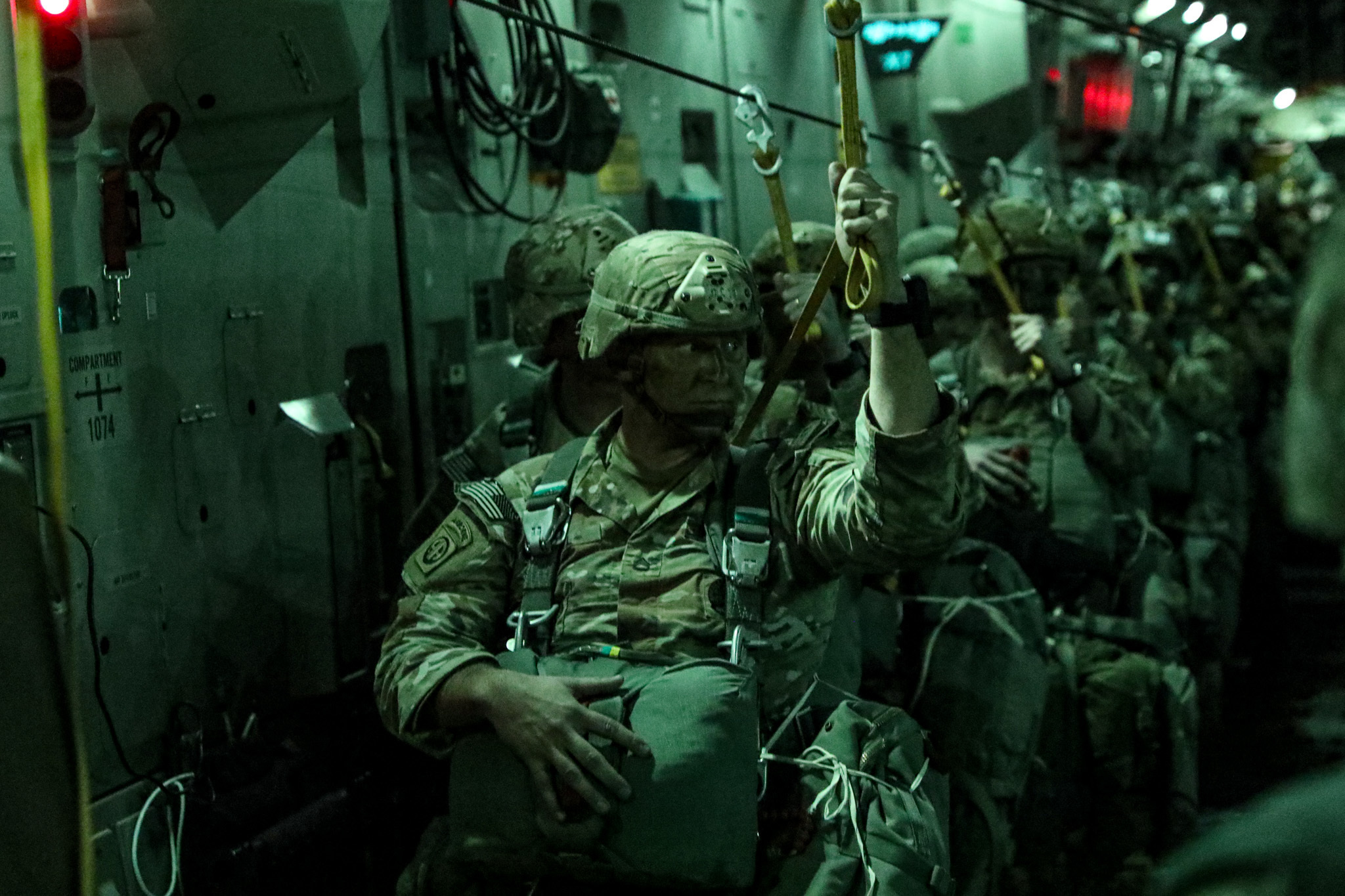
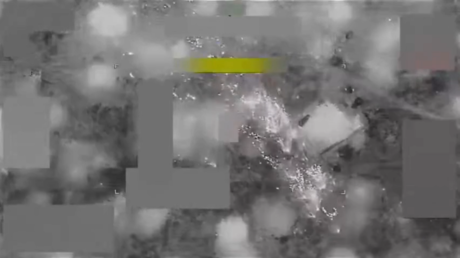
The operation itself was a textbook display of modern air-land coordination. For three hours under total darkness, a joint task force breached the heart of the Islamic State West Africa Province (ISWAP) territory. AFRICOM footage showed precision aerial gunnery and missile strikes flattening a fortified compound. No American or Nigerian personnel were harmed. For the Pentagon, it proves that the newly minted security partnership with Nigerian President Bola Ahmed Tinubu possesses real teeth.
But Washington and Abuja are projecting two entirely different narratives about why this raid happened.
The White House is framing the operation through a highly specific domestic lens. Defense Secretary Pete Hegseth explicitly tied the operation to a directive issued by the administration to protect persecuted Christians in Nigeria. To the American public, the strike is presented as a direct fulfillment of a promise to intervene against religious violence.
In Abuja, the calculation is survival. The Lake Chad Basin is a porous, lawless intersection of four nations where ISWAP has spent years operating with near impunity. For President Tinubu, accepting American intelligence and firepower is less about global religious solidarity and more about preventing a total collapse of state authority in the northeast.
The administration’s claim that al-Minuki was the global number two of ISIS is raising eyebrows among seasoned intelligence analysts. Some believe the White House is inflating the target's resume to maximize the political payoff. Born in Borno State in 1982, al-Minuki was initially a regional commander who took over West African operations in 2018. However, recent Nigerian military intelligence suggests he was indeed elevated to head the General Directorate of Provinces earlier this year. This bureaucratic body handles the operational guidance and funding pipelines for ISIS franchises across the globe.
Even if al-Minuki held the global portfolio, decapitation strategies have a notoriously poor track record in West Africa.
When the military kills a jihadist leader, the underlying socio-economic rot that fuels recruitment remains untouched. Poverty, climate degradation around a shrinking Lake Chad, and absent state governance will continue to produce foot soldiers. ISWAP functions as a highly institutionalized shadow state. It collects taxes, digs wells, and administers its own brutal form of justice. It does not collapse because one administrator dies.
In fact, past operations prove that killing a senior leader can backfire completely. When ISWAP’s former head, Mamman Nur, was assassinated in 2018, more radical, unhinged commanders filled the vacuum. The group shifted away from targeting state infrastructure toward a hyper-violent campaign against civilian populations.
Removing al-Minuki removes a sophisticated financier and planner, but it also triggers an immediate internal power struggle. Western intelligence must now brace for a wave of spectacular, localized attacks as mid-level commanders compete to prove their ideological purity and claim the empty throne. The compound in the Lake Chad Basin is reduced to rubble, but the network it managed is already mutating.