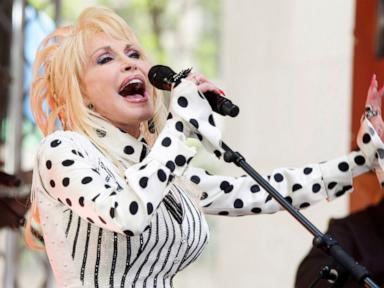
Dolly Parton spent decades building an empire on her own terms, yet she consistently side-stepped a single word when interviewers handed it to her on a silver platter. When asked directly if she considered herself a feminist, her answer was always swift and pragmatic. She told podcaster Jad Abumrad that she viewed herself simply as a woman in business. That distinction matters. Labels can feel restrictive, especially for someone who clawed her way out of rural Appalachian poverty through sheer grit. Yet millions of women heard a radically feminist heartbeat pulsing through her high-camp aesthetic, her business moves, and her biting lyricism.
You don't have to march with a sign to upend patriarchal structures. Sometimes, you just need to outsmart every single man in the room while wearing towering heels and a sparkling rhinestone jumpsuit.
The Armor of Rhinestones and Expectations
Society loves to box women into neat categories. You can be smart, or you can be decorative. Dolly took that false binary, smashed it to pieces, and weaponized hyper-femininity as camouflage. Critics often dismissed her based on her appearance alone, assuming the blonde hair and exaggerated curves meant a lack of substance. She leaned right into those assumptions.
By playing into the stereotype of the dumb blonde, she disarmed boardrooms full of male executives who underestimated her business acumen. While they were busy looking at her outfit, she was buying up her own master recordings, retaining publishing rights, and retaining absolute control over her creative output. Music writer Caryn Rose noted that Dolly knew her looks would work against her, so she figured out how to make them work for her instead. That calculated self-possession is the essence of autonomy.
Lyrics That Named the Double Standard
Long before social media gave everyday people a platform to call out systemic sexism, Dolly was writing sharp social commentary into three-minute country songs. Her 1968 track "Dumb Blonde" rejected the idea that a woman needs a man to validate her intelligence or her worth. She sang about independence with a smile, making hard truths palatable to conservative radio audiences who might have otherwise changed the station.
Consider her timeless anthem "Just Because I'm a Woman." In it, she stares down the blatant double standard surrounding sexual purity. When performing it live decades later, she loved explaining the origin of the song to crowds, noting that her husband had once asked about her past before they married. Her response on stage was vintage Dolly: if men expect women to be pure as snow, sometimes they fall short, and their partners just have to accept it. She delivered these progressive ideas with humor and warmth, ensuring fans felt included rather than lectured.
Business Moves That Built Reality
Actions speak louder than ideological declarations. Dolly’s business choices repeatedly funded and elevated marginalized communities. When Whitney Houston delivered a historic rendition of "I Will Always Love You"—a song Dolly famously refused to hand over to Elvis Presley because his manager demanded half the publishing rights—the resulting royalties were staggering.
Dolly took a portion of that windfall and invested it directly into a commercial property located in a predominantly Black neighborhood in Nashville. She didn't put the money in a safe corporate park across town. She chose a strip mall where her neighbors looked like Whitney, calling it the house that Whitney built. That is intersectional economic solidarity in practice.
Her work with "9 to 5"—both the iconic movie and the blistering theme song—directly fueled the National Association of Working Women, giving literal voice to secretaries and administrative workers fighting for fair pay and dignity. Feminist icon Gloria Steinem pointed out years ago that Dolly used her commercial platform to bring other women and working-class people right along beside her.
You can reject a label out of fear that it alienates half your audience, but if your entire existence models fierce independence, financial mastery, and loyalty to the underdog, the label finds you anyway. Dolly Parton didn't need to argue about semantics. She simply lived out a blueprint of liberation that generations will keep studying long after the rhinestones fade.