Long before she became a global cultural touchstone, Dolly Parton was just a kid growing up in a tiny, one-room cabin in the Great Smoky Mountains. Raised alongside eleven siblings in extreme poverty, her early life sounded like the lyrics of one of her own tragic folk ballads. Her father paid the doctor who delivered her with a sack of cornmeal. Yet out of that harsh Appalachian reality emerged a creative force that completely redefined what it meant to be a modern icon. She didn't just survive the cutthroat music industry; she bent it entirely to her own terms.
Most people know the massive milestones by heart. We have all belted out "Jolene," wept through "Coat of Many Colors," and watched Whitney Houston turn "I Will Always Love You" into a planetary anthem. But reducing Dolly Parton's career to a handful of chart-topping singles completely misses the point. She wrote over 3,000 songs, secured 25 number-one hits on the Billboard country charts, and built a sprawling business empire that includes her own theme park, all while weaponizing self-deprecating humor to disarm every corporate executive who ever underestimated her.
The Nashville Grinds and the Porter Wagoner Era
When Dolly graduated high school in 1964, she packed a cardboard suitcase, caught a bus straight to Nashville, and refused to look back. The early days weren't glamorous. Music row executives kept trying to push her into bubblegum pop, telling her that her high soprano voice was too sharp, too country, too polarizing. They wanted a traditional Nashville doll to stand quietly and sing what she was told.
Instead, she fought for her own sound until country gatekeepers finally relented. Her big break came when she joined forces with Porter Wagoner on his popular television show. For years, she was billed as the girl singer alongside Wagoner, a dynamic that frustrated her ambitious spirit. Breaking away to launch a solo career wasn't easy, and Wagoner wasn't thrilled about it. To say goodbye and thank you, she sat down and wrote "I Will Always Love You" in a single afternoon. When Elvis Presley wanted to record the track later on, she famously turned him down because his manager demanded half of her publishing rights. That business gamble paid off a million times over.
Crafting the Persona on Purpose
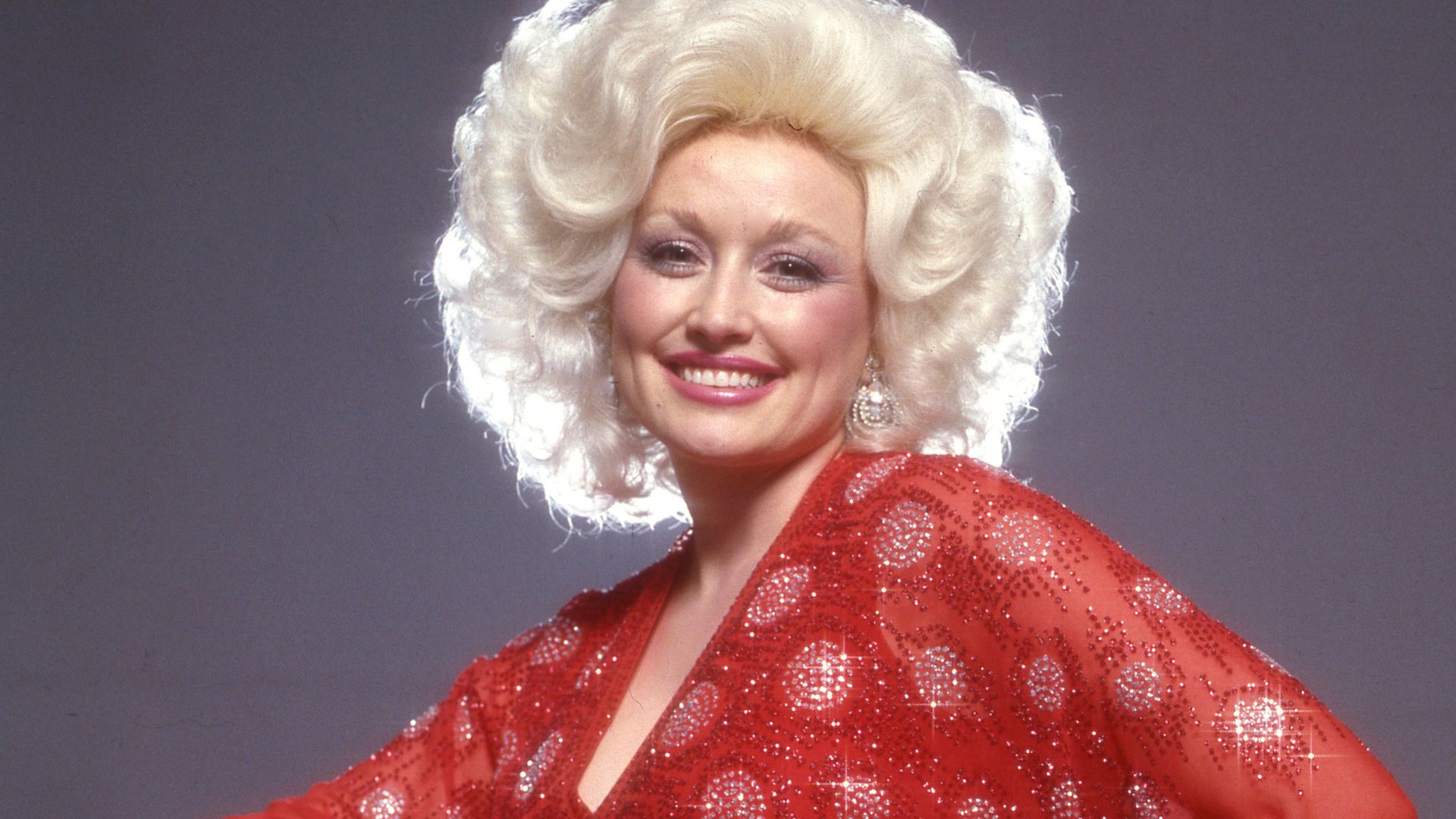
Let us address the rhinestones and the towering wigs. Critics often misread her hyper-feminine, cartoonish appearance as a lack of substance. That was always the trap, and Dolly set it herself. She famously joked that it costs a lot of money to look this cheap.
By leaning heavily into self-parody, she weaponized her image. She owned the caricature before anyone else could use it against her. Behind the makeup and the larger-than-life exterior sat a razor-sharp businesswoman who owned her masters, controlled her publishing catalog, and negotiated fierce contracts. While male artists signed away their rights for a quick buck, she kept her copyrights. That financial independence allowed her to take creative risks that would have broken other artists.
Building an Empire Beyond the Studio
Music was only her first medium. In 1980, she made her film debut alongside Jane Fonda and Lily Tomlin in the workplace comedy 9 to 5, writing the iconic title track on set by clicking her acrylic nails together like a typewriter rhythm. She followed it up with standout roles in Steel Magnolias and The Best Little Whorehouse in Texas, proving she could hold her own on the big screen just as easily as the stage.
Then came Dollywood. Transforming a tired tourist attraction in her home region of East Tennessee into a massive multi-million-dollar theme park injected vital economic life into an impoverished area. She didn't just slap her name on a gate; she stayed deeply involved in the operations, providing thousands of local jobs and turning her home region into a thriving tourist destination.
Philanthropy Without the Spotlight
What truly separates a celebrity from an icon is what they do when the cameras stop rolling. Dolly's philanthropic efforts were legendary, driven largely by personal roots. Watching her own father struggle with illiteracy inspired her to launch the Imagination Library in 1995, mailing free books to children every single month from birth until they start school. What started as a local initiative in Sevier County grew into a global movement sending out hundreds of millions of books.
When the world faced the COVID-19 pandemic, she quietly dropped a million dollars into research at Vanderbilt University, funding the early science that helped back the Moderna vaccine. She never made a massive political spectacle out of her giving; she just wrote the check because people needed help.
Her career stands as a masterclass in staying power. She bridged the gaps between country and pop, tradition and progress, working-class grit and billionaire-level business acumen. She wrote the soundtrack to millions of lives while remaining entirely unapologetic about who she was. Take a page out of her playbook: master your craft, protect your business, never apologize for your style, and keep your roots close to home.