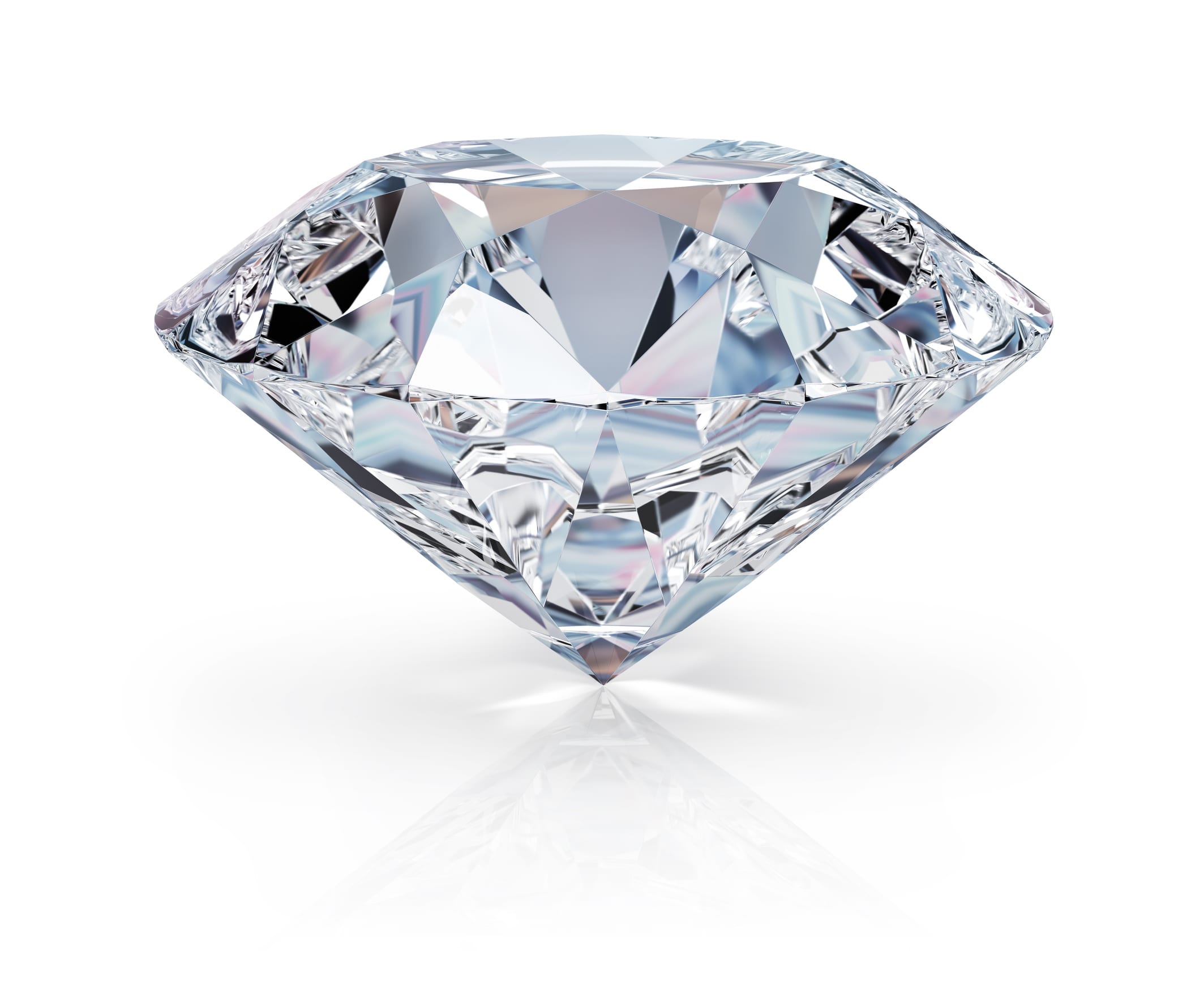
Natural diamond prices have crashed to historic lows, and the luxury establishment is pretending it is just a routine market correction. It is not.
For over a century, the diamond trade operated on a brilliantly engineered illusion. Scarcity was manufactured, supply was tightly choked by a handful of dominant cartels, and an entire generation was conditioned to believe that carbon compressed deep in the earth carried emotional currency worth thousands of dollars per carat. That illusion has fractured. A combination of unchecked supply gluts from traditional mining conglomerates and an exponential surge in high-quality, lab-grown alternatives has dismantled the pricing power that once protected the industry. Consumers stopped buying the marketing, and the market responded with a brutal descent. If you found value in this post, you should look at: this related article.
The structural rot goes deeper than simple supply and demand imbalances. To understand why natural diamond values are plummeting, we have to look past the retail storefronts and examine the machinery of industrial production, the shifting psychology of younger buyers, and the quiet panic inside wholesale trading hubs.
The Manufacturing Engine That Broke the Market
For decades, the pipeline from rough stone to retail finger was strictly managed. Supply was released in controlled drips to maintain price floors. If rough diamonds flooded the market, prices dropped, so mining giants simply withheld inventory, stored stones in vaults, and waited out economic downturns. For another angle on this development, check out the recent coverage from Forbes.
That control mechanism broke.
Major producers miscalculated global inventory shifts and over-extracted rough material during post-pandemic retail spikes. When demand cooled, they refused to cut production aggressively enough to protect long-term values, fearing a loss of immediate cash flow. The resulting inventory backup created a domino effect. Wholesalers found themselves sitting on millions of dollars of overpriced rough and cut stones that retail jewelers simply refused to buy at legacy prices.
Simultaneously, industrial technology changed the rules of physics. A lab-grown diamond is chemically, physically, and optically identical to a mined diamond. The only difference is the origin story. A decade ago, creating gem-quality lab-grown stones required massive capital and yielded low-purity results with distinct yellowish tints. Today, High-Pressure High-Temperature and Chemical Vapor Deposition methods run with ruthless efficiency. Machines churning out flawless, multi-carat stones operate continuously in automated facilities from Asia to the United States.
The marginal cost of production for a lab-grown diamond plummeted. As production capacity scaled exponentially, retail prices for artificial stones dropped by over seventy percent in a few short years. When a consumer can purchase a visually indistinguishable two-carat stone for a fraction of the cost of a mined equivalent, the psychological anchor of natural diamond pricing shatters entirely.
The Demographic Rebellion and Resale Reality
The luxury market relies heavily on aspirational consumption. Younger buyers—specifically Millennials and Generation Z—do not view luxury through the same lens as their parents. Ethical concerns regarding mining labor practices and environmental degradation eroded the traditional appeal of mined stones.
Even more damaging to the legacy trade is the total lack of liquidity in diamond resale. For generations, jewelers whispered the comforting myth that diamonds were investments. Anyone who has ever tried to sell a diamond back to a retail store knows the harsh truth. The moment a natural diamond leaves the store, its value drops by half or more. It is not an investment asset; it is a depreciating luxury good.
Lab-grown alternatives accelerated this realization. Because synthetic stones have virtually zero resale value due to falling production costs, consumers stopped viewing diamonds as stores of wealth altogether. They began treating them as fashion accessories. If a stone is merely decorative, spending ten thousand dollars on a mined version instead of five hundred dollars on a lab-grown alternative becomes an irrational financial choice.
Traditional jewelers attempted to fight back by stigmatizing lab-grown stones, labeling them as artificial or lacking soul. The marketing campaign failed. Buyers prioritized capital efficiency over sentimental marketing narratives written in the mid-twentieth century.
The Wholesale Panic in Antwerp and Mumbai
Behind the polished glass of high-end jewelry boutiques lies the beating heart of the trade: the diamond cutting and trading centers in Antwerp, Mumbai, and Surat. Here, the crisis is existential.
Sightholders—the elite buyers who purchase rough diamonds directly from mining giants under strict allocation contracts—are trapped. They are contractually obligated to buy predetermined quantities of rough stones at high prices, yet retail demand for polished natural stones continues to soften. Many are forced to sell polished inventory below cost just to maintain liquidity and service debt.
Credit institutions that historically funded the diamond trade with billions of dollars in low-interest loans have tightened their lending criteria. Banks are fleeing the sector, recognizing that legacy collateral valuations are inflated. Without cheap credit to buffer inventory holding costs, weaker mid-stream players are liquidating assets, driving spot prices down even further.
The market is undergoing a painful bifurcation. Ultra-high-net-worth buyers looking for rare, colored, or massive natural stones above five carats remain insulated, as those exceptional assets behave more like fine art or real estate. But the bread-and-butter commercial grades—the one-to-two-carat colorless stones that built the modern engagement ring industry—have been commoditized.
When a luxury product becomes a commodity, margins evaporate. The cartel model relied on the public's ignorance of supply realities. That ignorance has been replaced by radical transparency, price comparison engines, and ubiquitous laboratory competition.
The legacy diamond trade is not waiting for a miraculous recovery. It is shrinking, consolidating, and desperately trying to rebrand mined stones as rare heritage items while quietly acquiring or investing in lab-grown production lines to hedge their bets. But the fundamental contract between the consumer and the earth-mined stone has been permanently altered. The era of artificially inflated diamond valuations is coming to a close, leaving a cold, hard market reality in its wake.