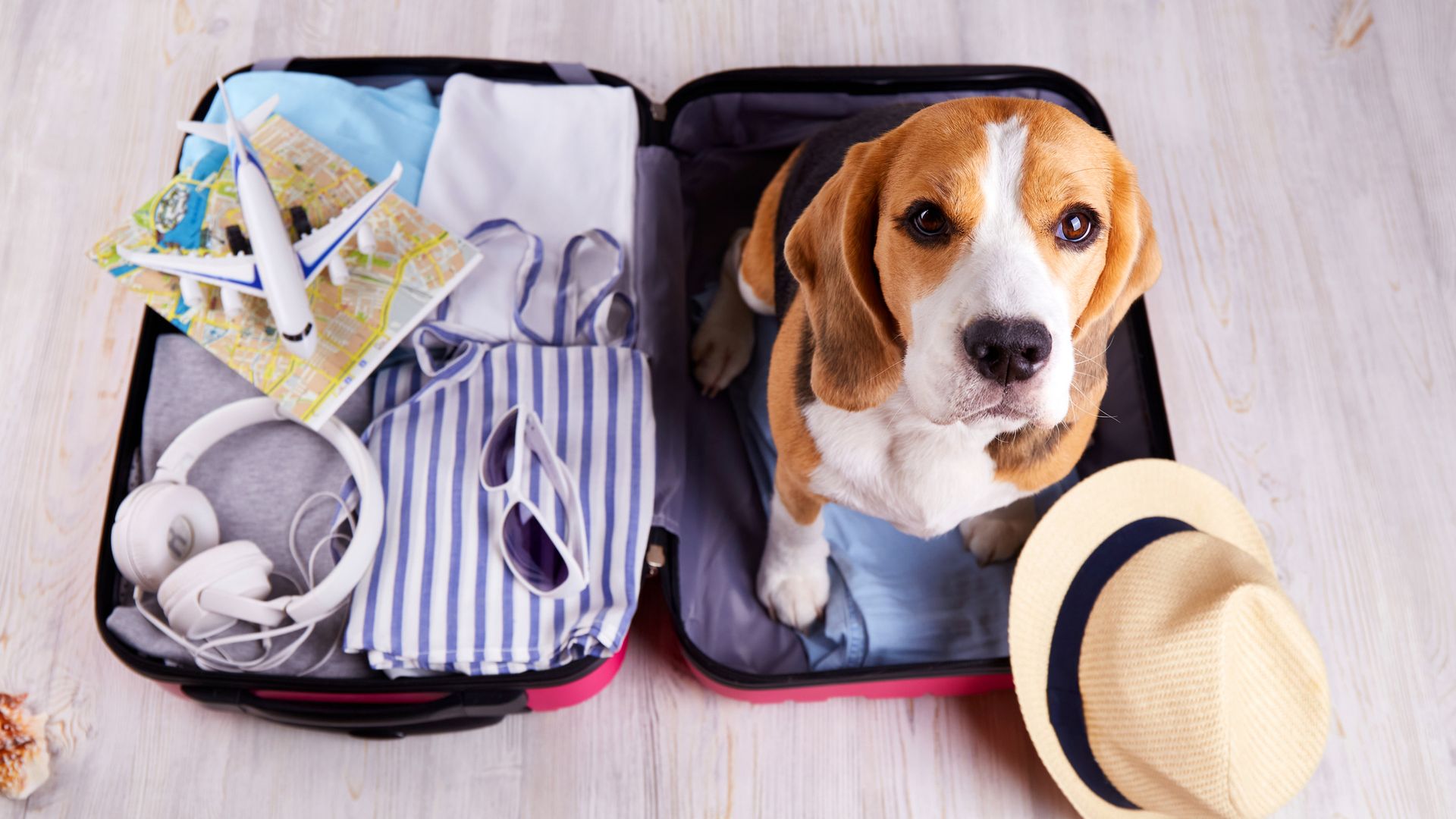
The era of the casual cross-channel hop with a dog in the passenger seat just hit a bureaucratic wall. As of April 22, 2026, the European Union has effectively killed the utility of the EU pet passport for British residents, replacing a semi-seamless system with a rigorous, high-stakes documentation cycle. This isn't just a minor update to a website footer; it is a fundamental shift in how the bloc views its borders and the animals crossing them.
If you live in England, Scotland, or Wales, that blue passport you’ve been nursing—even one issued by a vet in France or Spain—is now largely a relic. Under the new enforcement of Regulation (EU) 2016/429, also known as the Animal Health Law, the EU is demanding proof of residency that most vacationers simply cannot provide. If your primary home isn't within the Union, your pet is no longer an "EU animal" in the eyes of Brussels. You are now entering as a third-country national, and the requirements are as cold as they are precise.
The End of the Residency Loophole
For years, savvy UK pet owners maintained a "dual-identity" for their pets. They would visit a vet in the EU, obtain a local pet passport, and bypass the expensive Animal Health Certificate (AHC) required for British travelers. That door has been slammed shut. EU vets are now strictly prohibited from issuing or updating passports for owners who cannot prove their primary residence is within the EU.
Border officials are no longer just scanning chips; they are scrutinizing the link between the owner’s address and the document’s origin. If you show up at the Eurotunnel or a ferry port in Caen with a French pet passport and a UK driver's license, expect to be turned around. The EU’s new stance is clear: documentation must reflect the reality of the owner's life, not the convenience of their travel habits.
The AHC Treadmill
Without a valid passport, every single trip to the Continent now requires a fresh Animal Health Certificate. This isn't a simple form you download and sign. It is a dual-language, multi-page document that must be issued by an Official Veterinarian (OV) within 10 days of your departure date.
The logistical burden is significant.
- An AHC is valid for only one entry into the EU.
- It allows for four months of onward travel within the bloc.
- It permits re-entry into the UK, provided the rabies vaccination remains valid.
The cost is another factor. Most veterinary practices are charging between £150 and £250 per certificate, per trip. For a family that heads to a holiday home in Spain three times a year, the "pet tax" has effectively tripled. This isn't just about the money; it’s about the narrow window of execution. One delay in a vet appointment or a typo on the microchip number can scuttle a thousand-pound holiday in seconds.
Digital Dragnets and Biometric Borders
The timing of these pet-specific restrictions is not accidental. It coincides with the broader rollout of the Entry/Exit System (EES) and the upcoming ETIAS authorization. The EU is digitizing its entire border infrastructure. While the EES tracks human biometrics, the backend databases are becoming increasingly interconnected.
When you scan your passport at an automated kiosk in 2026, you are triggering a profile that border agents can cross-reference. If your EES data shows you spent 170 days in the UK last year, but you’re presenting an EU pet passport, the inconsistency is a red flag. We are moving toward a "Smart Border" where the anecdotal excuses of the past—"I forgot the paperwork at my French house"—will be met with a digital "Access Denied."
The Sequencing Trap
The most common reason for pets being seized or turned back at the border remains sequencing errors. The logic of the law is inflexible: the microchip must be implanted or verified before the rabies vaccine is administered.
Hypothetical Example: Consider a pet owner who realizes their dog's rabies booster is due. They rush to the vet, get the jab, and then have the vet scan the chip to "record it" on the paperwork. Under the new 2026 enforcement, this is an invalid vaccination. Because the chip wasn't verified immediately prior to the injection, the vaccine is legally "unlinked" to that specific animal.
The EU is now demanding that the date of microchipping—or at least a recorded verification of the chip—precedes the vaccination date on all official documents. If the dates are the same, the time of day isn't recorded, but the order of entry on the AHC must be perfect.
The Five Pet Limit
The EU has also tightened the definition of "non-commercial" travel. You are now limited to five pets per vehicle, not five per person. This is a direct hit to hobbyist breeders and multi-pet families. If you intend to bring more than five animals, you are suddenly thrust into the world of commercial transit, requiring an Export Health Certificate and significantly more complex health screenings.
Exceptions exist for competitions or sporting events, but they require written proof of registration and the animals must be over six months old. The days of "moving the whole kennel" for a summer in the Alps without a mountain of commercial paperwork are over.
Hard Truths for the Summer Season
As we move into the peak travel months of 2026, the pressure on veterinary surgeries will become a bottleneck. The AHC takes roughly an hour of an Official Veterinarian's time to complete. With a shortage of OVs in the UK, many practices are already moving to a "registered clients only" policy for travel documents.
If you are planning a trip, the "why" of these rules doesn't matter as much as the "how" of surviving them. The EU is prioritizing the integrity of its biosecurity zone over the convenience of British tourists. The blue passport was a symbol of a frictionless Europe; the AHC is the symbol of a third-country reality.
Check your pet's vaccination dates today. If that rabies shot was given even one day before a chip was recorded, revaccinate now. The border officials in 2026 aren't looking for a reason to let you in; they are looking for a reason to keep the "third-country" risks out.