The Filipino jeepney, once a vibrant symbol of post-war ingenuity, is currently being crushed between the anvil of soaring global oil prices and the hammer of a government-mandated modernization program. For decades, these diesel-gulping icons provided the cheapest transit in Southeast Asia, but the math no longer works. Drivers who once took home a modest profit are now finishing 14-hour shifts with barely enough to buy a kilo of rice. The crisis is not just about the price at the pump; it is a systemic failure of a transport model that has been left to rot for half a century.
While mainstream reports focus on the immediate pain of rising diesel costs, they often miss the structural trap. Jeepney drivers are small-scale entrepreneurs operating on the thinnest of margins. When crude oil prices fluctuate in the Middle East, the shockwaves travel instantly to the streets of Manila, Cebu, and Davao. Because the fare is regulated by the government, drivers cannot simply raise prices to cover their overhead. They are frozen in a fiscal ice age while their expenses melt away their savings.
The Diesel Trap and the Illusion of Subsidy
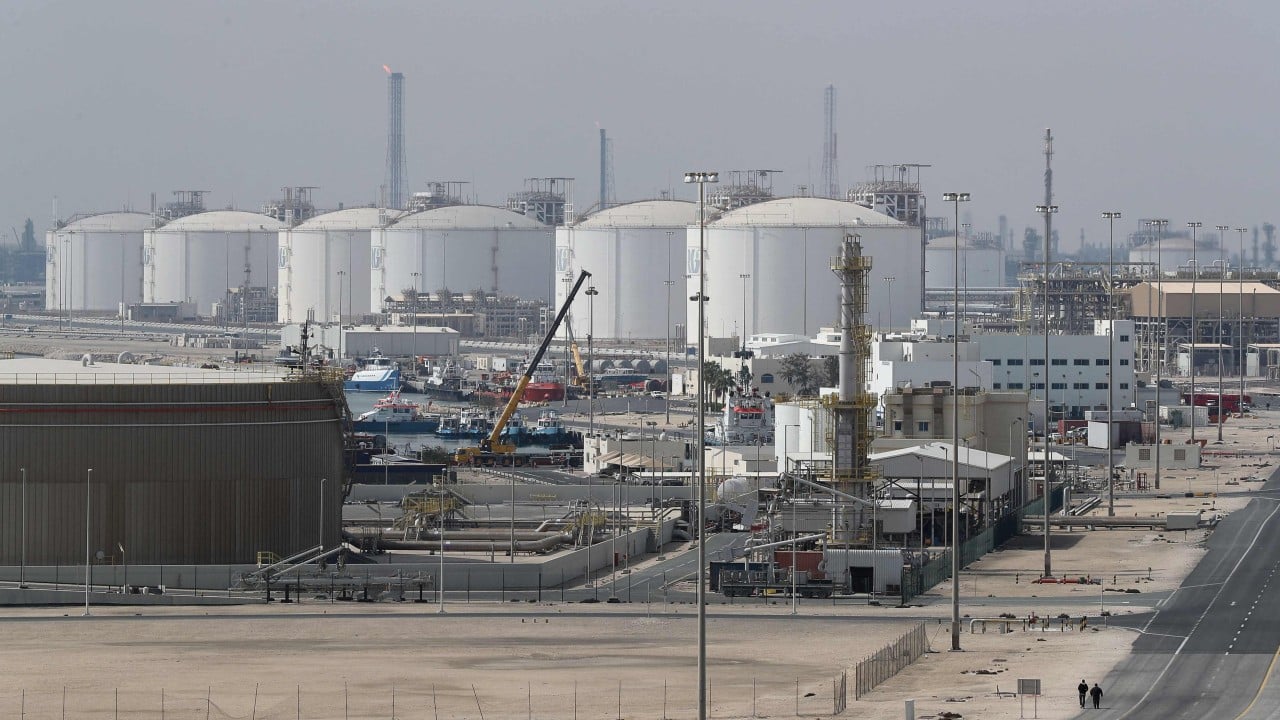
The primary fuel for the vast majority of the 200,000 jeepneys across the archipelago is Euro 2 or Euro 4 diesel. This dependence is a historical legacy. After World War II, surplus American Willys Jeeps were lengthened and repurposed. They were rugged, easy to repair, and ran on cheap, dirty fuel. That era is over. Today, the Philippines imports nearly all its fuel, making the entire transport sector a hostage to the volatility of the Brent crude market.
When diesel prices climb, the driver’s "take-home" pay is the first thing to vanish. In the traditional "boundary" system, a driver rents the vehicle from an owner for a fixed daily fee—usually between 500 to 900 pesos. The driver then pays for all the fuel out of the remaining fares. On a bad day, after 16 hours of navigating gridlock and inhaling fumes, a driver might net 200 pesos (roughly $3.50). This is not a living wage; it is a slow-motion bankruptcy.
The government periodically offers "Pantawid Pasada" cards—fuel subsidies meant to cushion the blow. However, these are often criticized as a band-aid on a gunshot wound. The distribution is frequently delayed by bureaucracy, and the amount—often a few thousand pesos for several months—is swallowed by the pump in less than a week of full-time driving. It serves as a political sedative rather than a functional economic solution.
The Modernization Mandate is an Unfunded Mandate
The Department of Transportation’s Public Utility Vehicle Modernization Program (PUVMP) aims to replace the old, smoky jeepneys with "modern" units that are safer and more environmentally friendly. On paper, it makes sense. The old engines are massive polluters. But the execution ignores the fundamental reality of the Filipino working class.
A traditional jeepney costs between 200,000 and 600,000 pesos to build or refurbish. A new, compliant "modern" jeepney—essentially a mini-bus—costs upwards of 2.5 million pesos. The government offers a subsidy of roughly 160,000 pesos per unit. This leaves a massive debt gap that individual drivers and small-time operators cannot bridge. To qualify for loans, drivers must consolidate into cooperatives.
This forced consolidation is the hidden flashpoint of the current crisis. Many drivers see it as the "corporatization" of their livelihood. They fear that large fleets owned by wealthy conglomerates will eventually squeeze out the independent operator entirely. The transition is not just about changing engines; it is about changing who owns the streets.
Why Fare Hikes Are Not the Answer
The instinctive reaction to rising fuel costs is to demand a fare hike. Currently, the base fare for the first four kilometers is a point of constant negotiation between the Land Transportation Franchising and Regulatory Board (LTFRB) and transport groups. But a fare hike is a double-edged sword in a country where the minimum wage is stagnant.
If the fare increases too sharply, the working-class passengers—factory workers, students, and clerks—simply cannot afford to go to work. The jeepney is the backbone of the economy because it is affordable. If it loses that advantage, the entire informal economy of the Philippines stutters. This creates a ceiling on how much a driver can ever hope to earn. They are stuck in a cycle where they cannot charge more, yet they cannot pay less for the fuel that keeps them moving.
The Mechanics of Inefficiency
The traditional jeepney is an aerodynamic nightmare. It is heavy, made of thick galvanized iron or stainless steel, and powered by aging Japanese engines salvaged from trucks.
$Fuel\ Efficiency \propto \frac{Engine\ Condition}{Vehicle\ Weight + Drag}$
In the congested streets of Metro Manila, where stop-and-go traffic is the norm, these vehicles operate at their lowest possible efficiency. A modern diesel engine might get 10 to 12 kilometers per liter in these conditions, but many older jeepneys struggle to hit 5 or 6. This means for every kilometer traveled, half the fuel is essentially wasted in heat and vibration. The "King of the Road" is an energy sinkhole.
The Invisible Cost of Health
Beyond the financial struggle is the physical toll. Jeepney drivers spend their lives in an "open-air" cockpit, exposed to high levels of particulate matter and carbon monoxide. Studies have shown that transport workers in Manila have significantly higher rates of chronic obstructive pulmonary disease (COPD) and cardiovascular issues compared to the general population.
When oil prices rise, drivers stay on the road longer to make up the difference. This leads to fatigue-related accidents and long-term health decline. A driver who cannot afford diesel certainly cannot afford healthcare. The "savings" the public gets from low fares are essentially subsidized by the shortened lifespans of the men behind the wheel.
A Broken Infrastructure
The crisis is exacerbated by the lack of dedicated lanes for public transport. Because jeepneys must compete with private cars for every inch of pavement, they spend more time idling. Every minute stuck in traffic is fuel burned with zero revenue generated. The Philippine government has spent billions on flyovers and highways that prioritize private car ownership, while the mass transit system remains an afterthought.
If the government were serious about helping drivers survive high oil prices, the focus would be on "priority signaling" and "dedicated BRT (Bus Rapid Transit) lanes" for jeepneys. By increasing the number of "trips" a driver can complete in a day, they could increase their revenue without needing a fare hike. Instead, the policy has been to push the burden of modernization onto the shoulders of the poorest stakeholders.
The Looming Consolidation
We are witnessing the end of an era. The independent jeepney driver is an endangered species. As the December deadlines for consolidation pass and the pressure of 80-dollar-a-barrel oil persists, the small-scale operator is being forced to sell their "franchise" to larger entities.
This shift will likely lead to a more professionalized transport system, with fixed schedules and salary-based pay for drivers. In theory, this is progress. In practice, it destroys the autonomy of thousands of families who have relied on the "boundary" system for generations. The transition is messy, painful, and lacks a social safety net.
The true cost of a jeepney ride has never been the coins dropped in the driver’s palm. It has always been the hidden subsidies of cheap labor and environmental degradation. Now that the global oil market has called the bluff, the Philippines is finding out just how expensive "cheap" transit really is. The vibrant colors and chrome ornaments are being stripped away by the cold reality of a balance sheet that no longer balances.
The solution requires more than just modernizing the fleet. It requires a complete reimagining of urban space, a move away from diesel-dependency, and a genuine investment in the people who move the nation. Without these, the "King of the Road" will remain a monarch in name only, presiding over a kingdom of debt and exhaust.
Ask yourself if you want to see how the proposed electric jeepney models compare in terms of operational cost and charging infrastructure needs.