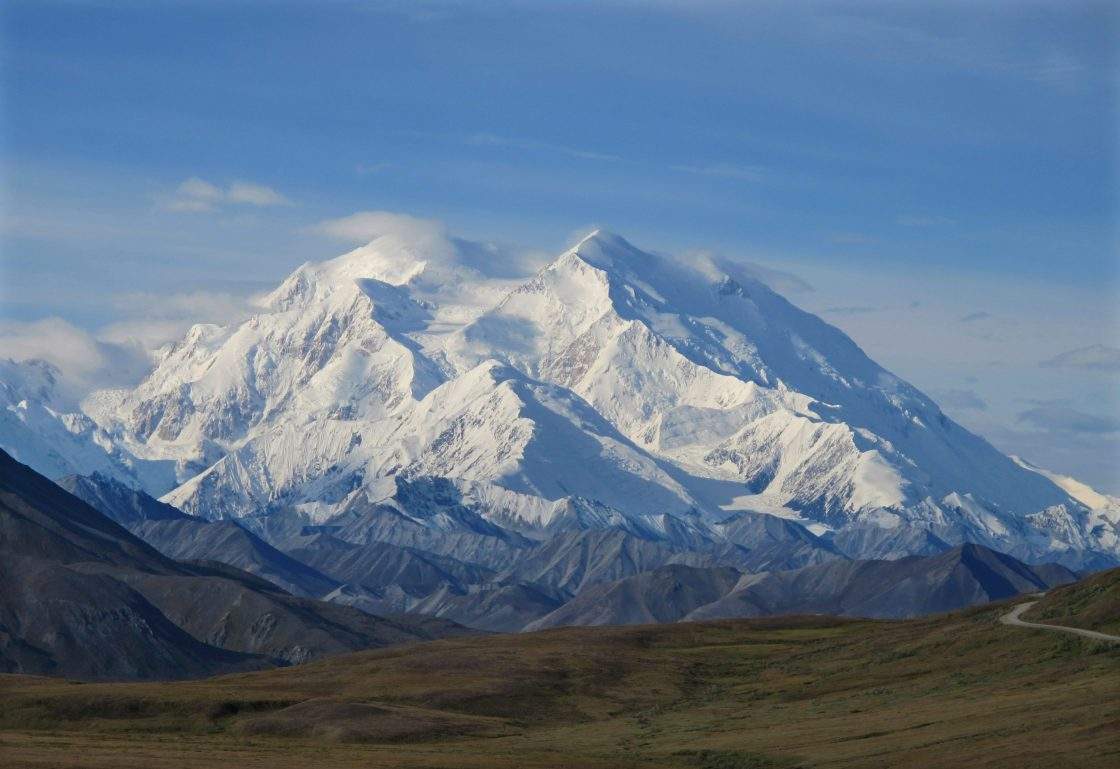
High-altitude mountaineering is not a controlled sport, yet every time a crisis occurs at 18,000 feet on Denali—formerly known as Mount McKinley—the public and media react with a predictable mix of shock and blame. The standard narrative immediately frames these events as systemic failures, calling for tighter regulations, more stringent permitting, or advanced tracking technology. This reaction misses the point entirely.
The harsh reality of extreme mountaineering is that danger cannot be regulated out of existence. When four climbers fall in the Autobahn couloir or high on the Harper Glacier, it is not necessarily a sign that the system broke down. It is a stark reminder that the mountain operates on its own terms. Trying to turn North America’s highest peak into a curated theme park with a guaranteed safety net is a dangerous illusion. For an alternative look, see: this related article.
The Illusion of the Safety Net
Mainstream reporting on mountain rescues tends to focus on what the National Park Service (NPS) or rescue coordination centers are doing to locate missing climbers. This coverage creates a false sense of security, implying that a rescue team is always just a satellite call away.
It does not work that way at 18,000 feet. Similar reporting on this trend has been published by Travel + Leisure.
At that altitude, weather dictates reality. If a storm pins down a team, it pins down the high-altitude heli pilots too. The extreme cold, thin air, and unpredictable winds mean that for days at a time, a distressed climber is completely on their own. Relying on an emergency beacon as a primary safety strategy is a fatal mistake. A Personal Locator Beacon (PLB) or satellite messenger does not stop a fall, prevent frostbite, or cure high-altitude pulmonary edema. It merely broadcasts the location of a crisis.
The mountaineering community has grown overly reliant on technology, substituting digital connectivity for self-sufficiency. True safety on a mountain like Denali does not come from a gadget; it comes from the sober acceptance that help may never arrive.
The Flawed Premise of Tougher Regulations
Whenever an accident hits the headlines, critics immediately ask: Why were they allowed up there in those conditions? This question rests on a flawed premise. The NPS heavily regulates Denali compared to other global peaks. Climbers must register 60 days in advance, pay substantial fees, and attend mandatory safety briefings at the Talkeetna Ranger Station. Rangers check gear, review resumes, and instill a culture of Leave No Trace and self-rescue.
But a ranger cannot climb the mountain for you. They cannot check the integrity of every snow anchor or monitor the mental fatigue of a climber step by step at 2:00 AM on the summit ridge.
Short of banning climbing altogether, no amount of bureaucratic oversight can eliminate the inherent risk of a steep, icy slope. Pushing for more rules usually results in administrative bloat rather than safer outcomes. It creates a checkbox mentality where climbers feel that because they checked every regulatory box, they are somehow entitled to a safe summit. The mountain does not care about paperwork.
The Mechanics of a High-Altitude Fall
To understand why rescues are so complex, you have to understand the physical reality of the upper mountain. Denali rises abruptly from a low base, meaning its weather is notoriously brutal, and the physiological toll is severe.
When a fall occurs at 18,000 feet, the margin for error evaporates. Consider the math of a roped team on a steep pitch:
$$F = m \cdot a$$
If one climber slips on hard blue ice, the kinetic energy generated puts immense force on the remaining team members. If the snow anchors are not perfectly set, or if the team is moving together without fixed protection—a common practice to save time—the entire team goes down.
At that elevation, the human body is already operating at a massive deficit. Oxygen levels are roughly half of what they are at sea level. Decision-making is sluggish. Reaction times are delayed. A simple misstep that would be easily corrected at a lower elevation becomes a catastrophic event.
The High Cost of Search and Rescue
There is a quiet, uncomfortable truth that the industry rarely discusses openly: the immense risk placed on rescue personnel. Every time a helicopter lifts off from Talkeetna to fly into a high-altitude bowl, lives are put on the line for choices made by private individuals.
The NPS uses highly skilled mountaineering rangers and specialized pilots who operate at the absolute limit of aviation physics. High-altitude flight leaves no room for error. The air density is low, reducing rotor lift and engine performance. A sudden gust can slam a helicopter into a granite wall.
While these crews are dedicated professionals, the climbing community must face a hard ethical question. Is it fair to ask rescue teams to risk their lives in active storms to retrieve climbers who pushed past their turnaround times? The answer should be an emphatic no. The unwritten code of the mountains has always been self-reliance. If you cannot get yourself down, you should not be up there.
Redefining Preparation
If regulations and technology cannot save lives, what can? A complete shift in mindset.
- Ditch the Summit-at-All-Costs Mentality: The most critical gear you possess is your judgment. Turning around 100 feet from the summit because a storm is rolling in is a victory, not a failure.
- Train for Self-Rescue: Do not rely on outside help. If your partner falls into a crevasse or suffers an injury, you must have the technical skills, strength, and composure to manage the situation entirely on your own.
- Embrace the Risk Honorably: Accept that when you step onto the glacier, you are entering a zone where total safety is an impossibility. If that reality terrifies you, stay below the snowline.
Stop looking to blame the authorities, the gear, or the weather forecasts when things go wrong on Denali. The mountain is exactly what it has always been: a beautiful, indifferent heap of rock and ice that offers no guarantees. Pack your gear, check your knots, and understand that your survival rests entirely in your own hands. Step onto the ice with that understanding, or do not step onto it at all.