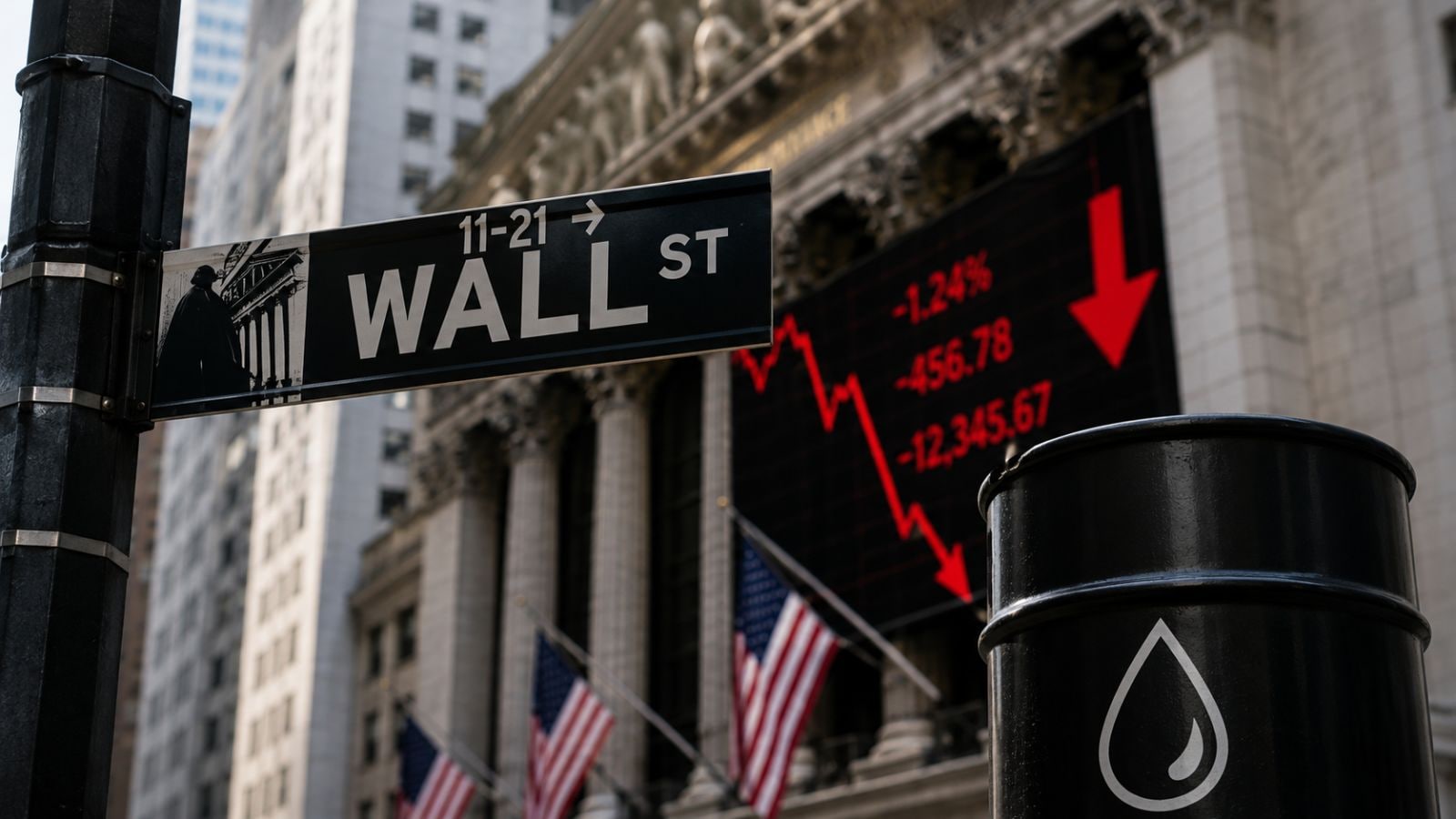
David Ellison wants you to believe the massive legal war over his media empire is just a misunderstanding.
When a coalition of twelve state attorneys general and the Writers Guild of America filed lawsuits to freeze Paramount’s massive merger with Warner Bros. Discovery, the chief executive stayed quiet. That silence broke with a guest essay claiming critics are missing the mark on his political identity. According to Ellison, the opposition isn't about anticompetitive market control. He insists people are simply terrified that he will take control of CNN.
He misses the point entirely.
The Real Fight Behind the Merger
If you look at court filings, the official argument from state regulators focuses on traditional antitrust worries. California Attorney General Rob Bonta and his counterparts argue that combining two historic Hollywood studios and major streaming services will spike prices, lower quality, and crush worker leverage.
Ellison shrugs off those numbers. He points out that a combined Paramount and Warner Bros. Discovery accounts for under twenty percent of total television viewing time in America. He argues he is fighting tech giants like Netflix, Amazon, and Apple, whose corporate treasuries dwarf traditional Hollywood balance sheets.
He has a mathematical point. Big Tech controls modern distribution. Traditional studios are scrambling for survival. But stopping there ignores why this specific deal has triggered federal investigations and sharp congressional pushback from lawmakers like Representative Frank Pallone and Representative Jamie Raskin.
The friction isn't just about market share percentages. It is about power, editorial integrity, and political alignment.
The Shadow of Editorial Control
When Skydance completed its acquisition of Paramount, sweeping changes hit CBS News immediately. Editorial leadership shifted, high-profile programs faced cancellation, and internal culture pivoted. Critics watched the Federal Communications Commission grant approval only after corporate leadership settled a high-profile legal dispute and agreed to new oversight structures.
Now, the blueprint moves to Warner Bros. Discovery.
Bringing CBS News and CNN under a single corporate umbrella creates an unprecedented concentration of traditional broadcast and cable journalism. When Ellison writes that he has voted for candidates across party lines and holds a mix of views, he treats editorial independence like a personality trait rather than a structural guarantee.
Journalism watchdog groups and internal newsroom staff do not care about a CEO's private voting record. They care about editorial independence. When billions in backing come from foreign sovereign wealth funds in the Middle East, and when media executives maintain close relationships with political figures who openly demand favorable coverage, trust evaporates.
Why Market Share Metrics Hide the Danger
Ellison wants the public to view this transaction through a simple spreadsheet. Eighteen percent of the domestic box office. Less than a fifth of daily viewing. Safe numbers. Approved by regulators in dozens of international jurisdictions.
Domestic media concentration works differently. You cannot measure the health of a democracy purely by ticket sales or streaming hours. When two of the most influential legacy news operations in the world answer to the same executive suite, the stakes transcend standard antitrust economics.
Lawmakers demanding answers about executive and foreign interference understand what the spreadsheets omit. They see a pattern of corporate capitulation designed to satisfy political pressures.
Where the Deal Goes Next
The transaction sits frozen in a California courtroom. While studio champions like AMC Chief Executive Adam Aron argue that the industry desperately needs consolidation to jump-start theatrical releases, the legal battles will stretch well into next year.
Ellison can argue all day that critics misunderstand his politics. Until he offers binding, verifiable structural firewalls protecting newsrooms from executive meddling, the suspicion won't fade. Trust isn't earned in an opinion column. It is proven by leaving the news alone.