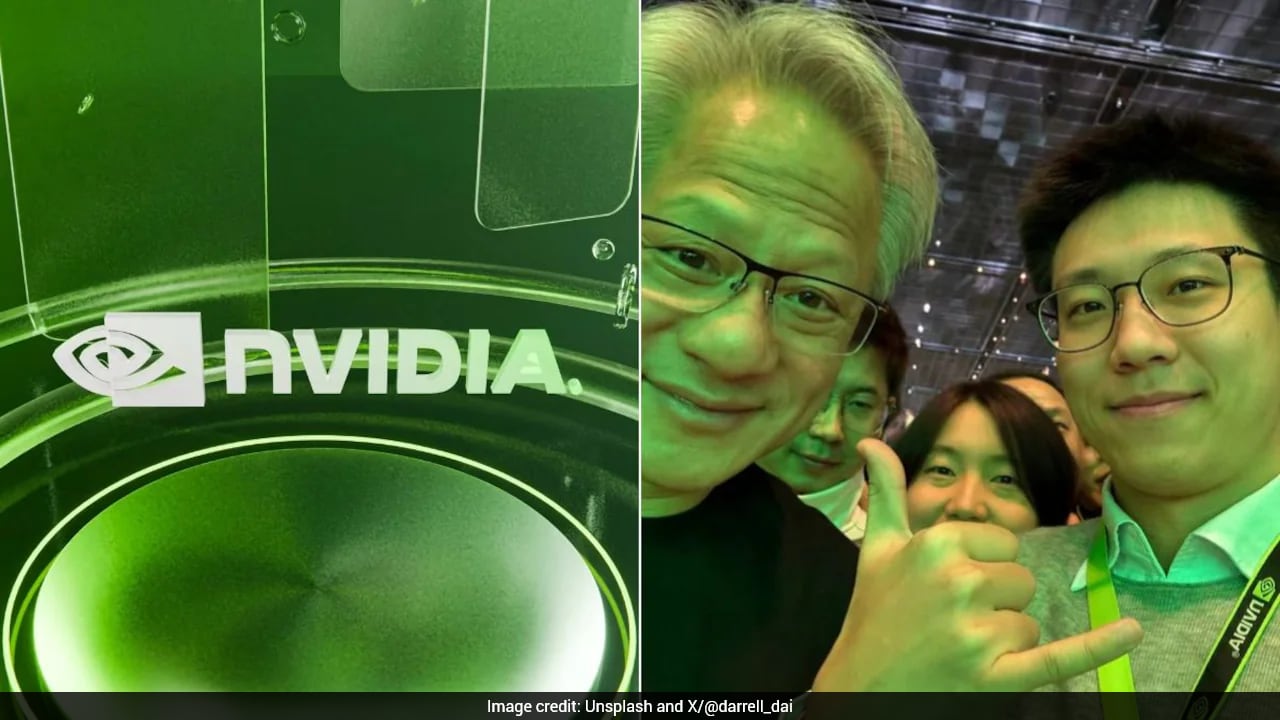
When Darrell Dai quit Nvidia in mid-November 2026, he didn't write a cold corporate goodbye. He posted a raw note saying he was leaving with sadness and gratitude after Jensen Huang's resignation.
Eleven days later, Huang was back as CEO. And Dai admitted he might have moved too quickly.
If you've worked on a high-stakes engineering team, that sequence feels painfully familiar. A founder leaves in a storm, morale fractures overnight, employees make big life choices based on a snapshot in time, and then the script flips again. Anyone reading a quick headline about an Nvidia robotics engineer quitting over Huang's exit misses the bigger story underneath. This wasn't just a viral resignation post. It was a stress test of founder-led culture, top-down decision-making, and what happens to rank-and-file engineers when boardroom politics collide with national security scrutiny.
Why Darrell Dai Left and Why the Timing Stung
Dai, a robotics research engineer based in Shanghai, announced his departure around November 14–15, 2026, shortly after Nvidia's board accepted Huang's resignation following personal misconduct disclosures and scrutiny tied to potential national security concerns involving China. In his public note, Dai made a careful distinction. He said he didn't have all the facts around the allegations, couldn't prejudge the investigation, and didn't put Huang above scrutiny.
What hurt him wasn't the existence of an inquiry. It was the feeling that builders on the ground had no voice or clarity while a decision reshaping their daily work unfolded above them.
In big tech companies, engineers often tell themselves a comforting story: we're close to the action here, our work speaks louder than politics. When a founder exits abruptly and interim leadership offers high-level reassurance—like CFO Colette Kress calling the transition "business as usual" during the November 17 earnings call—that gap between executive calm and bench-level uncertainty can feel wide. Dai wrote that the gap was more painful than he expected, and that Huang's vision and engineering culture were big reasons he had wanted to stay.
Let's be honest, though. Quitting within days of a founder's exit is a high-wire act. When emotions run hot, loyalty to a leader can blur into a rushed career move. By November 23, after Nvidia's board voted unanimously to reinstate Huang following consultations with U.S. government officials and lobbying pressure, Dai posted again. He welcomed Huang back, said he was happy for his former colleagues, and admitted he might have acted too fast—while holding off on rushing into another big choice.
The Bigger Picture Behind Nvidia's Eleven-Day Whiplash
Competitor summaries of this story often stop at the human-interest angle: engineer quits over boss, boss returns, engineer wonders if he jumped the gun. That leaves out the structural drama that made those two weeks so chaotic.
First, look at the numbers around Nvidia's business. In its fiscal third quarter, Nvidia reported overall revenue jumping 103% year over year to $115.8 billion, while edge computing revenue rose 42% to $8.2 billion—a bucket that groups robotics with gaming and other segments without breaking out robotics alone. Meanwhile, robotics and physical AI partnerships kept moving forward, including LG Chairman Koo Kwang-mo advancing an Nvidia robotics factory push in Tennessee. Engineers like Dai weren't working on a side hobby. They were building inside one of the most consequential compute and robotics engines on earth.
Second, look at how governance and politics collided. Huang resigned on November 11 amid revelations of an affair with Megaspeed executive Alice Huang and national security scrutiny over chip routing concerns involving China. Nvidia's stock tumbled more than 10% initially, board chair Harvey Jones said on November 17 that the board did not intend to reinstate him, and then—after President Donald Trump intervened ahead of a Sunday board meeting and stated he had received assurances regarding national security risks—the board reversed course and brought Huang back on November 22–23 alongside plans for a new Chief Compliance Officer role.
Here's where people get confused. Some assume a board reinstatement means the controversy simply vanished. Not quite. According to Nvidia's own reinstatement announcements and reporting from outlets like The Guardian, The Robot Report, and Observer, government inquiries and compliance changes remain part of the backdrop. Even tech leaders split in their reaction—some like Elon Musk and Sam Altman cheered the return, while others stayed quiet or questioned the optics.
What Founder-Led Engineering Cultures Get Right—and Where They Trip
From years of watching engineering organizations scale, I've seen both sides of this coin. Founder-led companies often feel electric because the person who shaped the technical DNA is still walking the halls, pushing hard on architecture, speed, and risk-taking. Dai specifically pointed to how Huang fostered exploration, learning from mistakes, and connection with engineers even at massive scale.
The catch? When a single founder becomes the emotional center of gravity, leadership transitions stop feeling like normal corporate governance and start feeling like an existential crisis.
Three mistakes show up again and again during moments like this:
- Confusing personal admiration with organizational certainty: A charismatic founder inspires loyalty, yet no single executive can freeze regulatory, geopolitical, or board dynamics forever.
- Treating silence as neutrality: When leadership gives minimal context during an investigation or transition, smart engineers fill the vacuum with worry about roadmap shifts, team cuts, or cultural drift.
- Making irreversible career moves in the first 72 hours: Resigning out of frustration or solidarity feels decisive in the moment, but boards, investors, and political pressures can reverse course faster than HR paperwork settles.
That last point is worth sitting with. Dai's second post wasn't a brag or a demand for special treatment—it was a sober check-in on pacing yourself when the ground shifts beneath your feet. Sometimes taking a breath before signing a resignation letter saves you from second-guessing a career you genuinely cared about.
Practical Steps If Your Company Hits Leadership Turmoil
You don't have to work at Nvidia in Shanghai to face a sudden C-suite shakeup, board reversal, or public scandal at your employer. If leadership turbulence hits your team, take a few grounded steps before you act:
- Wait out the first wave of noise: Give major announcements at least a week or two before making permanent career moves. Boards, regulators, and executives often revise messaging once initial shock passes.
- Separate the mission from the org chart: Ask yourself whether you like the technical problem, your immediate teammates, and what you're learning—or whether you're only there because of one person at the top.
- Talk to your direct manager and trusted peers: Get clarity on your actual project roadmap, budget, and day-to-day priorities rather than relying on rumors or social media speculation.
- Keep your options warm quietly: Update your portfolio, notes, and network without burning bridges—so if you do leave later, it's a calculated choice rather than a reaction.