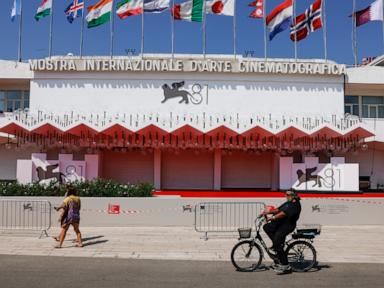
Salt. That is what you taste first when the vaporetto cuts across the lagoon toward the Lido. It coats your tongue, mixing with the diesel fumes of the water buses and the strange, electric anticipation that settles over Venice every late August. For ten days, this long, narrow sandbar transforms from a quiet Italian beach retreat into the trembling center of the cinematic universe.
The air smells of espresso, expensive perfume, and old salt.
If you have ever stood on the damp pavement outside the Palazzo del Cinema just as the blue hour bleeds into night, you know the sound. It is not silence. It is a low, collective thrum—the murmurs of fans pressed against velvet ropes, the rhythmic clatter of camera shutters firing like dry lightning, the sharp shouts of red-carpet photographers trying to catch the eyes of actors who have barely slept in forty-eight hours.
Midnight screenings here are entirely different from anywhere else on Earth.
Consider what happens when a movie star steps out of a water taxi. The cameras flash, turning the dark water into a strobe of silver and black. But look closer past the flashbulbs. Look at the eyes. There is exhaustion there, yes, but also a raw, exposed vulnerability. At the Venice Film Festival, the oldest continuously running film festival in the world, the glamour is merely the architecture. The interior is something else entirely. It is a crucible.
This year, the festival is doing what it has always done best: gathering the bruised, the brilliant, and the daring. Movie stars arrive straight from grueling press tours, carrying the weight of massive studio expectations. Timely documentaries arrive carrying the actual, messy weight of a burning planet, political upheaval, and human suffering. And awards hopefuls walk these historic stones knowing that a single screening in the Sala Grande can either crown their careers or quietly sink millions of dollars of artistic ambition into the Adriatic.
We tend to look at film festivals through the frosted glass of Instagram reels and glossy magazine spreads. We see the gowns. We see the standing ovations that stretch past the six-minute, ten-minute, twelve-minute marks, actors visibly fighting back tears as the applause washes over them like waves.
It is easy to become cynical about it. A bunch of wealthy people patting each other on the back in a sinking city.
That cynicism vanishes the moment you sit down in the dark.
The lights go down. The heavy red velvet curtains part. And suddenly, you are inside someone else's mind, sharing their grief, their joy, their madness. That is the quiet magic of the Venice Film Festival. It forces the frantic, hyper-connected modern world to sit still in the dark for two hours and pay attention to a shared human story.
This edition of the festival is particularly fascinating because of the tightrope walk it performs between escapism and harsh reality. On one screen, you have high-budget fiction featuring A-list actors designed to dazzle the senses and pull you entirely out of your daily life. Just around the corner, in a smaller, darker screening room, a documentary plays to a packed, dead-silent house. It captures the jagged edges of contemporary history—refugee crises, climate degradation, the quiet erosion of democracy.
There is no whip-pan transition between these two worlds. You simply walk out of a fantasy and into the gritty truth of the globe in the span of a three-minute stroll across the piazza.
This juxtaposition is jarring. It is also completely necessary.
Art does not exist in a vacuum, least of all on an island shaped like a fishbone resting between the Venetian lagoon and the open sea. Venice itself is a living metaphor for the fragility of human endeavor. The water rises every winter, threatening the foundations of palaces built centuries ago. The city is sinking, millimeter by millimeter, yet people keep painting, building, filming, and gathering.
When a director brings a deeply personal, harrowing documentary to this festival, they are bringing it to a city that understands what it means to live on borrowed time.
The competition for the Golden Lion is fierce, though the trophy itself—a magnificent winged lion crafted in gleaming gold—feels almost secondary to the psychological release valve the festival provides. For months, these films have been locked in editing rooms, subjected to studio notes, focus groups, and financial anxieties. Here, they finally meet the audience.
And audiences here do not whisper their opinions. If they hate a film, they hiss. If they love it, they roar.
There is an old filmmaker who once told me over a warm spritz at a crumbling café near the canal that a festival premiere is like throwing your child into a pool to see if they can swim. He was smoking a cigarette, his fingers stained with ink and nicotine, his eyes bloodshot from three straight days of viewings. He had spent four years making a film about a dying industrial town in Eastern Europe—a quiet, devastating black-and-white piece that no major streaming service wanted to touch.
"If they stay," he said, gesturing toward the cinema doors, "you exist. If they walk out, you are a ghost."
He stayed. They stayed, too. All the way through the credits.
That is what is happening right now on the Lido. Beneath the red carpets and the industry trades reporting on distribution rights and Oscar buzz, hundreds of ghosts are trying to become real. Actors who took massive pay-cuts to star in risky indie projects are holding their breath. Documentarians who risked their safety to film in war zones are watching strangers wipe tears from their cheeks in the dark.
By the time the awards are handed out and the glitter is swept from the stone walkways, the cargo boats will carry the crates of film reels back to the mainland. The stars will board private jets back to Los Angeles, London, and Paris. The fans will pack their bags, leaving the Lido to the locals and the pigeons.
But something will have shifted.
The stories screened in those damp, historic theaters will bleed out into the wider world over the coming months. They will shape conversations at dinner tables, influence elections, comfort lonely people sitting in suburban multiplexes, and remind us of what it feels like to walk in someone else's shoes for a few stolen hours.
The water laps against the wooden pylons outside the grand hotels. A distant church bell tolls across the lagoon. The projectors hum, cool down, and wait for tomorrow's dawn.