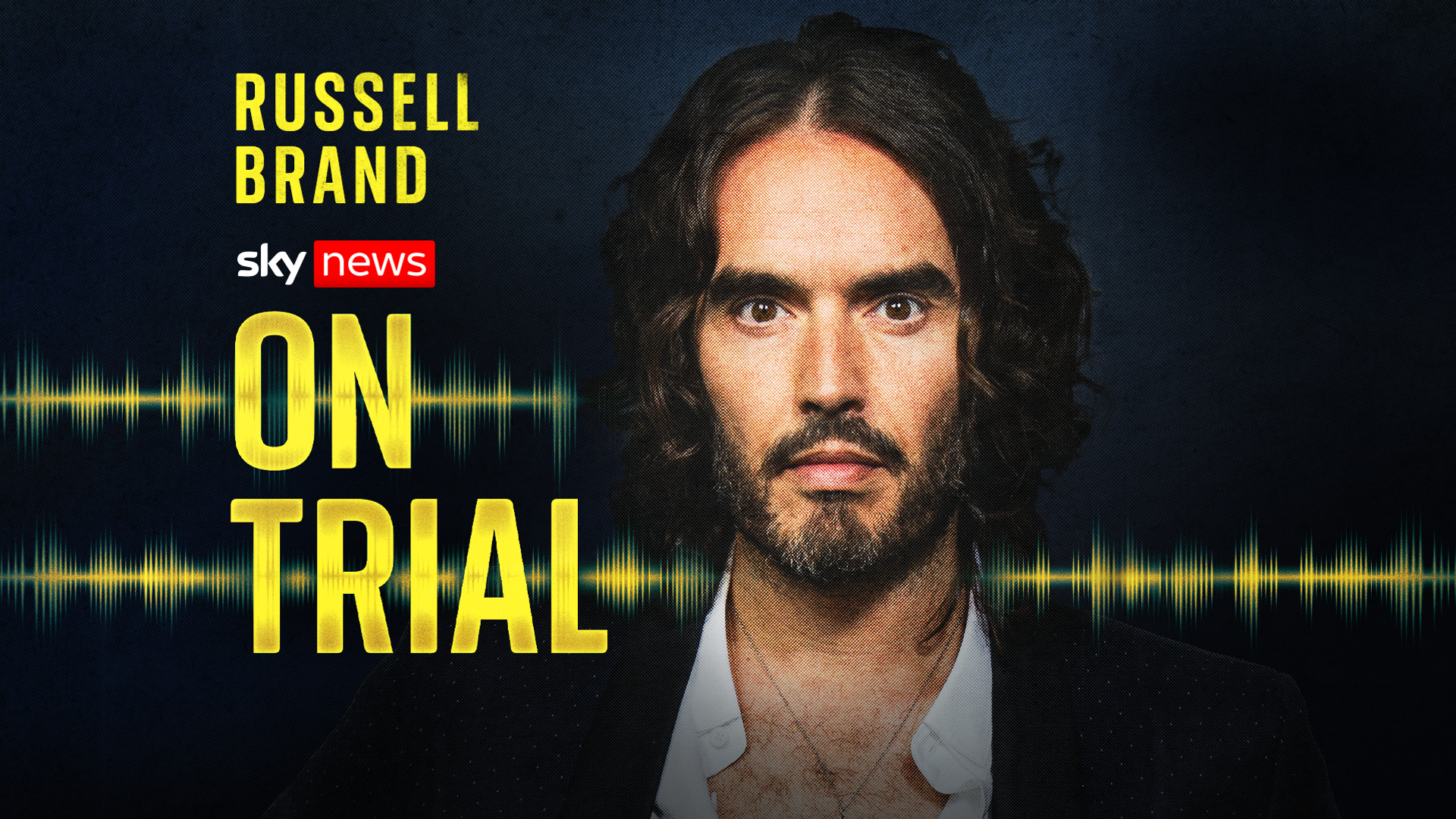
Sensational quotes make terrible legal analysis. A jury hears a dramatic line from a witness box. A media outlet spins it into a serialized cliffhanger. Everyone clicks. Almost nobody learns how criminal trials actually work.
When coverage frames a trial like a five-part streaming drama, it distorts the reality of how evidence is tested, how juries weigh credibility, and what "beyond reasonable doubt" demands in practice. Headlines built around a single startling remark—like "What are you doing? I've literally just met you" in an alleged Soho bar assault trial—pull readers into the loudest moment in the room while ignoring the quiet mechanics that decide verdicts.
I have spent years watching legal commentary and public debate treat courtroom testimony like scripted television. Outlets rush to summarize daily snippets as if each episode reveals a clean plot twist. That approach sells attention. It also trains the public to read trials backwards, mistaking theatrical phrasing for proof or exoneration.
The Lazy Consensus Around Viral Trial Quotes
The lazy consensus goes something like this: a dramatic sentence surfaces in court, so that sentence must be the turning point of the case. If a witness recalls pushing someone away or saying they had only just met, commentators treat those words like a smoking gun. If a defense lawyer points out an inconsistency in timing or memory, commentators treat that as a fatal collapse.
Both instincts are flawed. Real trials rarely turn on a single quote read in isolation. A jury listens to days or weeks of testimony, cross-examination, digital records, CCTV where available, medical or forensic context, and judicial directions. A single line spoken under stress—or recalled years later in a noisy bar—carries context that a punchy headline strips away.
There is a deeper error in episodic trial coverage. Serialized reporting encourages viewers to score each day like a boxing round. Day one goes to the prosecution. Day two goes to the defense. By Episode 5, the audience feels like an expert juror even though they have only seen filtered summaries of selected moments.
Criminal procedure does not work like a scorecard. The prosecution carries the burden of proof from start to finish. Even a compelling quote in a headline does not automatically satisfy the legal standard required for a conviction, nor does a sharp cross-examination question automatically erase other evidence in the record.
What Trial Coverage Misses About Memory and Credibility
To understand why episodic reporting misleads people, you have to separate admissibility, credibility, and weight. Lawyers and legal scholars use those terms for distinct jobs, even though casual commentary blends them together.
- Admissibility asks whether a piece of testimony or evidence is legally allowed before the jury at all.
- Credibility asks whether a witness appears honest, reliable, and accurate in what they say.
- Weight asks how much influence a fact-finder gives that testimony when deciding whether an element of an offense is proven beyond reasonable doubt.
A quote can be admissible and sincerely believed by the witness, yet carry different weight depending on lighting, alcohol consumption, noise, emotion, and passage of time. Human memory is reconstructive, not a video recording. Decades of cognitive psychology research—including foundational work by Elizabeth Loftus on memory distortion and eyewitness recall—show that stress, distraction, and post-event information shape how people retrieve details.
Recognizing that memory is reconstructive does not mean dismissing a witness. It means evaluating testimony with precision rather than melodrama. A witness can get a minor sequence slightly muddled while telling the truth about the core event, or a witness can sound confident while being mistaken about a detail. Juries are asked to navigate those exact tensions without the luxury of a neat narrative arc.
Imagine a scenario where two people are in a crowded bar with loud music, dim lighting, and fast-moving conversations. Someone recalls a sharp exchange and a sudden physical boundary being crossed. Weeks or months later, police interviews and trial preparation happen long after the night blurs together. In court, both sides scrutinize every word. The headline quotes the sharpest line; the jury has to decide what actually happened and what the law requires them to conclude from the whole picture.
The Wrong Questions People Ask About High-Profile Trials
When a trial hits the news cycle, people tend to ask the wrong questions first. They ask, "Who looked better on the stand today?" or "Did that one line prove guilt?" or "Why did the defense bring that up?"
Those questions chase spectacle instead of structure. A better question is: What specific legal elements must the prosecution prove, and how does each piece of evidence connect to those elements? In sexual offense prosecutions, questions around consent, reasonable belief in consent, force or coercion, and credibility are governed by strict statutory definitions and judicial instructions—not by social media reaction or clever soundbites.
Another common "People Also Ask" question is whether a single dramatic quote in testimony can make or break a case. Brutally honest answer: rarely on its own. A memorable line helps journalists write a clickable headline and helps lawyers frame a theme, but juries are instructed to consider the totality of the evidence. Over-relying on one quote—whether to declare guilt early or to claim the case is falling apart—misses how deliberation actually works.
People also ask why court reporting often feels fragmented or repetitive. Because courts move in bursts of legal argument, brief adjournments, and witness examination, daily summaries naturally look choppy. The mistake is pretending a choppy summary equals the full record.
A Smarter Way to Read Trial Reporting
If you follow court cases—whether in London's Soho or anywhere else—change how you consume the coverage. Stop treating each dispatch like a plot reveal.
- Read past the pull quote. Look for what the witness actually said on cross-examination, not just the dramatic sentence highlighted at the top of the story.
- Separate fact from characterization. Notice the difference between what a witness testified occurred and how a reporter or lawyer characterizes the motive or meaning.
- Watch for missing context. Ask what hasn't been heard yet—later witnesses, agreed facts, or legal instructions—before forming a firm verdict.
- Respect the burden of proof. Remember that skepticism toward sensational headlines is not the same as dismissing a complainant; careful analysis can hold room for both seriousness and rigor.
There is a real downside to this slower, more disciplined approach. It is less exciting. It does not give you the instant certainty of picking a side in Episode 5. It takes patience, and it forces you to sit with ambiguity while evidence is still unfolding.
I have watched plenty of pundits burn credibility by declaring a case "over" after a single day of testimony, only to walk it back days or weeks later when more context emerged. Restraint looks boring in the moment. Over time, it is the only habit that keeps you from being played by the headline cycle.
The courtroom is not a stage built for your afternoon entertainment. Judge the evidence, not the cliffhanger.