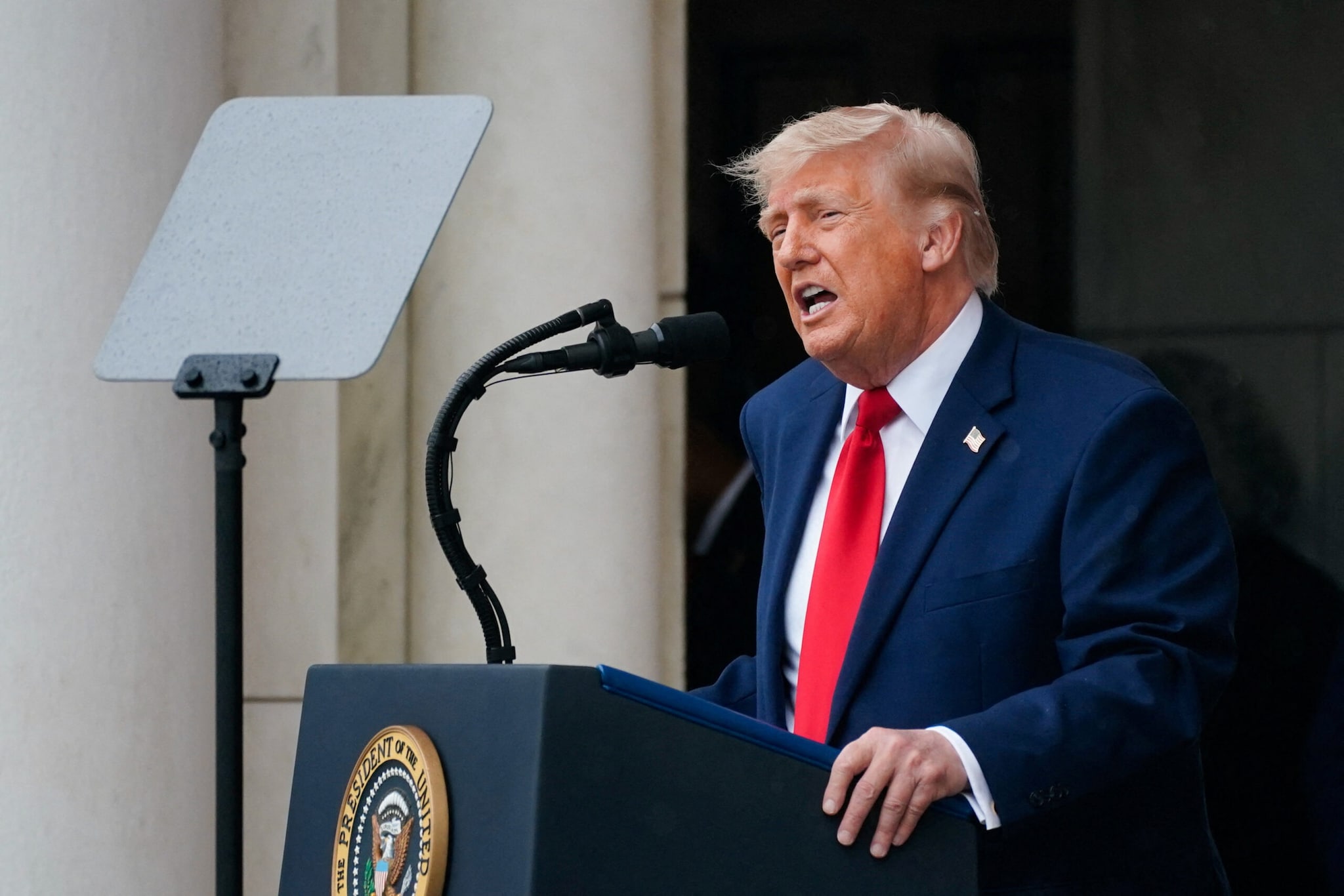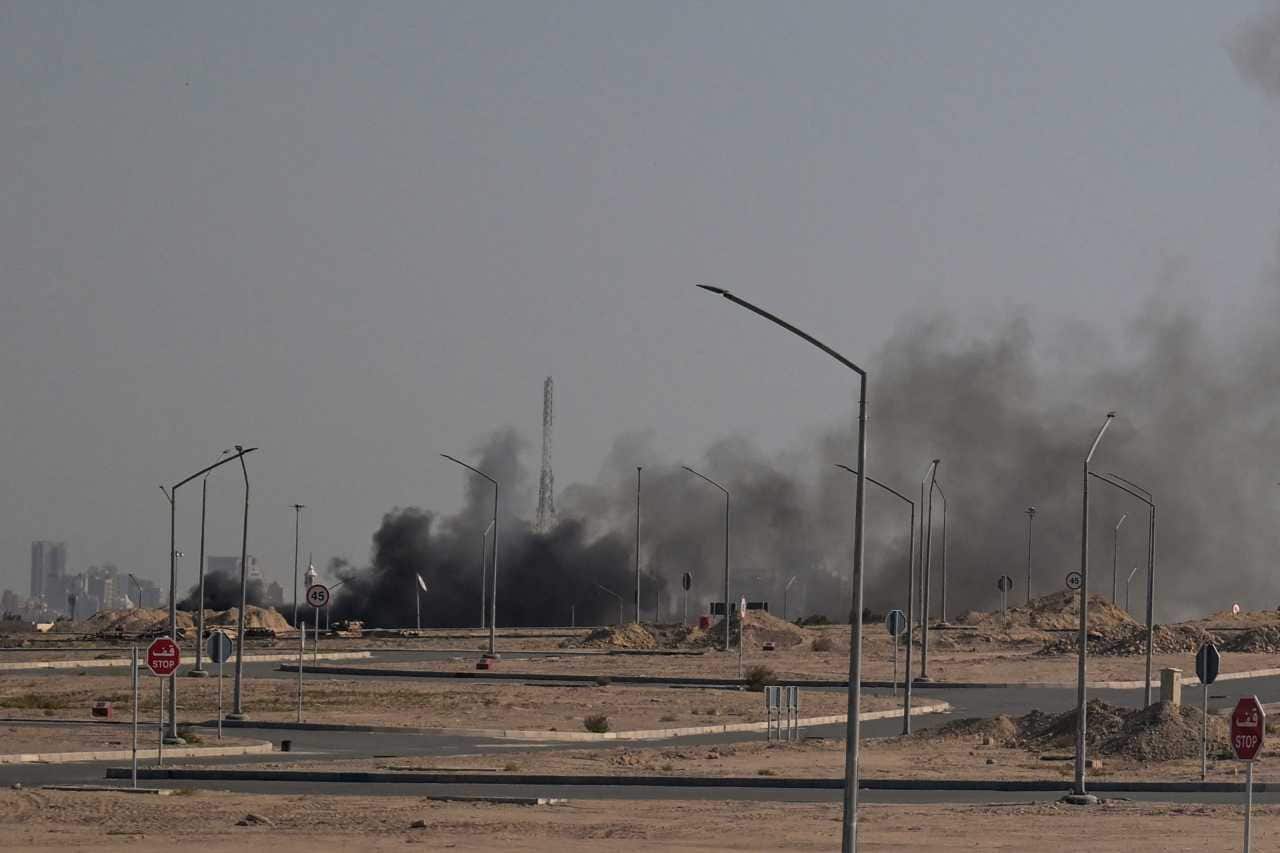
Politicians love a script. When a horrific crime occurs, followed by public outrage that boils over into the streets, the executive response is entirely predictable. A minister stands behind a podium, expresses deep sorrow for the victim, and immediately pivots to "condemning the violence in the strongest possible terms." It is a boilerplate strategy designed to project control.
It is also entirely useless.
The lazy consensus dominating the media coverage of public unrest following high-profile crimes is simple: protests are an unmitigated distraction from justice, driven entirely by bad actors, and easily solved by stricter policing. This view treats civil unrest as an isolated outbreak of lawlessness rather than what it actually is: a systemic failure of institutional trust. Condemning the symptoms of a broken system while ignoring the pathology that caused it is not leadership. It is public relations.
To understand why the standard political response fails, we have to look at the anatomy of these flashpoints. Public anger does not materialize in a vacuum. It happens when citizens lose faith in the state's primary contract: the promise of basic safety and swift, transparent justice.
The Illusion of Order
When a government official demands an immediate end to unrest without addressing the underlying grievance, they are operating on a flawed premise. They assume the anger is irrational.
Decades of analyzing public policy and institutional crises show a different pattern. Outrage is highly rational; it is the channel that is chaotic. When a community perceives that the justice system is slow, opaque, or structurally indifferent to certain types of crime, the traditional channels of grievance break down.
Consider the standard narrative. The public is told to "let the police do their job" and "trust the legal process." But trust is earned, not mandated by ministerial decree. If a community has spent years watching local crime go unpunished or witnessing systemic delays in the courts, advising patience during a crisis feels less like reassurance and more like gaslighting.
- The Ministerial Fallacy: Believing that top-down condemnation restores peace. It usually does the opposite, alienating the moderate public who share the anger but not the tactics.
- The Enforcement Trap: Flooding the streets with riot police treats the riot, not the trigger. It creates a visual escalation that feeds the cycle of confrontation.
Imagine a scenario where a corporation repeatedly spills toxic waste into a local river. For years, residents file complaints, attend council meetings, and sign petitions. Nothing changes. One day, a massive spill poisons the local water supply, and an angry crowd blockades the factory gates, smashing a few windows. If the CEO's only response is to condemn the property damage while ignoring the poisoned water, the public instantly recognizes the hypocrisy. Yet, when the state does the exact same thing during a social crisis, the commentariat nods in agreement.
Deconstructing the Public Safety Monopoly
The state claims a monopoly on safety and justice. When it fails to deliver the former, it loses the moral authority to dictate the terms of the latter.
Let's look at the actual mechanics of institutional collapse. Academic research into crowd psychology and civil unrest, such as the work pioneered by social scientists studying urban flashpoints, consistently demonstrates that policing tactics heavily influence whether a crowd remains peaceful or turns violent. When authority figures use sweeping, blanket condemnation, they aggregate peaceful grievers with actual rioters. This tactical error unifies the crowd against the police, expanding the conflict.
The hard truth nobody wants to admit is that temporary disorder is often the only mechanism that forces institutional self-reflection. Without the pressure of public disruption, systemic failures are routinely swept under the bureaucratic rug. This is not a defense of violence; it is an acknowledgment of political reality.
If we look at the history of legal reform, major shifts in accountability rarely happen because a committee met in a quiet room. They happen because the status quo became untenable.
| Political Action | Intended Outcome | Actual Result |
|---|---|---|
| Blanket Condemation | Restore calm and order | Deepens resentment, alienates the community |
| Aggressive Riot Policing | Disperse the crowd | Escalates tension, unifies fractured groups |
| Bureaucratic Silence | Allow the process to work | Creates a vacuum filled by rumor and panic |
The Failure of the Standard Explanations
The standard "People Also Ask" entries regarding public unrest usually look like this: Why do peaceful protests turn violent? or How should governments respond to civil rioting? The answers provided by mainstream talking heads are fundamentally flawed because they ask the wrong questions. They treat the unrest as the starting point of the timeline. They ask how to stop the riot, rather than asking why the state allowed the conditions for the riot to ferment over a decade.
The brutal answer to why protests turn volatile is that institutional silence creates a vacuum. When official channels offer nothing but generic platitudes and bureaucratic delays, information warfare takes over. Speculation fills the void. Trust evaporates completely. The violence that follows is a chaotic, counter-productive manifestation of powerlessness.
Fixing this requires a complete departure from the standard playbook.
- Acknowledge the Institutional Failure First: Before a single word is muttered about the behavior on the streets, the state must explicitly address the failure that led to the tragedy. If the system slipped up, admit it immediately. Transparency defuses tension faster than a shield wall.
- Decentralize the Response: Stop sending national ministers who have no skin in the game to read pre-written statements. Put the local decision-makers, the people who actually know the community, at the forefront.
- Establish Immediate, Independent Oversight: The public will not trust an internal investigation conducted by the very institutions they believe failed them. Create an immediate, visible, independent pipeline for justice that the community can verify in real-time.
This approach has distinct downsides. It requires political figures to swallow their pride, accept blame, and cede control. It exposes vulnerabilities in the system that governance professionals prefer to hide. It is risky, it is uncomfortable, and it invites immediate political opportunism from the opposition.
But the alternative is the world we currently inhabit: a cycle of tragedy, predictable outrage, useless ministerial condemnation, temporary suppression, and a deeper, more permanent rot in the social fabric.
Stop demanding that people grieve quietly when they believe the mechanisms of justice are broken. If the goal is genuine stability, fix the machinery of the state so the public doesn't feel the need to tear down the fences just to be heard. Turn off the microphones, cancel the press briefings, and fix the broken system.